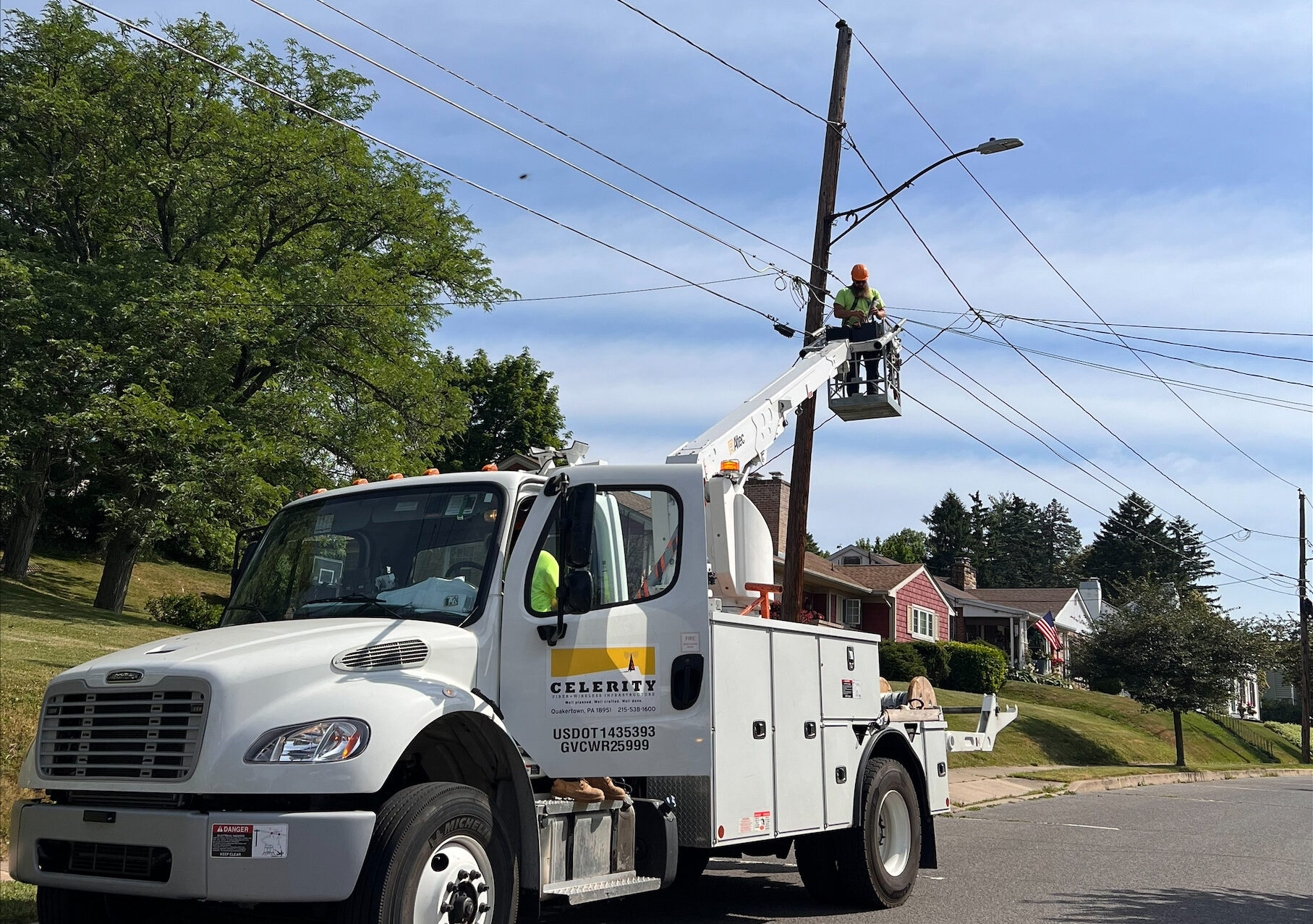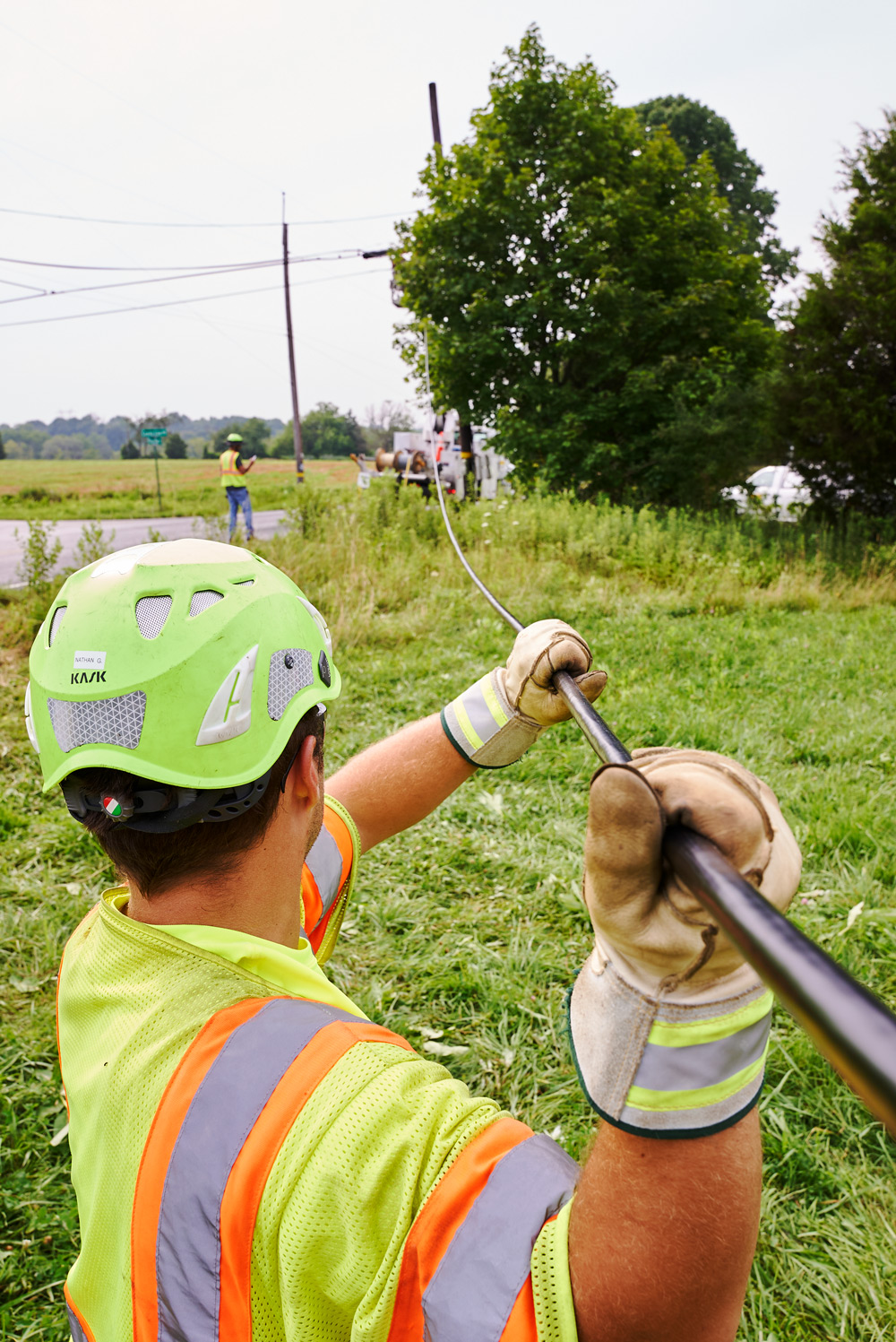
When Lehigh University approached Celerity Integrated Services with an ambitious vision to connect three separate campuses with a world-class fiber optic network, the stakes were high. The project needed to deliver not just connectivity, but redundancy, capacity, and reliability for one of Pennsylvania's most prestigious research institutions.
In an industry where only 8.5% of construction projects finish both on time and on budget according to Elevate Construction's 2024 analysis, successful project completion is the exception, not the rule. Yet Celerity managed to beat those odds, delivering a year-long fiber deployment that met every deadline and stayed within financial constraints.
This project completion spotlight reveals how strategic planning, collaborative execution, and unwavering commitment to safety transformed a complex infrastructure challenge into a model for telecom project success. For those following Celerity News and Telecom Industry Updates, this case study offers valuable insights into what separates successful fiber deployments from the 91.5% that miss their targets.
The Challenge: More Than Just Digging Trenches
Lehigh University's existing network infrastructure had reached its limits. Fiber runs between the Goodman, Asa Packer, and Mountain Top campuses existed, but network capacity was constrained and aerial cables along densely wooded areas left the system vulnerable to environmental damage. Falling trees, rodent damage, and traffic accidents posed constant threats to network uptime.
The university needed a solution that would accomplish three critical objectives. First, significantly increase network capacity to support their Data X initiative for enhanced academic and research capabilities. Second, create true redundancy to protect invaluable data from factors beyond the school's control. Third, minimize future maintenance headaches by moving infrastructure underground.
But here's where the project got interesting. Lehigh University sits perched atop South Mountain in the Lehigh Valley, an aesthetically stunning location that presented the project's biggest obstacle. The steep terrain and extremely rocky soil conditions would test even the most experienced construction teams. What looked straightforward on paper became a masterclass in adaptive project management once boots hit the ground.
According to the Fiber Broadband Association's 2024 Fiber Deployment Cost Annual Report, underground deployment costs have risen significantly due to increased labor and material expenses, with terrain type being one of the most significant cost variables. Celerity's team knew they'd need to stay nimble.
Strategic Planning: The Foundation of Success
Before a single shovel broke ground, Celerity and Lehigh University's technical consultant, TeraNet, invested substantial time in collaborative planning. This wasn't just about drawing lines on a map. The team needed to design a network architecture that would serve the university for decades.
The solution centered on diverse pathway routing and high-capacity 288-count fiber optic cable buried between campuses. By moving underground, the network would be insulated from the environmental factors that plagued the existing aerial plant. This decision alone would dramatically reduce future maintenance calls and network outages.
But planning extended beyond technical specifications. The team developed detailed working schedules that minimized impact on student life and campus operations. Construction activities were strategically timed for off-hours and weekends when possible. Pedestrian and commuter traffic plans included road closures, sidewalk closures, and safety fence placement to protect everyone on campus.
This level of planning reflects broader Telecom Industry Updates showing that successful fiber deployments require as much attention to stakeholder management as to technical execution. In our work with clients across the Mid-Atlantic region, we've seen firsthand how proper pre-construction planning can mean the difference between project success and costly delays.
Execution: Adapting to Reality on the Ground
When construction began, Celerity's team quickly encountered the realities of South Mountain's geology. The rocky soil conditions were even more challenging than anticipated, threatening to push the project off schedule and over budget. This is where experience and adaptability became crucial.
Rather than stubbornly sticking to the original plan, the team made strategic adjustments. Larger construction equipment was brought in to handle the difficult terrain more efficiently. Design modifications were developed and executed in the field, allowing work to continue without lengthy delays for formal change orders. This agile approach kept the project moving forward even when conditions weren't ideal.
Safety remained paramount throughout the year-long construction process. Open excavated trenches and affected areas were restored or temporarily covered at the completion of each workday. The team maintained constant awareness of student, faculty, and staff movement around work zones. The result? Zero injuries, safety incidents, or accidents during the entire project.
The fiber optic splicing and testing phases required precision and expertise. Each connection needed to meet strict performance standards to ensure the network would deliver the capacity and reliability Lehigh required. Celerity's certified technicians methodically worked through hundreds of splice points, documenting every connection and test result for the university's records.
The Outcome: Delivering on Every Promise
After 12 months of careful execution, the project reached successful completion within schedule and on budget. This achievement places Celerity's work in rare company. While the average construction project exceeds budget by 65% according to research analyzing over 16,000 projects, Lehigh University received exactly what it paid for, when they expected it.
The new network infrastructure delivered immediate and long-term benefits. Network capacity increased dramatically, supporting Lehigh's Data X initiative to achieve enhanced capabilities for academics and research. The redundant pathways significantly reduced the possibility of network outages, protecting critical data and ensuring continuous connectivity.
By moving infrastructure underground through underground construction techniques, the university eliminated vulnerability to falling trees, weather events, and vehicle accidents that had plagued the aerial system. Maintenance requirements dropped substantially, freeing IT staff to focus on innovation rather than emergency repairs.
For students, faculty, and staff, the impact was transformative. Faster, more reliable connectivity enabled new research possibilities, enhanced online learning experiences, and supported the growing bandwidth demands of modern academic life. The network positioned Lehigh to compete with any institution in the country for attracting top talent and research funding.
Lessons Learned: What Made This Project Succeed
Several factors contributed to this project's success, offering valuable insights for other institutions and organizations planning major fiber deployments. First, collaborative planning between Celerity, Lehigh University, and technical consultant TeraNet created alignment from day one. Everyone understood the goals, constraints, and success criteria before construction began.
Second, flexibility in execution allowed the team to adapt to challenging field conditions without derailing the schedule or budget. Rather than treating the plan as sacred, the team viewed it as a living document that could evolve based on reality. This pragmatic approach prevented small obstacles from becoming major problems.
Third, unwavering commitment to safety created a culture where everyone looked out for each other. In an environment with students, faculty, and construction workers sharing space, this vigilance prevented accidents that could have had tragic consequences and legal ramifications.
Fourth, meticulous network documentation throughout the project provided Lehigh with comprehensive records of their new network infrastructure. This documentation will prove invaluable for future maintenance, expansions, and troubleshooting. It's the kind of attention to detail that separates good contractors from great ones.
Looking Forward: Building on Success
The Lehigh University project represents more than just one successful fiber deployment. It established a template that Celerity continues to refine and apply across projects throughout the Mid-Atlantic region. As fiber deployment continues to expand across the United States, the industry needs more success stories like this one. Universities, municipalities, utilities, and private organizations all face similar challenges when upgrading their network infrastructure. They need partners who can navigate complex terrain, manage stakeholder expectations, adapt to changing conditions, and deliver results.
Bandwidth demands grow exponentially as new technologies emerge. Network redundancy becomes increasingly critical as organizations depend on connectivity for core operations. The infrastructure decisions made today will impact performance and capabilities for decades to come.
That's why choosing the right partner for fiber deployment projects matters so much. Technical expertise is essential, but it's not sufficient. Successful projects require project management skills, safety culture, collaborative mindset, and commitment to delivering on promises. These intangible factors often make the difference between projects that succeed and those that become cautionary tales.
Excellence as Standard Practice
The Lehigh University fiber optic network project demonstrates what's possible when experienced professionals bring the right combination of skills, attitude, and commitment to a complex infrastructure challenge. Completing a year-long project on time, on budget, and with zero safety incidents isn't luck. It's the result of deliberate choices and disciplined execution.
For Celerity Integrated Services, this project reinforces our core philosophy that a job worth doing is worth doing well. We take time to understand and properly plan each engagement, execute with craftsmanship, and finish with meticulous documentation that equips our customers with critical information they need.
As the telecommunications industry continues its rapid evolution, success stories like this one provide valuable lessons for everyone involved in fiber deployment. Whether you're a university administrator planning a campus network upgrade, a municipal leader exploring broadband expansion, or a utility company modernizing infrastructure, the principles remain the same.
Thorough planning, collaborative execution, adaptive problem-solving, unwavering safety focus, and commitment to delivering on promises. These aren't revolutionary concepts, but they're surprisingly rare in practice. When you find a partner who embodies these principles, you've found someone who can help you beat the odds and join the 8.5% of projects that finish on time and on budget.
The fiber optic network connecting Lehigh University's three campuses stands as testament to what's achievable when everyone involved commits to excellence. It's a project we're proud to showcase in Celerity News and one that reflects the standards we bring to every engagement. For organizations planning their next fiber deployment, we hope this case study provides both inspiration and practical insights for your own success.
About Celerity Integrated Services
Celerity Integrated Services (operating as Next Mile Technologies) provides comprehensive telecommunications infrastructure solutions throughout the Mid-Atlantic region. Our three-tier approach includes Well Planned engineering services, Well Crafted installation and construction, and Well Done maintenance and emergency response. From OSP engineering to fiber optic splicing and testing, we deliver projects on time, on budget, and with unwavering commitment to safety and quality.
Contact us to discuss your next fiber optic network project.