February 4, 2026

Construction Safety Essentials: 2026 Telecommunication Utility Guide

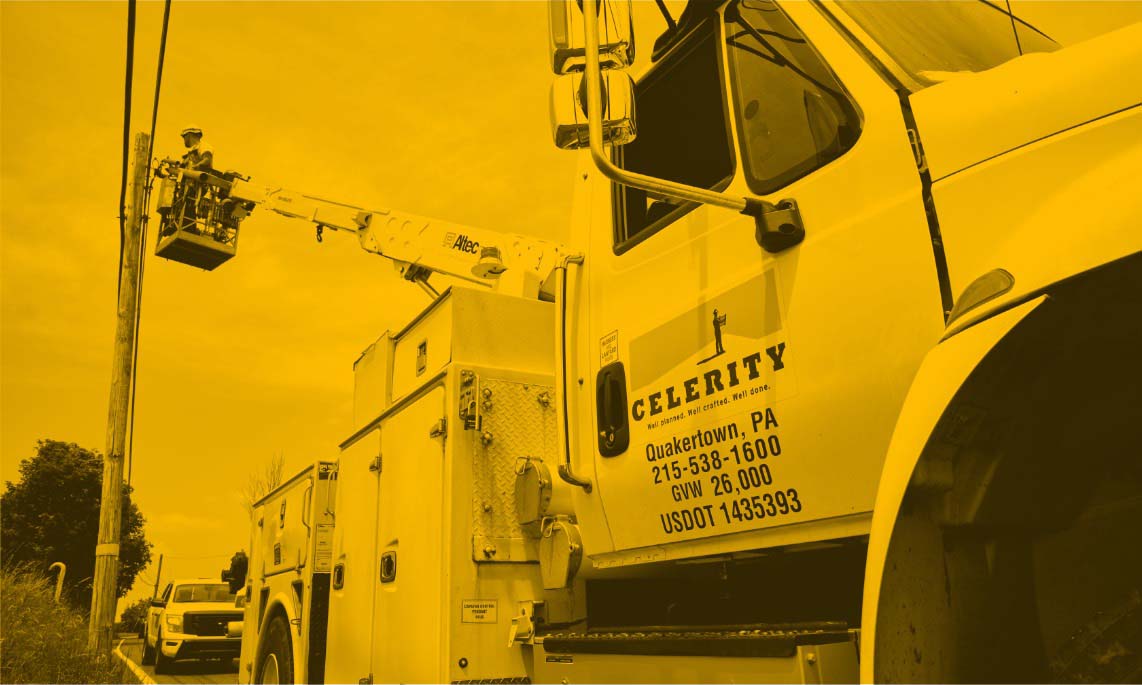
Every morning on a fiber optic or utility construction site begins with a critical question: will everyone go home safe tonight? When crews work 30 feet up on poles, trench near underground gas lines, or splice fiber in confined spaces, that question demands a real operational answer. It marks the line between a well-executed project and a preventable tragedy that can change lives permanently. 

In 2023, falls accounted for 421 of the 1,075 construction fatalities in the United States, according to OSHA data. For fiber and utility contractors, the risks multiply. Crews manage more than heights and heavy equipment. They work around live electrical lines, pressurized gas mains, and fiber optic cables that require specialized safety protocols and disciplined execution. 

This isn't another generic safety checklist. This is a field-tested guide built specifically for the unique hazards of fiber optic and utility construction in 2026. Whether teams handle aerial cable installations, directional boring projects, or emergency fiber restoration, the guidance supports a safety culture that protects both personnel and the business. 

Why Fiber and Utility Construction Demands Specialized Safety Protocols

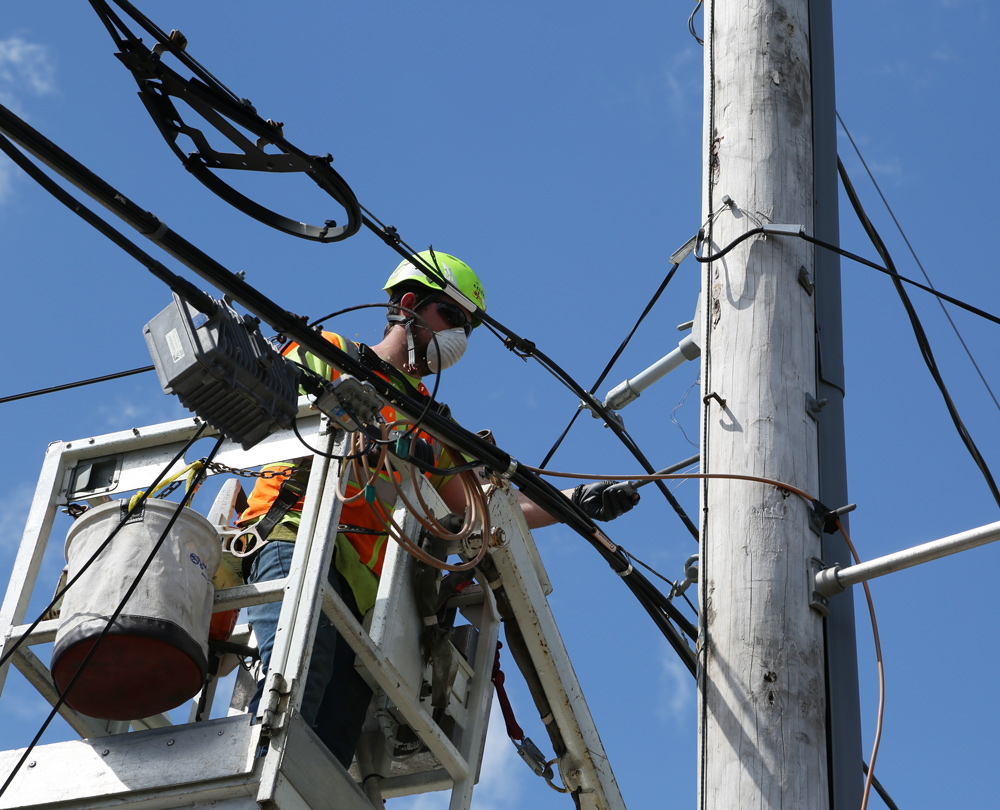
Fiber optic and utility construction operates at a high-risk intersection. Crews face standard construction hazards such as falls, struck-by incidents, and electrocution, while also managing specialized risks that many general contractors never encounter. On a typical fiber installation project, a crew may begin by climbing poles to lash cable to messenger wire, shift to directional boring near underground utilities, and end the day performing fusion splicing inside a confined vault. Each phase introduces distinct hazards and demands specific safety controls to prevent incidents. 

According to the Bureau of Labor Statistics, nearly 1 in 5 workplace deaths occur in construction, with 38.4% due to falls, slips, and trips. When you add the complexity of working around energized utilities and telecommunications infrastructure, the margin for error shrinks to zero.

Pre-Construction Planning: Safety Starts Before Breaking Ground

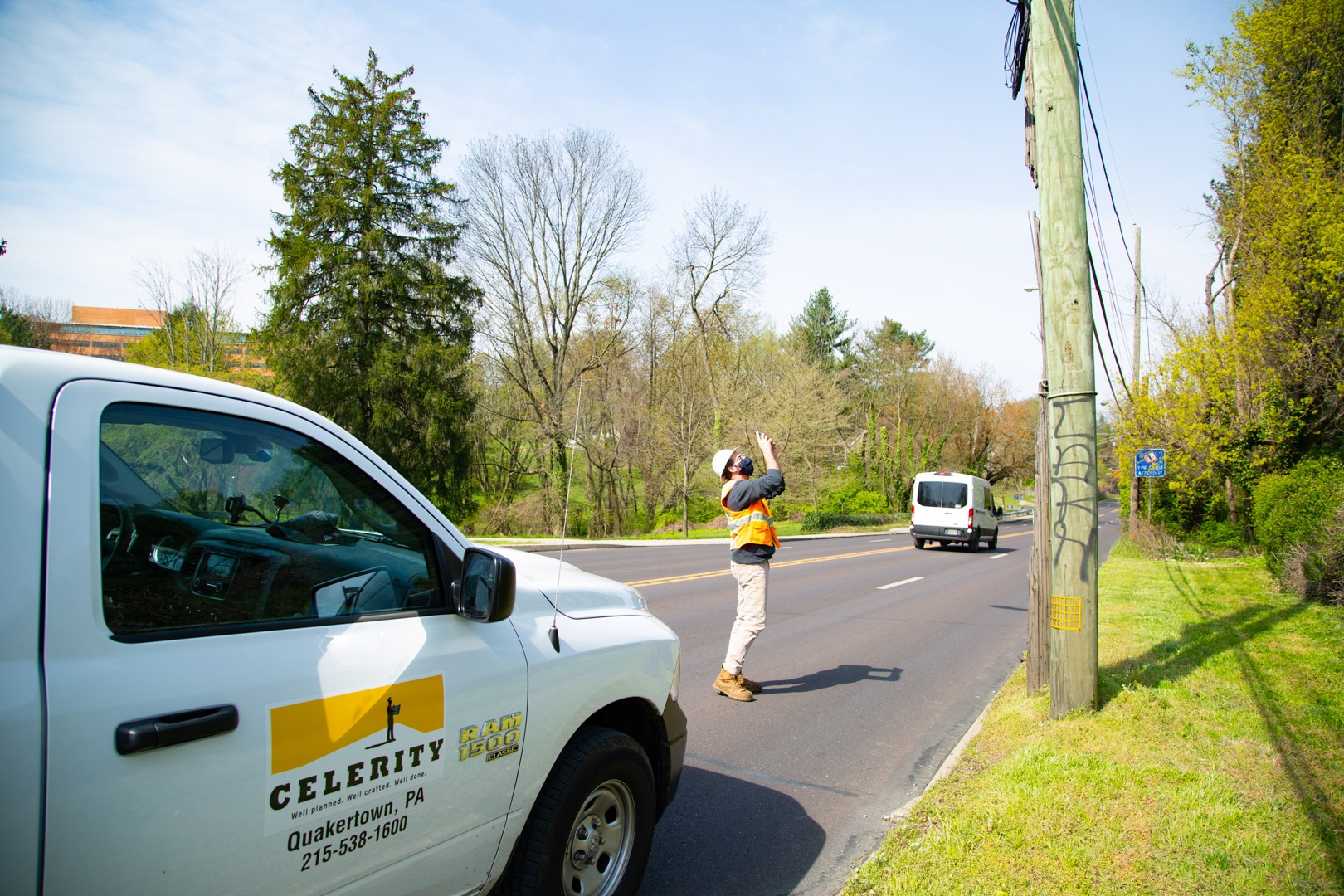
The most dangerous jobsites are the ones where safety becomes an afterthought. Before the first crew member arrives on site, these planning steps should be completed. Every year, underground utility strikes cause injuries, deaths, and millions in damages. The Common Ground Alliance reports that proper utility location prevents the majority of these incidents.

Pre-dig checklist:
  • Call 811 at least 2-3 business days before excavation
  • Document all utility locate tickets and markings
  • Photograph utility markers (gas, fiber, electric) near the work zone
  • Use private locating services for utilities not covered by 811
  • Verify locate accuracy with handheld locators before digging
  • Brief crews on the location of ALL underground utilities daily

Even with professional locates, always hand-dig or vacuum excavate within 24 inches of marked utilities. Directional boring equipment can puncture gas lines or fiber conduit without visible surface damage, which is a risk that can lead to explosions or catastrophic service outages.

Site-Specific Safety Plan Development

Generic safety plans don't cut it in fiber and utility work. A plan must address the specific hazards of each project phase.

Essential elements:
  • Detailed hazard analysis for aerial, underground, and splicing work
  • Emergency action plan with evacuation routes and assembly points
  • Hospital and emergency contact information posted at the job trailer
  • Confined space entry procedures for vaults and manholes
  • Traffic control plan compliant with MUTCD standards
  • Weather monitoring protocols (lightning, high winds, extreme heat)

Crew Competency Verification

The Fiber Optic Association emphasizes that all personnel must have appropriate training, certifications, and experience. Before work begins:

  • Verify OSHA 10 or OSHA 30 certifications for all workers
  • Confirm specialized certifications (CFOT for fiber techs, CDL for equipment operators)
  • Document competent person designations for fall protection, confined spaces, and excavation
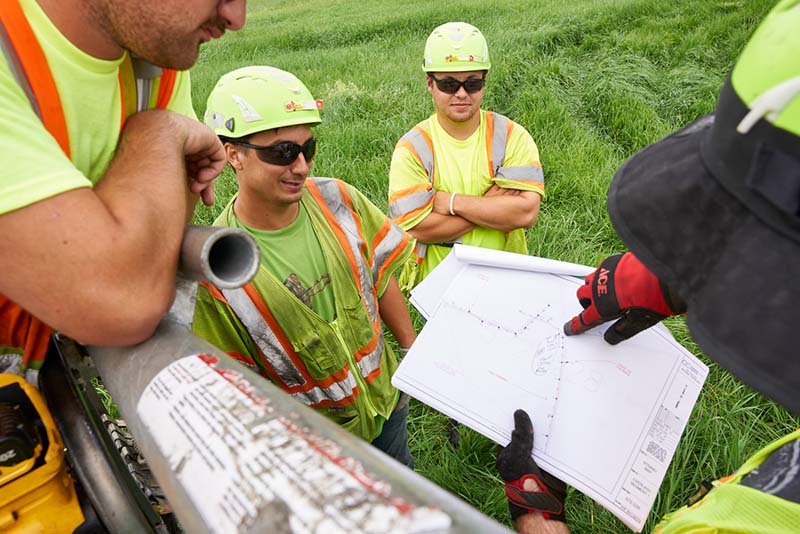
  • Conduct site-specific safety orientation for all workers and subcontractors
  • Review and sign job hazard analyses (JHAs) for each work phase

Underground Construction Safety

Underground utility work introduces hazards that aren't visible until it's too late. Trench collapses, underground utility strikes, and confined space incidents can be fatal. OSHA's excavation standard (29 CFR 1926.650) requires protective systems for trenches deeper than 5 feet, and in some soil conditions, even shallower trenches. 

When digging within 24 inches of a marked utility, put down the backhoe. Use hand tools or vacuum excavator to carefully expose the line. This is especially critical for:

  • Gas lines (risk of explosion)
  • Electrical conduit (electrocution hazard)
  • Existing fiber optic cables (costly service interruptions)
  • Water mains (flooding and erosion)

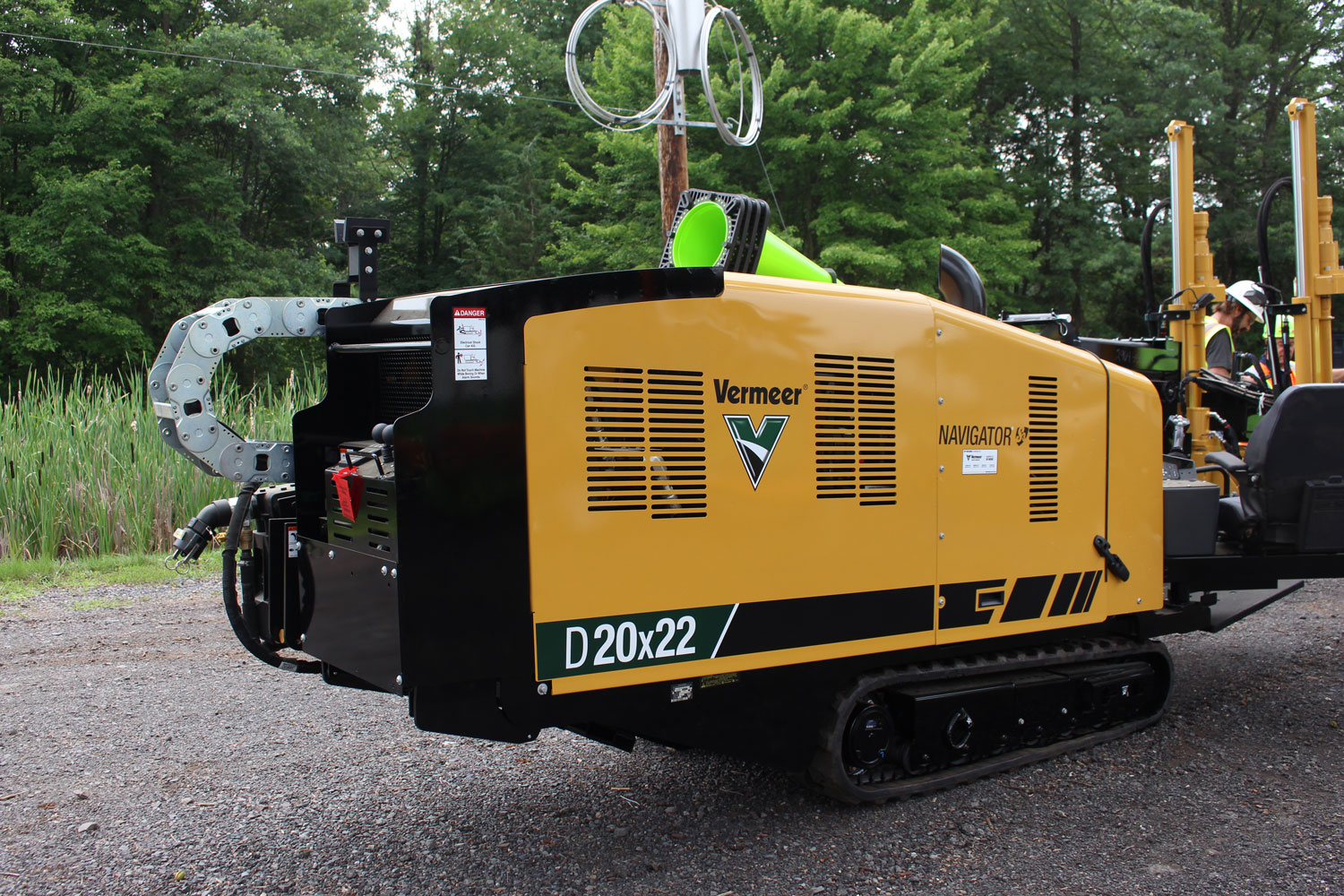
Horizontal directional drilling has transformed how utilities are installed, but the method introduces a distinct set of risks that crews must actively manage:

  • Verify underground utility locations with multiple methods (811, private locators, ground-penetrating radar)
  • Monitor bore path continuously with locating equipment
  • Establish exclusion zones around the bore entry and exit pits
  • Have emergency shutdown procedures for utility strikes
  • Never assume old utility maps are accurate—verify in the field

Confined Space Entry: Vaults, Manholes & Splice Closures

Fiber optic splicing frequently takes place in underground vaults and manholes, which qualify as confined spaces and may contain toxic gases, oxygen-deficient atmospheres, or explosive vapors.

Before entering any confined space:
  • Atmospheric testing for oxygen, combustible gases, and toxic substances
  • Continuous ventilation with blowers
  • Attendant stationed at the opening at all times
  • Rescue equipment and trained rescue personnel available
  • Communication system between entrant and attendant
  • Permit-required confined space procedures followed

Crews should never enter a vault or manhole without completing proper atmospheric testing to confirm safe oxygen levels and acceptable combustible gas concentrations. They must run forced-air ventilation continuously to maintain a safe environment, assign a trained attendant who remains outside and can initiate rescue if conditions change, and use an approved harness and retrieval system to enable immediate emergency extraction if needed.

Fiber Optic-Specific Safety Protocols

Fiber optic work introduces hazards that don't exist in traditional construction. These microscopic glass fibers and the chemicals used in termination require specialized safety measures.

Fiber scraps generated during cleaving and splicing present a serious safety risk because they are nearly invisible, extremely sharp, and capable of penetrating skin or being ingested. Crews should capture all scraps in a designated, clearly marked, sealed fiber disposal container and perform splicing on a dark-colored mat that makes shards easier to see and control. Teams should avoid using compressed air to clean the work area because it disperses fiber fragments into the air and surrounding surfaces. 

They should dispose of contaminated materials in accordance with local regulations, which may require hazardous-waste handling, and they should wash hands thoroughly after working with fiber. To reduce ingestion risk, crews should also prohibit eating, drinking, and smoking in all splicing areas.

Emergency Preparedness: When Things Go Wrong

Despite your best prevention efforts, emergencies can happen. Your response in the first minutes determines whether an incident becomes a minor event or a catastrophe. Every jobsite must have a written emergency action plan that addresses:

Medical Emergencies:
  • Designated first aid responders with current certifications
  • First aid kits inspected and restocked monthly
  • AED (automated external defibrillator) on site for projects with 10+ workers
  • Exact address and GPS coordinates for emergency services
  • Designated person to meet ambulance and guide to the scene
Fire & Explosion:
  • Fire extinguishers (ABC-rated) within 100 feet of all work areas
  • Monthly inspection tags current
  • Evacuation routes and assembly points clearly marked
  • Procedures for shutting down equipment and securing the site
Utility Strikes:
  • Immediate shutdown of all work
  • Evacuation to safe distance (300+ feet for gas lines)
  • Emergency contact numbers for utility owners
  • Notification procedures for project management and authorities
Severe Weather:
  • Lightning: Cease all outdoor work when lightning is within 6 miles (30-second flash-to-bang rule)
  • High winds: No aerial work when sustained winds exceed 30 mph
  • Extreme heat: Mandatory rest breaks in shade, unlimited water access
  • Winter weather: Ice and snow removal from work platforms, heated break areas

The ROI of Safety: Why This Matters to the Bottom Line

Some contractors view safety as a cost center—a necessary evil to avoid OSHA fines. Smart contractors recognize that safety is a profit center that directly impacts their bottom line. When a worker is injured, the direct costs (medical bills, workers' comp) are just the beginning. Indirect costs typically run 4-10 times higher:

  • Project delays and schedule impacts
  • Replacement worker training and reduced productivity
  • Increased insurance premiums (EMR impact)
  • OSHA fines and legal fees
  • Damage to equipment and materials
  • Loss of reputation and future bid opportunities

According to the National Safety Council, the average cost of a medically consulted workplace injury is $42,000. A fatality averages $1.42 million in direct and indirect costs.

Safety Is Everyone's Job

Fiber optic and utility construction will always involve inherent risks. Working at heights, around underground utilities, and with specialized equipment means the margin for error is slim. But with systematic safety practices, proper training, and a culture that values every worker's wellbeing, these risks can be managed effectively.

This checklist isn't meant to sit in a binder on a shelf. It's a living document that should be referenced daily, updated as conditions change, and adapted to the specific hazards of each project. Print it. Share it with your crews. Use it in your toolbox talks. Make it part of your daily routine.

November 14, 2025

Eye and Face Protection at Work

Protecting your vision is not optional. Each year, thousands of workers suffer eye injuries on the job, many of which are preventable with the proper use of eye and face protection.

Read more

September 15, 2025

The Power of an Incident Investigation

In the workplace, how we talk about safety matters. The term “accident” implies something random and unavoidable, but when it comes to most injuries or close calls on the job, that’s rarely the case. This is why OSHA promotes the term “incident” instead.  

Why Incident Investigations Matter 

  • Looks beyond human error: if someone didn’t follow a procedure, ask why? 
  • Fixes the root cause, not just the symptoms
  • Promotes a safety-first culture  

Teamwork Makes it Stronger 

While a supervisor often leads the incident investigation, the best results come from a team approach that includes both manager and workers. Everyone brings unique knowledge to the table, whether it’s about the job itself, the tools involved, or the policies in place.  

To read more about Incident Investigations, visit this website: Incident Investigation - Overview | Occupational Safety and Health Administration 

September 8, 2025

Suicide Prevention in Construction

Construction is one of the most important industries in our country, but it is also one of the most dangerous when it comes to mental health. According to the CDC, construction workers die by suicide at a rate nearly four times higher than the national average. The crisis is largely hidden, but it’s real.  

The Construction Suicide Prevention initiative and OSHA are providing resources, training, and support aimed at reducing the stigma around mental health in the trades. From peer-support programs to toolbox talks and national awareness campaigns, the goal is simple: make it okay to speak up and get help.  

Contractors, supervisors, and workers all have a role to play. It starts by creating a culture where safety includes mental wellness.  

For more information and free resources visit Preventing Suicides in Construction | Occupational Safety and Health Administration and Construction Suicide Prevention - Home - Construction Suicide Prevention 

988 Suicide & Crisis Lifeline - Chat With Lifeline

August 20, 2025

Why Does Fall Protection Matter?

Why does fall protection matter? 

Falls are one of the most common causes of serious workplace injuries and deaths. According to OSHA, falls consistently rank as the leading cause of fatalities in the construction industry. 

  • Lives are at stake, even a short fall from a ladder or platform can cause life-threatening injuries  
  • It’s the law, OSHA requires fall protection at certain heights depending on the industry  
  • 4 feet in general industry, 6 feet in construction  
  • Accidents are preventable with proper planning, training and equipment. Most fall accidents can be avoided. 
By investing in fall protection, you are actively protecting your team and building a culture of safety.  

For more information go to this website Fall Protection - Overview | Occupational Safety and Health Administration 

August 12, 2025

Build a Stronger Safety Culture with the Safe and Sound Campaign  

Creating a safe workplace isn’t just a one-time effort; it is an ongoing commitment. It is a year-round initiative that promotes proactive safety and health programs in every industry.  

The campaign encourages employers and workers to recognize the core elements of workplace safety:  

  • Management Leadership: When leaders actively support safety efforts, the entire organization follows.  
  • Work Participation: Safety improves when everyone is involved, from top management to the front line.  
  • A Systematic Approach to Finding and Fixing Hazards: Identifying problems before they cause harm is key to prevention.  

This campaign is strongly aligned with Celerity’s mission. We believe that every worker has the right to go home safe at the end of the day, and we are committed to building a culture where that’s not just expected, but it is in every decision we make.  

For more information on this campaign, visit the Safe and Sound page here. 

Safe + Sound

August 11, 2025

What to Know About the Hazard Communication Standard 

The Hazard Communication Standard (HCS) has long given workers the right to know about hazardous chemicals in their workplace. Today, it also gives them the right to understand. This shift emphasizes clear communication, practical training, and a shared responsibility for workplace safety. 

Why Hazard Communication Matters 

Workplaces the handle chemicals must ensure that workers:  

  • Know what chemicals they are exposed to  
  • Understand the risks involved  
  • Receive proper training to handle them safely 

This helps prevent accidents, illnesses, and costly chemical incidents.  

Employer Responsibilities 

  • Keep updated SDS and labels on site 
  • Ensure workers are trained and informed  
  • Review classification and guidance and regulatory updates 

When workers truly understand the hazards they face, they are better equipped to protect themselves and their team 

Explore OSHA’s Hazard Communication resources to learn more.  

July 23, 2025

Ticks and Tick-Borne Diseases: What You Need to Know  

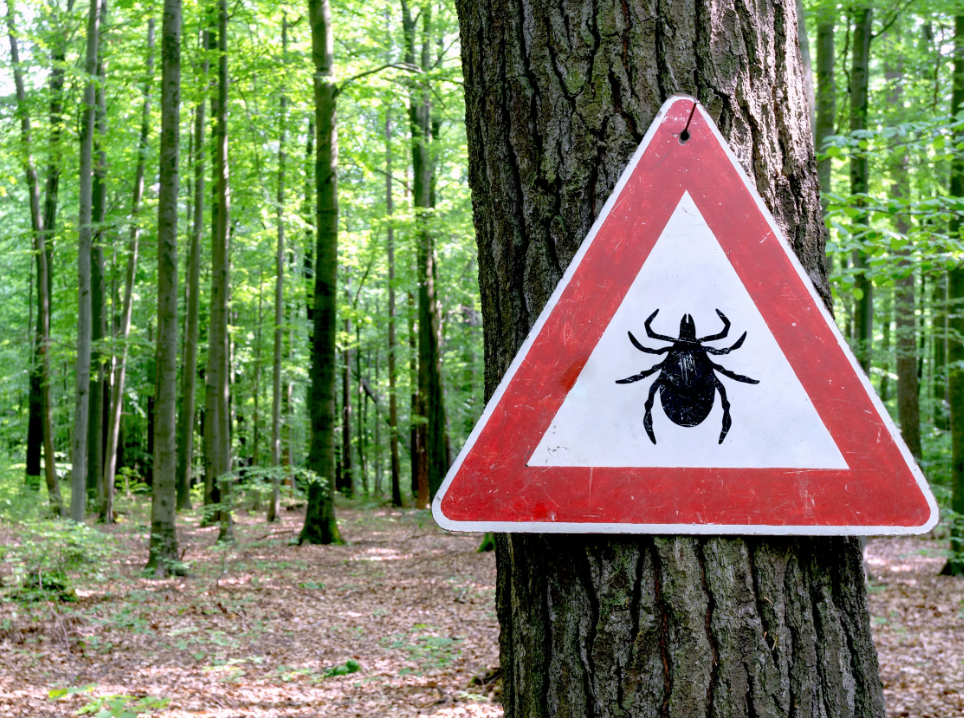
Ticks are tiny arachnids that feed on the blood of mammals and birds, and they can carry dangerous diseases. The most common tick-borne disease in the U.S. is Lyme Disease, with an estimated 476,000 people diagnosed and treated annually. Other serious illnesses like Rocky Mountain Spotted Fever and Anaplasmosis are also on the rise.  

Who Is at Risk? 

People who spend time outdoors, especially in wooded or grassy areas, are most at risk. This includes outdoor workers, hikers, and pet workers.  

How to Protect Yourself, especially on the Jobsite: 

  • Wear long sleeves and pants when working outdoors, particularly on vegetation-heavy job sites 
  • Use tick repellents that contain DEET or permethrin on skin and clothing 
  • Conduct thorough tick checks on yourself and teammates after shifts in the field 
  • Shower soon after returning from the job site to help remove ticks 
  • Maintain work areas: trim back vegetation where possible to limit exposure 
  • Educate your crew about symptoms and prevention as part of routine safety talks 

Know the Symptoms:  

  • Fever, fatigue, or muscle aches 
  • Rash (bulls-eye pattern) 
  • Swollen lymph nodes 

If you develop symptoms after a tick bite or outdoor activities, see a doctor right away. Early treatment can prevent serious illnesses.  

For more information about this topic visit Tickborne Disease - Overview | Occupational Safety and Health Administration 

July 21, 2025

Heat Safety at Work 

Whether you’re laying asphalt under the blazing sun or working near ovens in a warehouse, heat-related illness is a serious workplace hazard. Every year, thousands of workers get sick from heat exposure on the job, that is why heat safety is important.

Who’s at Risk?
Heat hazards exist in many industries including:  

Outdoor Work:  

  • Construction 
  • Landscaping 
  • Agriculture 
  • Oil and gas operations 
  • Mail and package delivery  

Indoor Work: 

  • Manufacturing  
  • Warehouses  
  • Boiler rooms 
  • Fire service 

Heat-related illness can strike at any time of the year, not just during heat waves. It happens anytime the body can’t cool itself down fast enough.  

Understanding Heat Illness 

The body needs time to adjust to working in heat, a process known as heat acclimatization. Most outdoor fatalities happen in the first few days on the job because workers aren’t acclimated. Risk factors include:  

  • Heavy physical activity  
  • High air temperatures 
  • Inadequate hydration  
  • Protective clothing that traps heat 
  • Pre-existing health conditions  

Preventing Heat-Related Illness 

A good prevention plan includes planning, supervision, engineering controls and worker training. Here are some important prevention steps:  

  • Start slow: shorter shifts and light workloads for new workers 
  • Hydration: encourage regular water and electrolyte drink breaks 
  • Rest breaks: frequency breaks in shaded or cool areas 
  • Engineering controls: use fans, ventilation, or AC when possible 
  • Training: teach workers and supervisors to recognize and respond to heat illness symptoms 

Keep Your Crew Cool and Safe 

Employers have a responsibility to keep workers safe from heat hazards. A well-done heat illness prevention program protects your workers.  

For more tools, training and guidance on heat safety, visit this page: Heat - Overview: Working in Outdoor and Indoor Heat Environments | Occupational Safety and Health Administration 

July 3, 2025

Heat Illness Prevention: Stay Safe in Hot Conditions

As summer temperatures rise, so do the risks of heat illness for the hardworking technicians and construction crews who spend their days outdoors. With the exposure to high heat and physically demanding tasks, they face serious threats from heat stress and heat stroke. These conditions can escalate quickly without proper precautions.  

Celerity is committed to raising awareness about the dangers of working in extreme heat and stressing the importance of preventative measures to protect our workers.  

Heatstroke 

The Mayo Clinic described heatstroke as, “a condition caused by the body overheating. This usually happens because of exposure to high temperatures or physical activity in high temperatures for too long.” 

Symptoms of Heatstroke:  

  • A change in mental state of behavior like confusion, agitation, or slurred speech.  
  • Change in sweating pattern: skin may be hot and dry or profusely sweating. 
  • Nausea and vomiting may occur. The skin may become flushed, and breathing can become rapid and shallow. 

Heat Exhaustion 

A condition of fatigue and weakness, usually with a normal body temperature, stems from prolonged exposure to heat. 

Symptoms of Heat Exhaustion:  

  • The individual may be dizzy or faint and have blurred vision.  
  • The skin might be cool or moist with goosebumps.  

Heat Illness Prevention

Preventing heat-related injuries starts with awareness and action. OSHA states, “Most outdoor fatalities, 50% to 70%, occur in the first few days of working in warm or hot environments because the body needs to build a tolerance to the heat gradually over time.” That is why it is important to take proactive steps, especially during the initial days of heat exposure.  

Drink Water: Drink water every 15 minutes when working in hot conditions. Do not wait until you are thirsty to drink water. We have provided hydration powder packets for our employees to use. We strongly encourage using electrolyte beverages throughout the day to replenish what it loses through sweat. Do not drink alcohol and avoid caffeine, as these can contribute to heat stress.  

Take Breaks: Take frequent rest breaks in shaded, cooled, or air-conditioned areas. Pacing yourself and giving your body time to recover is especially important when working in heat or when you are not yet acclimated. 

Speak Up: Finally, if you see a co-worker with symptoms of heat exhaustion, speak up. If you see a co-worker with symptoms of heat stroke, seek medical attention immediately. Heat stroke is a medical emergency and can be fatal if not treated quickly.  

Contact Us

Name

Hospital Fiber Optic Installation: How Reliable Networks Power Modern Healthcare

When a hospital’s network goes down, the consequences extend far beyond a frozen computer screen. Electronic medical records become inaccessible. Lab results stop flowing to physicians. Patient monitoring systems lose connectivity. In critical care environments, even a few minutes of network disruption can affect patient outcomes and cost healthcare organizations thousands of dollars per minute.

What Next Mile Technology Means to Us

When we launched Celerity Integrated Services in October 2002, we did more than start a company. We set a standard. From every fiber splice to every network design and emergency response, our work was built to represent more than technical capability. It reflects who we are as a family-owned organization, as accountable leaders, and as people who understand that what we build today underpins the critical infrastructure of tomorrow.

1 2 34
footer-logo

Subscribe to our newsletter to stay Well Connected with Celerity Integrated Services, Inc.

Contact Us

3500 AM Drive,
Quakertown, PA 18951

P 215 538 1600
F 215 538 1602

info@nextmiletech.com

proview

© 2025 Celerity Integrated Services. Privacy Policy. Site by Smith & Howell Design Co.

Back to top Arrow