When a hospital's network goes down, the consequences extend far beyond a frozen computer screen. Electronic medical records become inaccessible. Lab results stop flowing to physicians. Patient monitoring systems lose connectivity. In critical care environments, even a few minutes of network disruption can affect patient outcomes and cost healthcare organizations thousands of dollars per minute.
For hospitals and healthcare systems across the Mid-Atlantic region, the question is no longer whether to invest in robust network infrastructure but how quickly they can implement solutions that prevent these costly disruptions. Hospital fiber optic installation has emerged as the gold standard for healthcare facilities that refuse to compromise on reliability, speed, or security.
Why Network Reliability Matters in Modern Hospitals
Healthcare has undergone a digital transformation over the past decade. According to the Office of the National Coordinator for Health Information Technology (ONC), 84% of hospitals had adopted at least a basic electronic health record (EHR) system by 2015, fundamentally changing how medical professionals access patient information. Today, that percentage is even higher, with nearly every aspect of patient care depending on instant access to digital systems.
Consider a typical day at a regional hospital. Nurses check medication orders through bedside terminals. Radiologists review imaging studies transmitted from CT and MRI machines. Emergency department physicians pull up patient histories within seconds of arrival. Laboratory technicians send critical test results to care teams across multiple buildings. All of these activities rely on a network infrastructure that must perform flawlessly, 24 hours a day, 365 days a year.
When that infrastructure fails, the impact ripples through every department. Research published by the NIH’s PubMed analyzing 76 downtime incident reports found that 46% of the incidents studied had inadequate or missing downtime procedures, leaving staff scrambling to maintain patient care without the digital tools they depend on daily.
The Hidden Cost of Healthcare Network Downtime
The financial impact of network disruptions in healthcare settings is staggering. According to the Ponemon Institute, healthcare organizations lose an average of $7,500 per minute when their networks go offline. For a hospital experiencing a one-hour outage, that translates to $450,000 in direct losses from delayed procedures, canceled appointments, and operational disruptions.
But the true cost extends beyond immediate revenue loss. Patient trust erodes when appointments are rescheduled or test results are delayed. Staff productivity plummets as clinicians resort to paper-based workarounds. In some cases, patients must be diverted to other facilities, creating both safety concerns and competitive disadvantages.
The HIPAA Journal reports that the average cost of a healthcare data breach fell to $9.77 million in 2024. While not all network issues stem from security breaches, the statistic underscores how vulnerable healthcare organizations become when their network infrastructure lacks proper design, testing, and maintenance.
For healthcare systems in Pennsylvania, Virginia, and throughout the Mid-Atlantic, these risks are compounded by the region's aging infrastructure and increasing patient volumes. A single routing misconfiguration or fiber break can cascade across multiple facilities, affecting thousands of patients and generating losses that dwarf the cost of proactive infrastructure investment.
How Hospital Fiber Optic Installation Has Become The Backbone of Safer, Smarter Patient Care
Hospital fiber optic installation addresses the unique demands of healthcare environments in ways that traditional copper-based networks simply cannot match. Fiber optic cables transmit data using light signals rather than electrical currents, offering several critical advantages for medical facilities.
First, fiber optics provide the bandwidth necessary for modern medical imaging and telemedicine applications. A single high-resolution MRI scan can generate gigabytes of data that must be transmitted quickly between imaging equipment, storage systems, and physician workstations. Fiber networks handle these massive file transfers without the slowdowns that plague older network technologies.
Second, fiber optic cables are immune to electromagnetic interference, a crucial consideration in hospitals filled with medical equipment that generates electrical noise. Unlike copper cables, which can experience signal degradation near MRI machines, X-ray equipment, or even elevator motors, fiber maintains consistent performance regardless of the surrounding electromagnetic environment.
Third, fiber networks offer superior security for protecting sensitive patient information. Because fiber optic cables transmit data as light pulses, they are extremely difficult to tap without detection. This physical security layer complements the encryption and access controls that healthcare organizations must implement to maintain HIPAA compliance.
Perhaps most importantly, hospital fiber optic installation creates a foundation for future growth. As healthcare organizations adopt artificial intelligence for diagnostics, expand telemedicine services, and implement Internet of Medical Things (IoMT) devices for remote patient monitoring, fiber infrastructure provides the scalability to support these innovations without requiring costly network overhauls.
In our work with healthcare clients across the Mid-Atlantic, we have seen firsthand how properly designed fiber networks transform operational reliability. Facilities that once experienced frequent network slowdowns and periodic outages now maintain consistent performance even during peak usage periods.
Fiber Optic Testing Virginia: Ensuring Long-Term Network Performance
Installing fiber optic infrastructure represents a significant investment for any healthcare organization. Protecting that investment requires rigorous testing at every stage of the project, from initial installation through ongoing maintenance. This is where fiber optic testing Virginia providers like Celerity Integrated Services play a critical role.
Comprehensive fiber optic testing begins during installation, with technicians using specialized equipment to verify that each cable segment meets industry standards for signal loss, reflectance, and overall performance. Optical Time Domain Reflectometers (OTDRs) identify any imperfections in the fiber that could degrade signal quality over time. Power meters confirm that light signals maintain adequate strength across the entire network path.
But testing does not end once the initial installation is complete. Healthcare networks require ongoing monitoring and periodic re-testing to ensure continued reliability. Environmental factors like temperature fluctuations, building settling, and even routine maintenance activities can affect fiber performance over time. Regular testing identifies potential issues before they cause network outages, allowing IT teams to schedule repairs during planned maintenance windows rather than responding to emergency failures.
For healthcare organizations operating multiple facilities across Virginia, Pennsylvania, and neighboring states, working with a fiber optic testing Virginia partner who understands the region's unique challenges makes a measurable difference. Local providers can respond quickly when issues arise, minimizing downtime and ensuring that network performance meets the demanding requirements of modern healthcare delivery.
Celerity's fiber optic testing services include comprehensive documentation of test results, creating a baseline for future comparisons and providing the evidence healthcare organizations need to demonstrate network reliability to regulators, insurers, and accreditation bodies.
Building Healthcare Networks Where Patient Care Comes First
The most successful hospital fiber optic installation projects begin with a clear understanding of how the network will support clinical operations. Rather than simply connecting buildings with fiber cables, healthcare organizations should work with experienced partners to design networks that align with their specific workflows and growth plans.
This planning process starts with a thorough assessment of current and anticipated bandwidth requirements. How many simultaneous telemedicine sessions will the network need to support? What is the expected growth in medical imaging volumes over the next five years? Will the organization expand into new facilities or service lines that require additional network capacity?
Next, healthcare IT teams must consider redundancy and failover capabilities. Critical systems like electronic health records, patient monitoring, and emergency department operations cannot tolerate even brief network interruptions. Properly designed fiber networks include redundant paths and automatic failover mechanisms that maintain connectivity even if a primary fiber route is damaged.
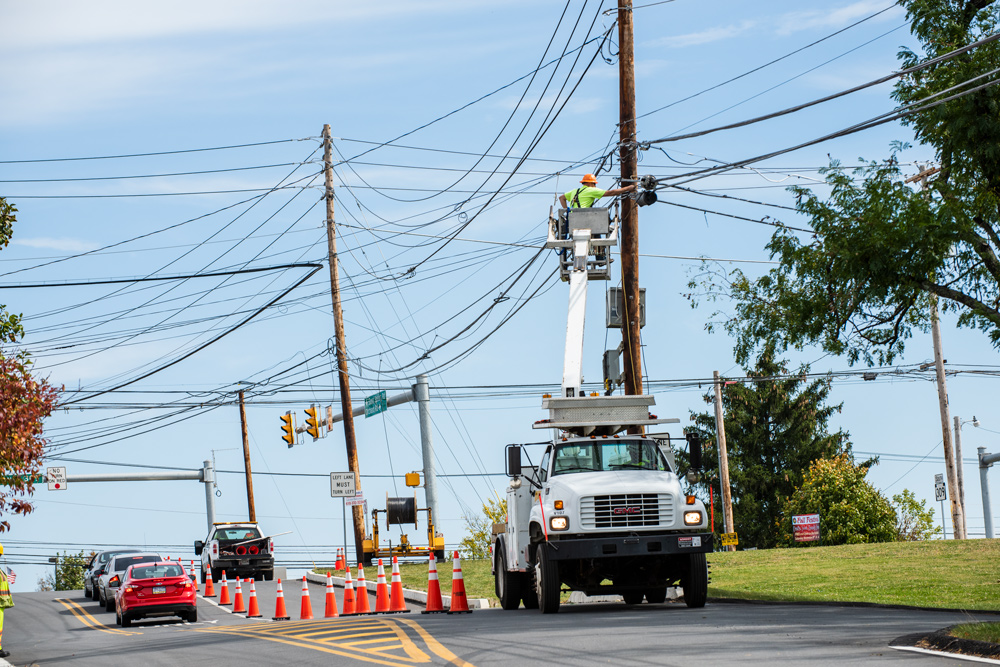
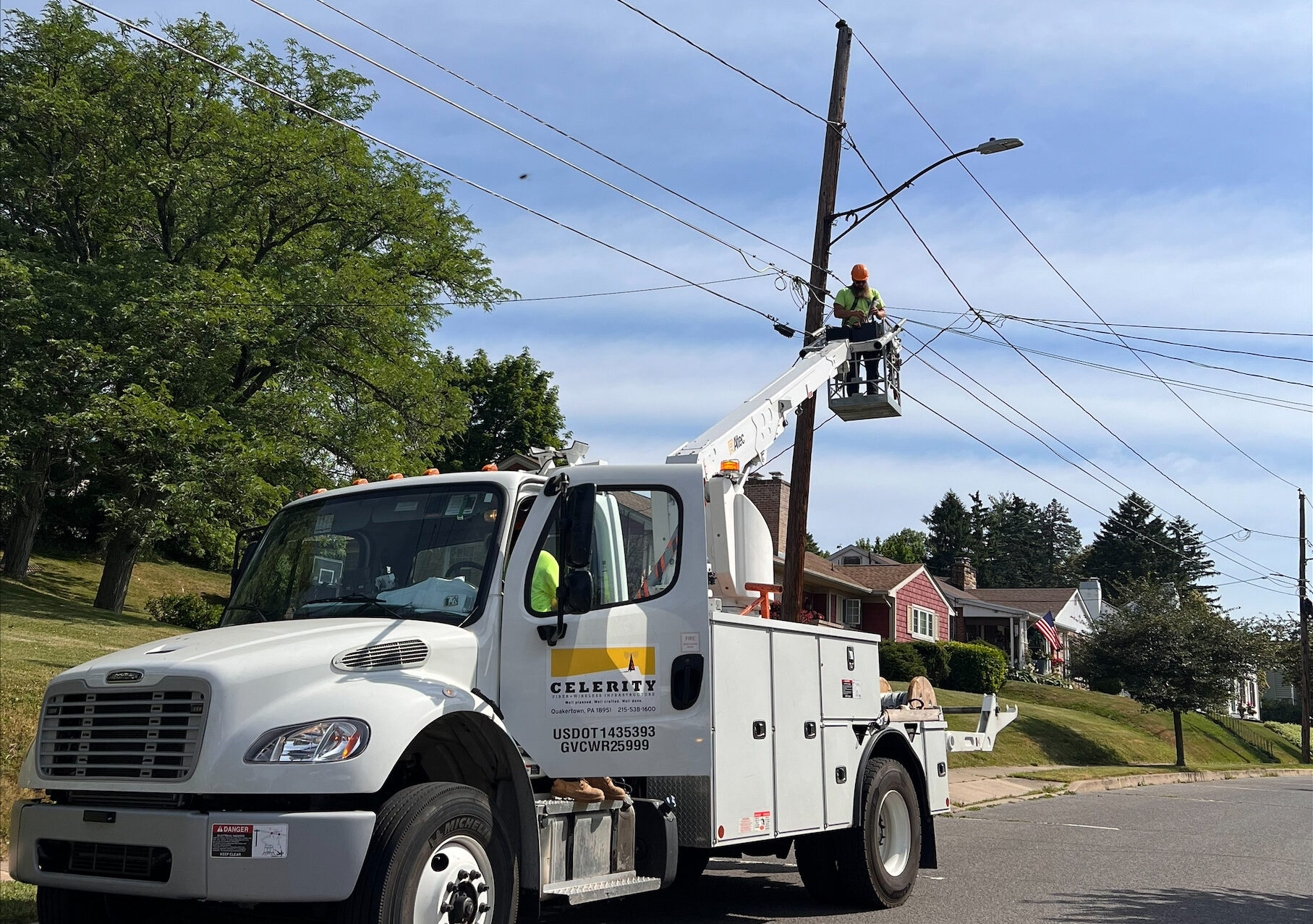
Physical security also deserves careful attention during the planning phase. Fiber routes should avoid areas where construction activity or vehicle traffic could damage cables. Where aerial installation is necessary, cables must be properly secured and protected from weather-related damage. Underground installations require careful coordination with other utilities to prevent accidental damage during future excavation projects.
For healthcare organizations in the Mid-Atlantic region, partnering with a provider who offers comprehensive services from engineering and planning through installation and ongoing maintenance streamlines the entire process. Celerity Integrated Services has supported healthcare clients throughout Pennsylvania and Virginia with fiber networks designed specifically for the demanding requirements of medical facilities.
When network issues do occur, rapid response becomes essential. Celerity's 24/7 emergency response services ensure that healthcare organizations have access to experienced technicians who can diagnose and repair fiber network problems quickly, minimizing the impact on patient care and hospital operations.
The investment in hospital fiber optic installation pays dividends not just in network performance but in the peace of mind that comes from knowing your infrastructure can support the life-saving work happening every day in your facilities. As healthcare continues to evolve and become more dependent on digital systems, the organizations that invest in robust, properly tested fiber networks will be best positioned to deliver exceptional patient care while managing operational costs effectively.
For healthcare leaders evaluating their network infrastructure needs, the question is not whether fiber optics represent the right choice but how quickly they can implement a solution that protects patients, staff, and their organization's financial health. Contact Celerity to discuss how our comprehensive fiber optic services can support your healthcare network goals.