October 22, 2025

Fiber Qualification vs Acceptance vs Certification: Pick the Right Scope

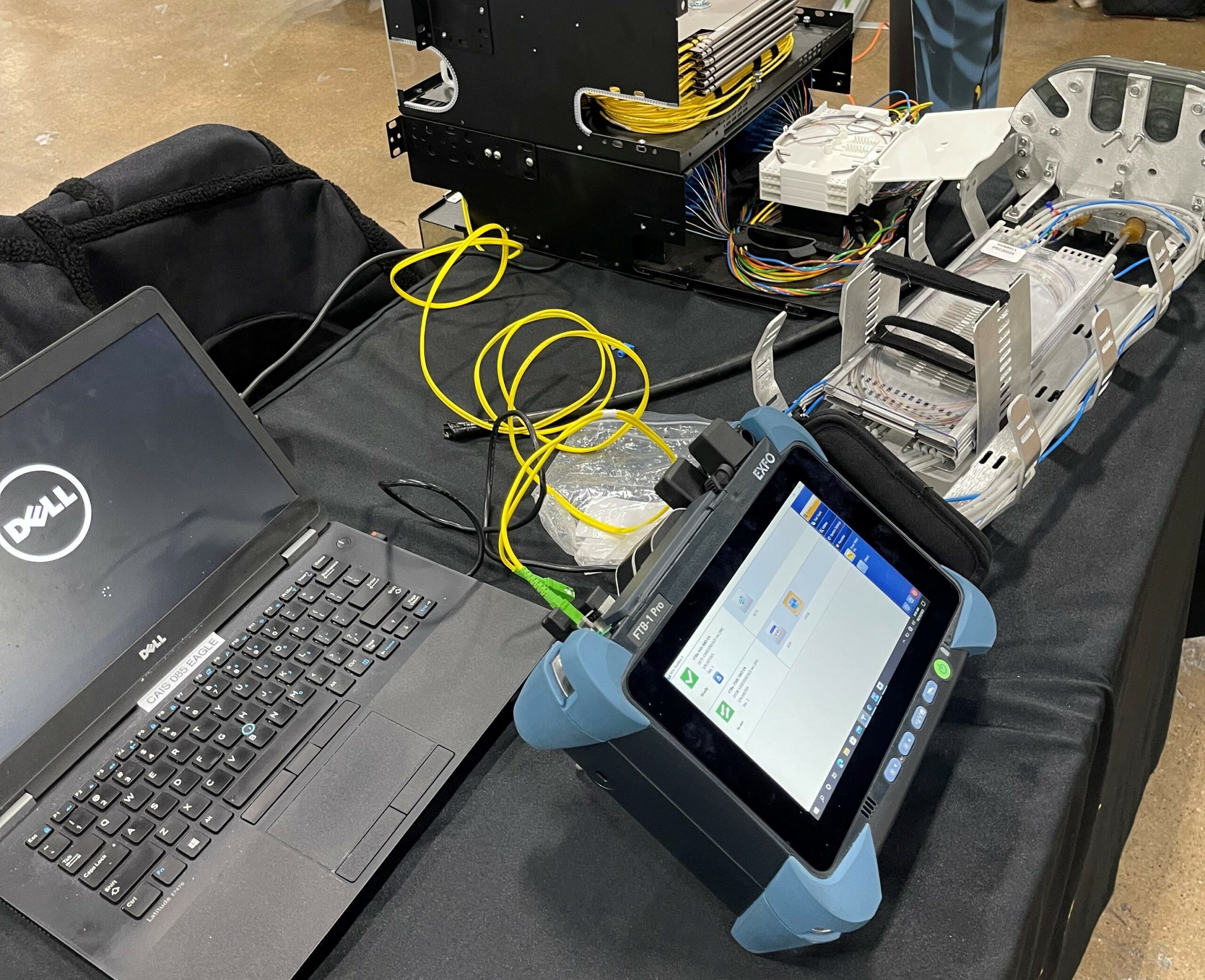
When installing or upgrading a fiber optic network, testing is one of the most critical steps. Choosing the wrong testing approach can cost your project thousands of dollars and add months of delay. Yet many network teams struggle with qualification, acceptance, and certification testing, three very different methods that serve unique purposes in the fiber lifecycle. Understanding these differences helps avoid expensive mistakes, protects warranties, and ensures your network meets both performance and compliance requirements. 

Take this scenario for example: A healthcare provider spends $2.3 million on a new fiber backbone connecting five facilities. The contractor claims "comprehensive testing" was completed. Six months later, critical systems fail. Patient records become unavailable, surgeries get delayed, and IT scrambles to troubleshoot phantom issues.

The problem? The contractor only performed qualification testing when the project required full certification to meet healthcare compliance rules. The result? A nightmare. It required network reinstallation, legal battles, and lasting damage to the organization’s reputation. Avoiding such situations is why it’s critical to understand each testing type and apply it correctly.

Fiber Qualification Testing: The Quick Assessment

Fiber qualification testing answers one simple question: “Will this fiber link work for my intended application?” Think of qualification testing like a quick check before a short trip. It’s similar to making sure your car starts, has enough fuel, and the lights work, but without inspecting the tires, brakes, or engine before a cross-country journey. 

The primary purpose of qualification testing is to verify that the fiber can support the intended application under normal conditions, focusing on basic performance metrics such as continuity and simple loss measurements. Documentation is minimal, typically limited to a short report or field notes, and the results do not carry compliance or warranty significance. 

While qualification testing is fast and cost-effective, it does not provide the depth of information needed for high-speed or mission-critical networks, making it suitable for short-term validation rather than long-term assurance.

When to Use Qualification Testing

Qualification testing is best suited for scenarios where a quick assessment of fiber performance is sufficient. It is particularly useful when checking older fiber before upgrading to faster speeds, setting up temporary networks for events or short-term projects, or troubleshooting quick go/no-go situations. It can also serve budget-limited projects where warranty protection isn’t required, or for internal networks that fall outside manufacturer coverage. The primary advantage of qualification testing is its speed and low cost—a test can often be completed in just a few minutes using simple tools like power meters and basic OTDR functions. However, the trade-off is that it provides no warranty protection and does not meet the rigorous requirements expected for enterprise or carrier-grade networks, limiting its applicability for high-stakes or long-term deployments.

Fiber Acceptance Testing: The Project Milestone

Acceptance testing ensures that installed fiber meets the exact requirements specified in the project design and contract. Its primary purpose is to verify that project deliverables align with agreed-upon parameters, focusing on project-specific performance metrics rather than general industry standards. 

Documentation is detailed, providing a thorough record of test results and compliance with contractual obligations, though it does not serve as validation for manufacturer warranties. Acceptance testing serves as a middle ground between basic qualification and full standards-based certification, making it particularly valuable for large-scale projects where performance requirements exceed typical industry norms. 

By confirming that the installation fulfills all contractual commitments, this testing provides confidence to both the contractor and the client before the network is commissioned.

The Three Phases of Acceptance Testing

Phase 1 Pre-Installation Testing

  • Checks cable quality before it’s installed
  • Identifies defects or shipping damage
  • Establishes baseline performance

Phase 2 Installation Testing

  • Tests each cable segment after installation
  • Confirms proper fiber splicing and connector quality
  • Verifies bend radius and installation practices

Phase 3 Post-Installation Testing

  • End-to-end verification of the whole system 
  • Confirms the network path works as designed
  • Provides final documentation for handoff

When to Use Acceptance Testing

Acceptance testing is ideal for situations where networks have custom designs or unique performance requirements. It is particularly valuable for large deployments that require milestone documentation, government or enterprise projects with strict deliverables, or installations in harsh environments such as industrial plants or outdoor campuses. The detailed records generated during acceptance testing not only confirm that contractual requirements have been met but also serve as a reference for future network upgrades, troubleshooting, and resolving any disputes over project performance. By providing both verification and documentation, acceptance testing bridges the gap between basic qualification and full standards-based certification, ensuring that complex or high-stakes projects are properly validated.

Fiber Certification Testing: The Gold Standard

Fiber certification testing represents the gold standard in network validation. It is the most rigorous level of testing, designed to ensure that a fiber network fully complies with recognized industry standards such as TIA-568 or ISO/IEC 11801

The primary purpose of certification is to provide verifiable proof of standards compliance, covering all required performance parameters with precision. Documentation is comprehensive and fully standards-compliant, creating a permanent record that supports both warranty claims and legal accountability. 

By achieving certification, network owners gain the highest level of assurance, including manufacturer warranty protection and confidence that the infrastructure will reliably support current and future high-speed applications.

The Two Tiers of Fiber Certification

Tier 1 (Basic Certification)

  • Uses OLTS (Optical Loss Test Set)
  • Measures insertion loss, length, and polarity
  • Provides pass/fail results against standard limits

Tier 2 (Extended Certification)

  • Adds OTDR analysis
  • Locates and characterizes faults
  • Measures splice and connector losses
  • Produces detailed documentation

When Certification is Required

Certification testing becomes essential whenever a fiber installation must meet the highest standards of performance, reliability, and compliance. It is particularly critical for new deployments that require manufacturer warranty coverage, ensuring that all network components meet strict specifications from the outset. 

Data centers, mission-critical networks, and carrier-grade telecom infrastructures also require certification testing to guarantee uninterrupted operation under heavy traffic loads and tight latency requirements. Additionally, projects subject to legal, regulatory, or contractual standards rely on certification as a documented verification of compliance.

While the upfront cost of certification testing is higher than simpler qualification or acceptance tests, the long-term benefits far outweigh the initial investment. By providing full, standards-compliant documentation and verified performance results, certification minimizes the risk of costly downtime, troubleshooting delays, and rework. It ensures that the fiber network can reliably support current high-speed applications and provides a solid foundation for future upgrades or expansions. In short, certification testing not only validates performance but also protects the network owner’s investment, offering both peace of mind and operational assurance for years to come.

Making the Right Choice: A Decision Framework

Selecting the right fiber testing method requires careful consideration of several factors that go beyond cost or convenience. The first consideration is the purpose of the network: temporary or internal links with low-risk applications may only require qualification testing, while mission-critical, high-speed, or regulatory-compliant networks demand full certification. Next, consider the project scale and complexity. Large deployments, custom designs, or harsh environmental conditions often benefit from acceptance testing to ensure all contractual obligations and unique design parameters are met. Also take into account:

Project Requirements

  • Budget: The cost progression of qualification, to acceptance and finally getting the Certification
  • Timeline: Qualification is fastest, certification takes the most time
  • Risk: High-risk or high-value networks demand certification
  • Regulation: Some industries (like healthcare and telecom) mandate specific testing levels

Network Criticality

  • Mission-Critical: Always require certification
  • Business-Critical: Typically need acceptance or certification
  • General-Purpose: Qualification may be acceptable
  • Temporary setups: Qualification is usually enough

Long-Term Considerations

When planning fiber testing, it’s important to look beyond immediate deployment needs and consider the long-term benefits of each approach. Only full certification testing provides the protection of manufacturer warranties, ensuring that any component failures covered under contract can be addressed without additional cost. 

Certification records also serve as a valuable reference for future network upgrades, allowing engineers to understand baseline performance and plan expansions or enhancements with confidence. Detailed test reports simplify troubleshooting by providing a clear history of the fiber link’s performance, making it easier to isolate and resolve issues quickly.

Additionally, standards-based certification meets most audit and compliance requirements, giving network owners peace of mind that their infrastructure adheres to recognized industry norms. By factoring in these long-term considerations, organizations can make smarter testing decisions that safeguard both performance and investment over the life of the network.

The Cost of Getting It Wrong

Failing to perform proper fiber testing can carry significant financial, operational, and reputational risks. Rework costs alone can reach three to five times the original installation expense, as faulty or untested fiber often requires labor-intensive repairs or replacement. Network downtime is another critical concern, with some studies estimating losses of more than $5,000 per minute for high-speed networks. 

Beyond the immediate financial impact, inadequate testing can void warranties and create legal exposure, leading to disputes over liability between contractors, vendors, and network owners. Finally, failed projects can damage an organization’s reputation, making it more difficult to secure future contracts or client trust. 

Investing a small amount in the appropriate testing methods can prevent these costly consequences, protecting both the network’s performance and the organization’s bottom line.

Best Practices for Implementation

Regardless of which fiber testing method is selected, adhering to best practices is essential for accurate results and long-term network reliability. Technicians should be fully familiar with testing procedures, the use of specialized tools, and quality checkpoints, ensuring that every step is performed consistently and correctly. 

Following these practices not only improves the accuracy and reliability of test results but also safeguards the network against future issues, providing a solid foundation for high-speed, mission-critical operations.

Testing is no longer optional. It’s essential for performance, compliance, and reliability. Remember that qualification, acceptance, and certification testing aren't competing methods, but tools in your fiber deployment toolkit. The key lies in selecting which one fits your project.

Spending a bit more on proper certification today can save thousands in future troubleshooting, rework, and downtime costs. The question isn't whether you can afford to test properly. It's whether you can afford not to do it right the first time.

Celerity: Trusted Partner in the Mid-Atlantic For Network Qualification, Acceptance and Certification

At Celerity, based in Quakertown, PA, we specialize in providing basic qualification to full acceptance and standards-based certification across the Mid-Atlantic region. With deep technical expertise, local knowledge, and a strong safety culture, we help utilities, enterprises, and data centers ensure their networks meet performance requirements, comply with contracts and standards, and are ready for future upgrades. Whether you need a quick go/no-go check, or a detailed project acceptance, Celerity’s experts are ready to partner with you. Contact us today

October 14, 2025

Ashburn/Loudoun Data Center Fiber: 400G/800G Upgrade Checklist

Why Northern Virginia Data Centers Need 400G/800G Now

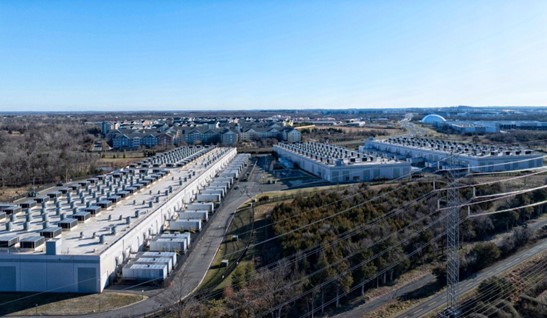
Northern Virginia's Ashburn and Loudoun County region, known as "Data Center Alley", hosts over 70% of the world's internet traffic. With AI, cloud computing, and hyperscale operations expanding at a rapid pace, bandwidth needs are climbing fast.

The move from 100G to 400G/800G isn’t a straight upgrade path. It often requires rethinking fiber plant readiness, redesigning networks, retraining teams, and justifying higher costs against actual traffic demand. For many operators, the transition is more stepwise (100G to 200G/400G for core/backbone first, then onto 800G for hyperscale data centers) rather than a smooth universal migration. 

Why This Region Leads Global Data Center Growth

Ashburn’s unique location just outside Washington, D.C., combined with Loudoun County’s pro-business environment, has positioned the region as the world’s largest data center hub. Its success is rooted in several strategic advantages: proximity to MAE-East, the original internet exchange point; access to a resilient power grid with multiple utility providers and substations; a dense fiber network with abundant dark fiber; and favorable local policies that include zoning and tax incentives. 

These factors are fueling the explosive growth for the region and as AI continues to rapidly transform the digital landscape, the U.S. is expected to see at least a 3x increase in hyperscale data center capacity by 2029.

That is why for many facilities still operating on older 10G, 40G, or 100G networks, it is critical to upgrade in order to ensure market share growth is captured and maintained. In short, this demand for higher speeds would require a 2x increase in fiber route miles and a 2.3x increase in total fiber miles for data centers to remain competitive.

This checklist will guide Ashburn and Loudoun County operators through how to plan, design, and deploy their upgrades successfully.

Pre-Upgrade Assessment Checklist

Before investing in a major network upgrade, it’s critical to know exactly what you’re working with and what challenges may stand in the way. A Pre-Upgrade Assessment Checklist helps to avoid costly surprises by ensuring every component is evaluated before anything is deployed. From verifying existing fiber health and capacity, to reviewing power and cooling systems, to checking compliance with zoning or industry standards, a structured checklist reduces risk, streamlines project timelines, and ensures upgrades deliver on performance expectations. In short, it’s the foundation for a smoother, more reliable transition to next-generation speeds. Your Pre-Upgrade Assessment should include:

Fiber Plant Review

  • Document current fiber types (OM3, OM4, OM5, OS2)
  • Map fiber counts and utilization
  • Spot bottlenecks in the cable plant
  • Assess patch panel and cassette compatibility

Power and Cooling

  • Calculate additional power requirements (400G ports use ~12W; 800G ports use ~18W)
  • Verify cooling capacity for higher-density optics
  • Improve airflow management

Space Planning

  • Confirm rack space for new switches and panels
  • Plan cable management for denser connections
  • Consider future expansion

Network Architecture

  • Review spine-leaf topology
  • Plan migration plan with minimal service disruption
  • Analyze current and future traffic patterns

Implementation Checklist

A network upgrade is only as successful as the plan behind it. That’s why having a sound implementation checklist is essential. It ensures that every stage of the process, from early planning to final optimization, is executed with precision and accountability. Without a structured roadmap, projects risk delays, unexpected costs, or performance gaps that can undermine the investment. 

A well-crafted checklist brings order to complexity, aligning stakeholders, timelines, and technical requirements so nothing falls through the cracks. The checklist provides a step-by-step guide to reducing risk and maximizing ROI, covering everything from defining bandwidth needs and securing permits to testing fiber performance. It also ensures next-generation switches are deployed smoothly and service migrations are carefully managed. Ultimately, it transforms a challenging technical transition into a clear, manageable process. Consider the following phases as a implementation checklist structure as you prepare to upgrade your network.

Phase 1: Planning and Design (Weeks 1-4)

Phase 1 sets the foundation for a successful upgrade by focusing on thorough planning and design. It is recommended the following be executed during Phase 1:

  • Define bandwidth needs and budget. Engage with Celerity for professional assessment.
  • Design detailed network diagrams and cable routes.
  • Choose vendors and verify compliance with industry standards.
  • Finalize project timeline and secure permits. Make sure to schedule your installation resources.

Phase 2: Infrastructure Preparation (Weeks 5-8)

Phase 2 focuses on preparing the physical infrastructure to support the upgrade. It is recommended the following be executed during Phase 2:

  • Install fiber optic panels, MTP/MPO trunk cables, and cable management.
  • Upgrade power and cooling systems.
  • Test fiber for insertion and return loss.

Phase 3: Equipment Installation (Weeks 9-12)

Phase 3 is where the core technology comes online. It is recommended the following be executed during Phase 3:

  • Deploy 400G/800G capable switches and optics.
  • Configure network protocols and routing.
  • Test backups and monitor performance

Phase 4: Migration and Optimization (Weeks 13-16)

Phase 4 ensures a smooth transition to the upgraded network. It is recommended the following be executed during Phase 4:

  • Migrate services in phases to limit downtime.
  • Monitor traffic and balance loads.
  • Implement quality of service policies and train staff on new systems.

Troubleshooting Common Upgrade Challenges

Troubleshooting common upgrade challenges is critical for ensuring a seamless transition to higher-speed networks and avoiding costly downtime or performance issues. One of the most frequent hurdles involves power and cooling. New equipment often demands more power than existing systems can provide, which can be addressed by upgrading power distribution infrastructure or exploring advanced solutions like liquid cooling to efficiently handle higher loads. Overheating racks are another common concern, particularly in dense data center environments, and can be mitigated by improving airflow, reorganizing rack layouts, or implementing immersion cooling techniques that better manage heat.

Fiber connectivity is another area where challenges frequently arise. Mismatched fiber types or incompatible connectors can lead to signal degradation and network instability, making it essential to standardize on high-performance fiber options such as OM4, OM5, or OS2. Additionally, many upgrades require parallel optics, and having too few fibers to support these configurations can severely limit network capacity. This issue can be addressed by deploying MTP/MPO trunk cables with breakout options, ensuring that the network has the necessary pathways for current and future bandwidth demands. By proactively addressing both power and cooling limitations as well as fiber connectivity issues, organizations can reduce risks, maintain optimal performance, and keep their upgrade projects on schedule.

Critical Success Factors for Ashburn & Loudoun Deployments

Successful deployments in Ashburn and Loudoun depend on navigating a few critical success factors. Regulatory compliance plays a central role, requiring alignment with Loudoun County zoning laws, Virginia’s environmental regulations, and federal security standards. Utility coordination is equally important, particularly when working for power upgrades and local fiber providers to ensure redundancy. 

Beyond these fundamentals, best practices help keep projects on track: involving all stakeholders early in the planning process, rolling out upgrades in phases to minimize risk, validating performance through comprehensive testing, and maintaining detailed records to support both compliance and future upgrades. Together, these measures create a framework for efficient, reliable, and scalable deployments in the region.

Maintenance and Ongoing Optimization

Effective maintenance is crucial for keeping data center networks running smoothly and reliably. Ongoing optimization ensures that performance remains high, and resources are used efficiently. Together, these practices allow networks to scale effectively and meet evolving business and technology demands.

On a monthly basis, teams carefully monitor optical power levels, error rates, and cooling system performance to ensure that all components are functioning within optimal parameters. They also review capacity utilization and analyze growth trends, identifying potential bottlenecks or areas where additional resources may be needed. This proactive monitoring allows teams to anticipate future needs, address issues before they impact operations, and maintain consistent, high-performance network reliability.

On a quarterly basis, teams undertake more in-depth activities to ensure the network remains robust and efficient. This includes testing fiber links to verify signal integrity and identify any degradation, updating firmware and software to maintain security, stability, and operational efficiency, and analyzing traffic patterns to optimize load balancing and enhance overall network performance. By performing these comprehensive checks and adjustments, organizations can prevent potential issues, improve reliability, and ensure the network continues to meet growing performance demands.

On an annual basis, organizations perform comprehensive infrastructure audits to assess the overall health and efficiency of their networks, identifying areas for improvement or potential vulnerabilities. They also develop detailed plans for capacity expansion, ensuring that the network can accommodate future growth and increasing demand. Additionally, teams evaluate emerging technologies and industry trends that could enhance performance, improve resilience, or deliver cost efficiencies, positioning the organization to stay ahead in a rapidly evolving digital landscape.

By following this structured approach, data centers not only maintain reliable operations but also position themselves to adapt to technological advances and increasing bandwidth demands over time.

For Ashburn and Loudoun data centers, upgrading fiber infrastructure is no longer optional, it's essential. The winners in this market will be those who plan carefully, roll out upgrades in stages, and keep optimizing over time.

Celerity: Trusted Partner in the Mid-Atlantic For Fiber Upgrades

At Celerity, based in Quakertown, PA, we specialize in providing a full readiness assessment. Our certified fiber optic engineers specialize in data center deployments and can guide you through every stage. With deep technical expertise, local knowledge, and a strong safety culture, we help data centers ensure their networks meet performance requirements, comply with contracts and standards, and are ready for upgrades. Don't let outdated infrastructure slow you down. The future of high-speed connectivity starts with your next decision. Celerity’s experts are ready to partner with you. Contact us today for a consultation.

October 6, 2025

How a Fiber Audit Can Give Visibility into Your Network

As organizations grow, so do their networks. Often, that growth happens in phases and across multiple contractors. The result? A fiber infrastructure that may be functional but lacks documentation, visibility, and full utilization. That is where fiber auditing comes in.  

What is Fiber Auditing? 

Fiber auditing is the process of analyzing, testing, and documenting an organization’s existing infrastructure. It helps uncover exactly what is in place, the condition, and how it is being used.  

Unfortunately, it is very common for fiber networks to be built without complete documentation. Without an accurate view of your infrastructure, it is easy to run into delays during upgrades, troubleshooting, or planning.  

Why Do We Need It? 

Here are a few real-world scenarios where auditing is important:  

Mergers and Acquisitions may use fiber auding to verify the quality, capacity and usability of the network they are purchasing.  

As organizations utilize higher bandwidth applications like Cloud, AI, and VR, it’s important to understand your fiber’s capabilities. A fiber audit helps identify how many strands are available, the condition, and whether the infrastructure can support the upgrade.  

Local governments and utilities often manage a wide range of fiber networks for cities and public safety. Audits help confirm ownership, availability, and performance. 

What Does a Celerity Fiber Audit Include? 

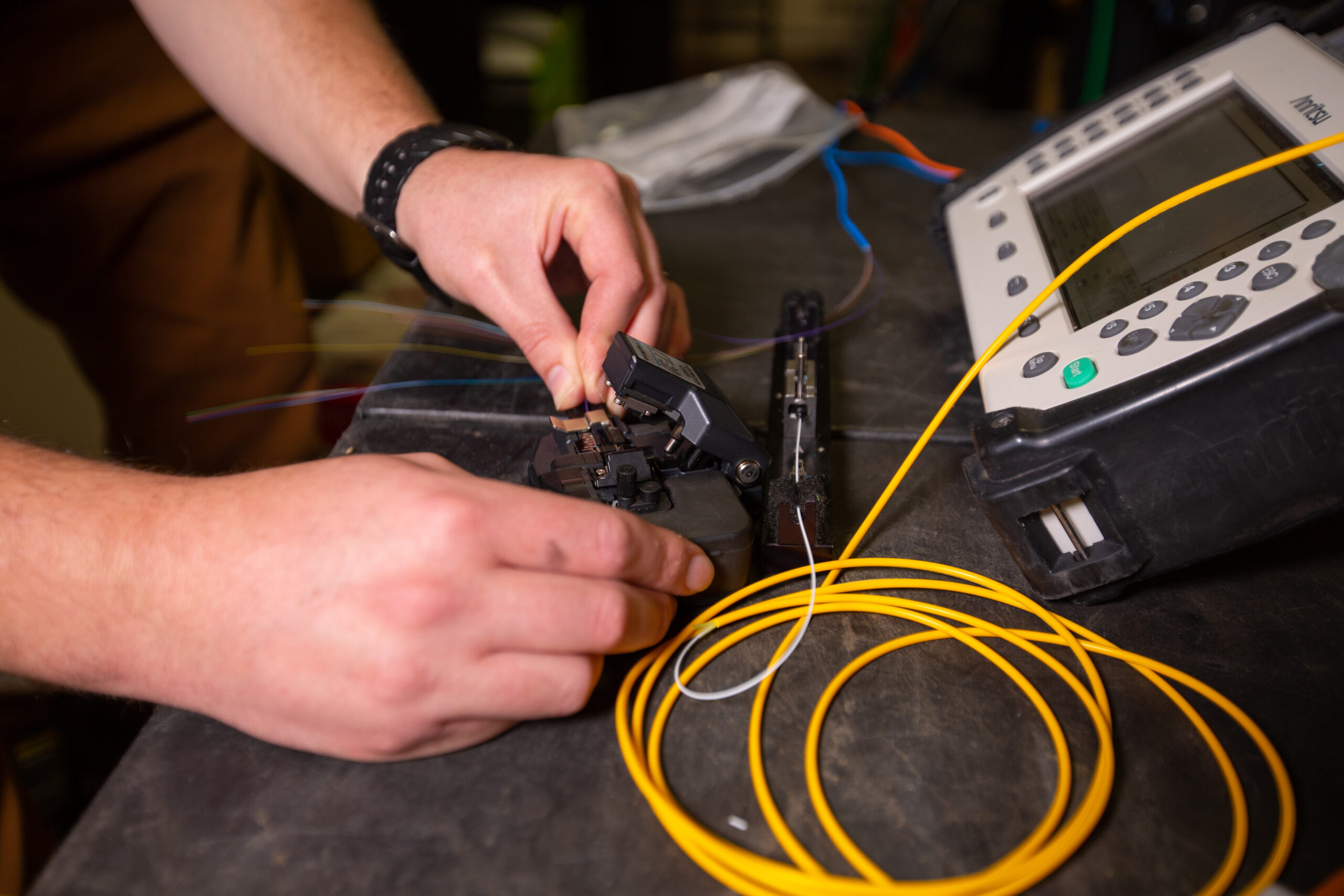
  • Identifying and documenting the fiber paths in a network by physically inspecting, testing and investigating the network.   
  • Optical testing from FTP to FTP to get information.  
  • In extreme cases, opening slice cases between endpoints.  
  • Creating a detailed splice sheet that documents the cables in each case and the corresponding splicing assignments. 
  • Verification on splice assignments by tracing each individual fiber in a cable and recording those which are spliced together  

Celerity’s portfolio contains Fiber Auditing projects across the country and ranges from small-scale campus environments to large-scale regional and national networks.  

Considering a fiber audit? For more information visit Well Planned Services | Fiber Audits » Celerity Integrated Services or contact us at info@nextmiletech.com

July 8, 2025

Building Smarter Healthcare Networks with Fiber Optics

In today’s medical field, connectivity is no longer a luxury; it is a necessity. That is why more hospitals and medical systems are turning to fiber optic solutions to connect their facilities, and Celerity is proud to be helping them do it.  

Why Healthcare Organizations Are Building Their Own Fiber Network  

  1. Increased Bandwidth Capabilities: Healthcare tools like AI diagnostics, VR rehab, and medical imaging demand significant bandwidth. With fiber, providers can transmit large files quickly between facilities without depending on other alternatives.  
  2. Private and Secure: Building your own fiber network ensures that only your traffic runs through the fiber. This improves patient record privacy and compliance with regulations like HIPAA. 
  3. The Future: A private fiber network offers the ability to increase or decrease bandwidth as needed. This avoids negotiating contracts or waiting for third-party decisions.  
  4. Complete Control: When you control your own bandwidth between sites, you gain insights into how it flows, allocated, and where there may be issues.  

How Celerity Can Help

Celerity can provide:  

  • Route planning and fiber design  
  • Permitting and ROW services  
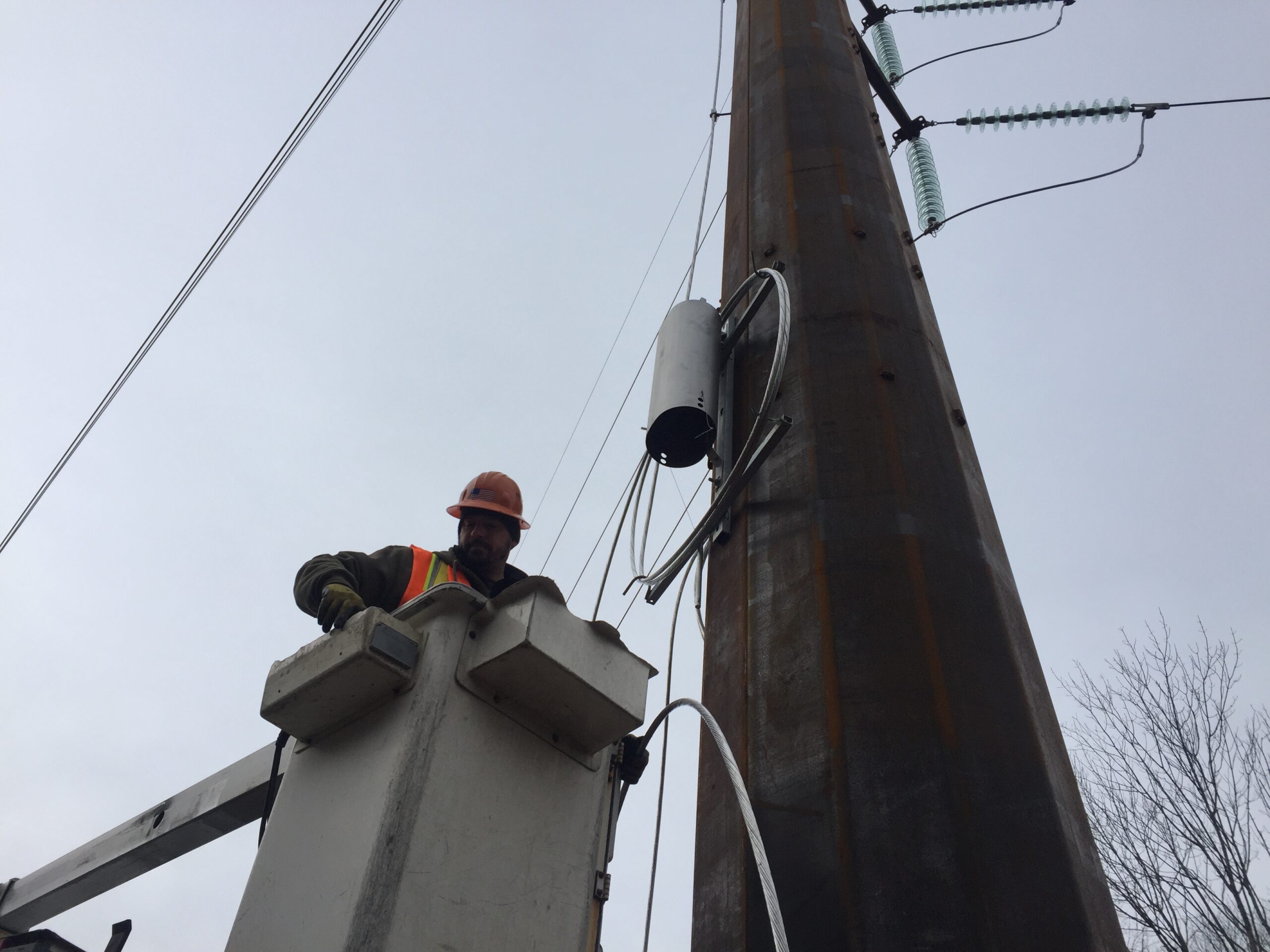
  • Aerial and underground fiber construction 
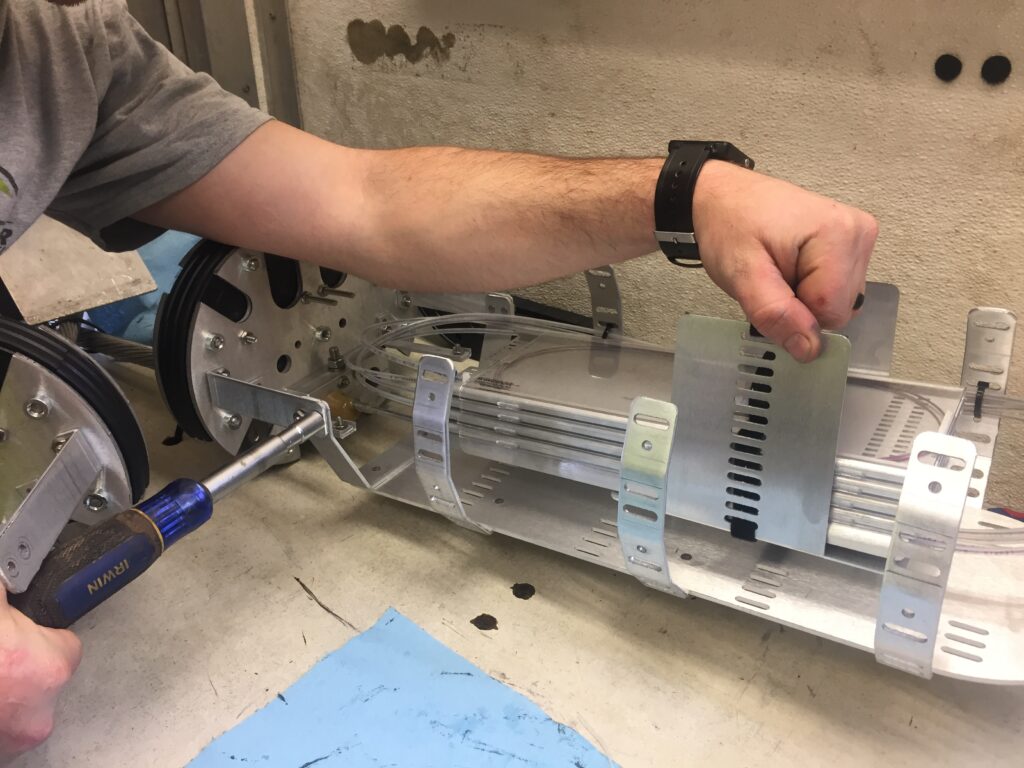
  • Testing, documentation, and maintenance 
  • Upgrade support  
  • 24/7 Emergency Response with SLA guaranteed response times. 

Celerity is here to help you build a healthcare fiber network that meets your mission. Reach out to us today to explore how we can support your goals.  

Contact Us

Name

footer-logo

Subscribe to our newsletter to stay Well Connected with Celerity Integrated Services, Inc.

Contact Us

3500 AM Drive,
Quakertown, PA 18951

P 215 538 1600
F 215 538 1602

info@nextmiletech.com

proview

© 2025 Celerity Integrated Services. Privacy Policy. Site by Smith & Howell Design Co.

Back to top Arrow