The Hidden Crisis Slowing Down Our Schools
When students at Lincoln Elementary returned from winter break last year, something felt different. Their teachers had planned exciting new digital lessons, complete with virtual field trips to the Smithsonian and collaborative projects with a classroom in Japan. But within minutes of logging on, the familiar frustration returned. Video froze. Files refused to upload. The digital promise of modern education collided with the reality of aging copper cables that simply could not keep up.
This scene plays out daily in thousands of schools across America. While we ask our teachers to prepare students for a digital future, we expect them to do it on infrastructure built for a dial-up past. The gap between educational ambition and technological reality has never been wider, and the students who need the most support are often the ones stuck with the slowest connections.
Why K-12 School Fiber Installation Changes Everything
K-12 school fiber installation represents more than just faster internet. It is the foundation for educational equity. Unlike copper cables that degrade over distance and struggle with modern bandwidth demands, fiber optic cables transmit data at the speed of light, delivering symmetrical upload and download speeds that make video conferencing, cloud collaboration, and digital assessments actually work.
The numbers tell a compelling story. Schools with robust fiber connections report measurable improvements in student engagement, teacher satisfaction, and even standardized test scores. A 2025 report from the State Educational Technology Directors Association found that districts meeting the FCC's 1 Mbps per student connectivity goal saw a 12 percent increase in digital learning tool adoption compared to those still struggling with inadequate bandwidth (https://www.setda.org/wp-content/uploads/2025/01/SETDA_UCI-Report-2025_Official.pdf).
E-Rate Funding: Your School's Best Kept Secret
Most school administrators have heard of E-rate but few understand its full potential. The Universal Service Program for Schools and Libraries, better known as E-rate, releases $3.9 billion annually to help educational institutions afford high-speed internet and modern telecommunications services. This is not a loan program. It is a discount program that can cover up to 90 percent of eligible costs (https://www.fcc.gov/consumers/guides/universal-service-program-schools-and-libraries-e-rate).
What many districts miss is that E-rate funding specifically covers K-12 school fiber installation projects. The program divides eligible expenses into two categories. Category One covers the actual internet connection to your school building, while Category Two funds the internal network infrastructure, including the fiber cabling that runs through your hallways and into each classroom.
The application process follows a predictable annual cycle administered by the Universal Service Administrative Company. It starts with competitive bidding in the fall, moves through application review in winter, and results in funding commitments by spring. Schools that start planning in September can have fiber installation contracts signed and ready for summer construction, minimizing classroom disruption.
Real Schools, Real Results from Fiber Installation
The transformation happens faster than most expect. Take the experience of a Pennsylvania school district that Celerity partnered with on a recent fiber network build. The district serves 4,200 students across six buildings, many in rural areas where internet options had been limited to aging DSL connections. Teachers had stopped attempting video conferences because the lag made them impossible.
After completing the K-12 school fiber installation over one summer, the district reported immediate changes. Within the first month, student device usage during learning activities increased by 40 percent. Teachers who had previously avoided technology integration began experimenting with new tools. Perhaps most telling, parent complaints about students being unable to complete online homework assignments dropped to nearly zero.
The district's technology director shared, "For the first time, our infrastructure is not the limiting factor. When a teacher has an idea for a digital lesson, they can actually implement it without worrying whether the network can handle it."
Another success story comes from a mid-sized suburban district that upgraded to fiber specifically to support their one-to-one device program. They had purchased tablets for every student but quickly realized their existing network could not support 2,000 devices trying to connect simultaneously. After the fiber upgrade, not only did the device program work as intended, but the district saw a 15 percent reduction in disciplinary issues related to technology frustration, according to internal district reporting shared with our team.
The Critical Role of Ongoing Maintenance
Here is where many school districts make a costly mistake. They invest hundreds of thousands of dollars in K-12 school fiber installation but fail to plan for ongoing maintenance. Fiber networks are incredibly reliable, but they are not maintenance-free. The connectors need periodic cleaning, splices require testing, and physical damage from construction or severe weather can create outages that bring learning to a halt.
Ongoing maintenance plans should include quarterly inspections of splice cases, annual testing of fiber characterization to ensure optimal performance, and 24/7 emergency response capabilities for unexpected outages. The most successful districts we work with treat their fiber network like any other critical infrastructure, budgeting for maintenance just as they would for HVAC or electrical systems.
The good news is that E-rate funding can also support ongoing maintenance costs. Many districts do not realize that Category Two budgets can be used for maintenance and technical support, creating a sustainable funding model that protects their infrastructure investment year after year.
Planning Your K-12 School Fiber Installation Project
Starting a K-12 school fiber installation project requires careful planning, but the process is more straightforward than most administrators fear. The first step is conducting a feasibility study to map your existing infrastructure and identify the optimal fiber routes. This study should also include a needs assessment that projects your bandwidth requirements for the next five to ten years.
Next comes the engineering phase, where detailed plans are created for both the external fiber routes and the internal network design. This is also when you will identify any permitting requirements, particularly if your fiber will use utility poles or require underground construction in public right-of-way.
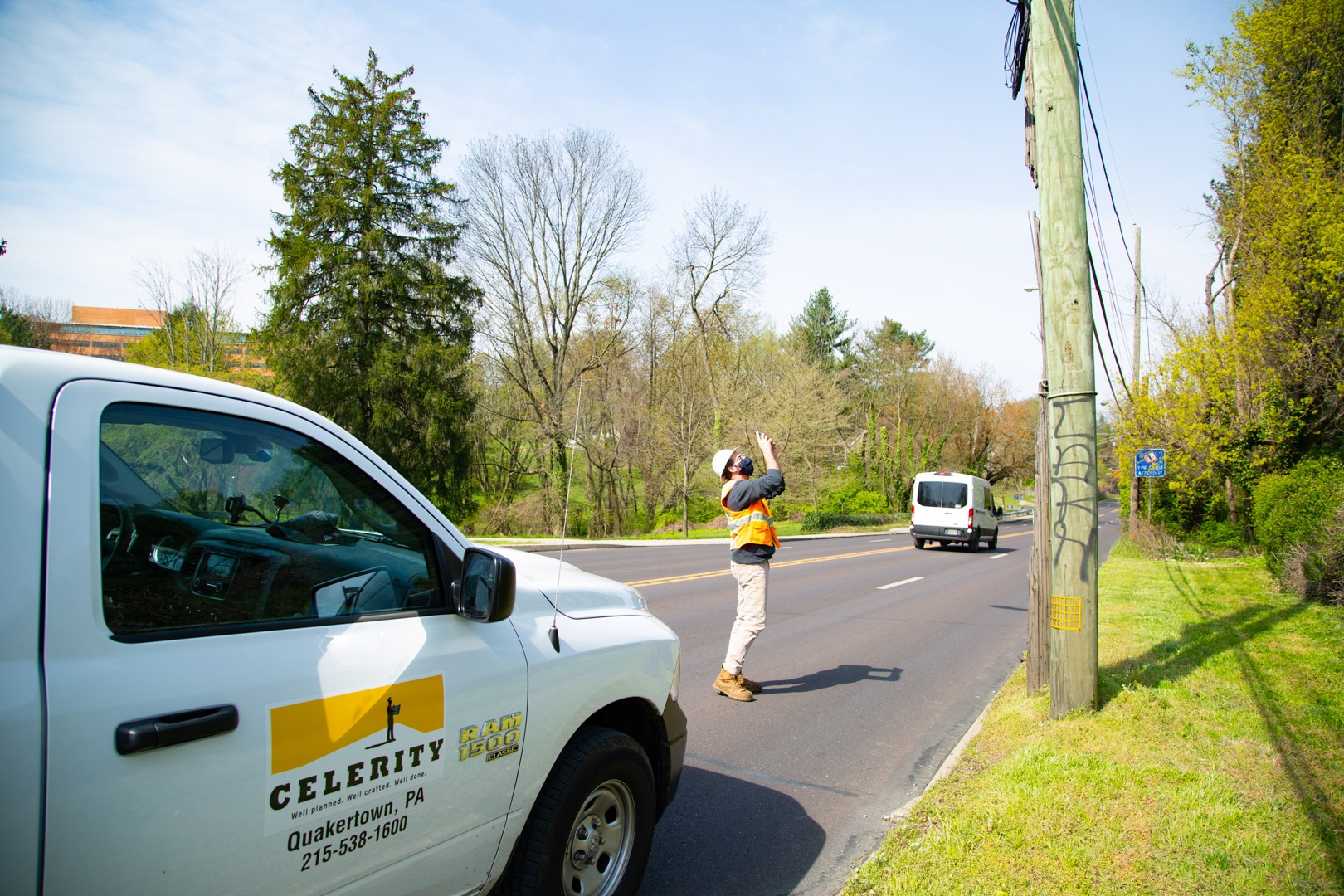
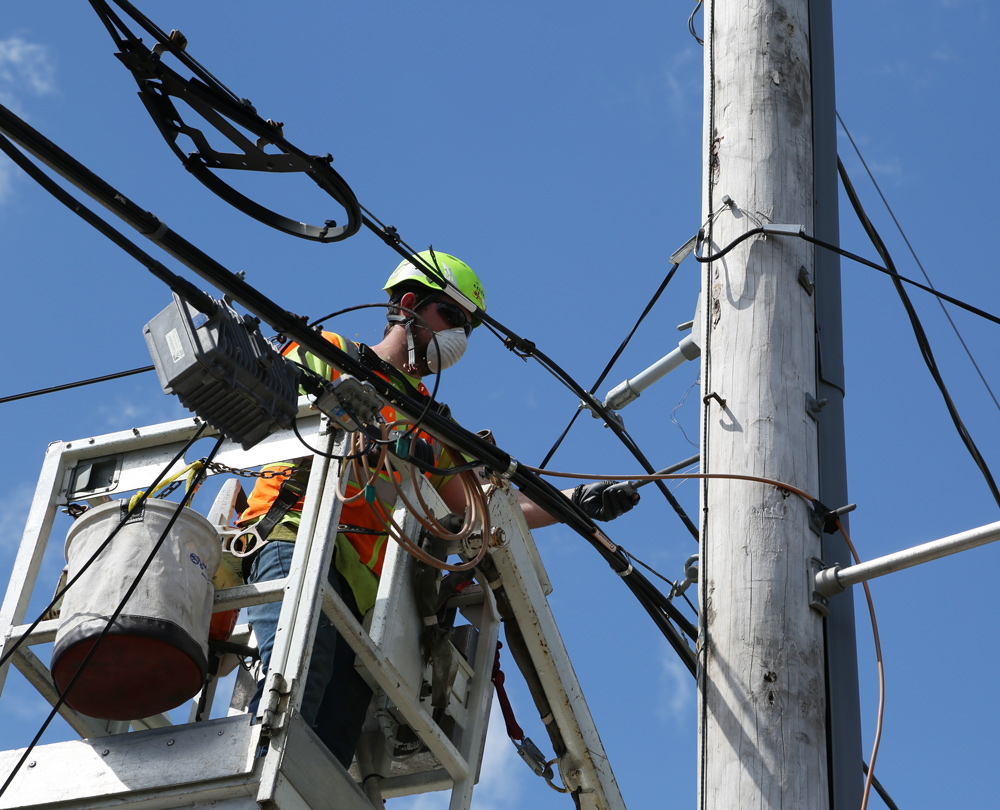
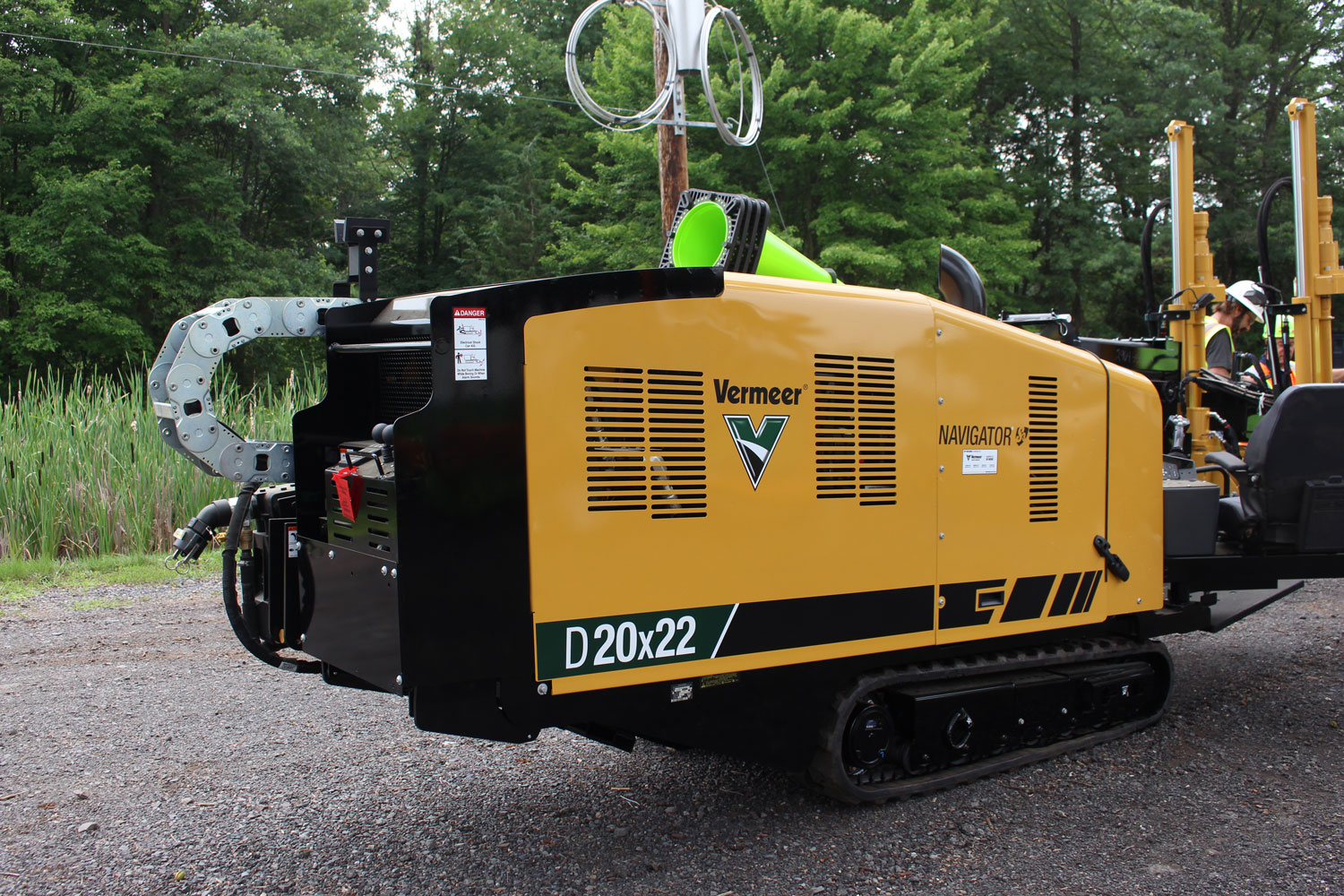
The installation phase typically happens during summer breaks to avoid classroom disruption. Aerial construction, underground directional drilling, and fiber splicing all require specialized crews with experience in educational environments. The best contractors understand that school schedules are non-negotiable and plan their work accordingly.
Finally, comprehensive testing and documentation ensure that your network performs as designed and that you have the records needed for future expansion or troubleshooting. This documentation becomes invaluable when you need to add capacity or respond to network issues.
The Financial Case for Acting Now
Beyond the educational benefits, fiber installation makes financial sense. Schools with adequate bandwidth spend 30 percent less per student on technology support because teachers and students encounter fewer connectivity issues that require IT intervention. The cost of network downtime during standardized testing alone can justify the investment, as even brief outages can require expensive retesting and create compliance issues.
E-rate funding combined with state broadband grants can reduce your out-of-pocket costs to as little as 10 percent of the total project cost. For a typical elementary school, this means a $200,000 fiber installation might cost the district only $20,000 after discounts. When spread across a 20-year network lifespan, the annual cost becomes negligible compared to the educational benefits.
Your Next Steps Toward Better Connectivity
The schools that thrive in the next decade will be those that act decisively now. K-12 school fiber installation is not a luxury or a future consideration. It is the essential infrastructure that modern education requires. The combination of available funding, proven educational outcomes, and increasingly affordable installation costs creates a rare window of opportunity.
Every month of delay means another month where your students and teachers work with one hand tied behind their backs. The technology will only become more central to education, and the gap between schools with adequate infrastructure and those without will widen.
Ready to Connect Your Classrooms?
Celerity Integrated Services specializes in K-12 school fiber installation projects across the Mid-Atlantic region. Our team understands both the technical requirements of fiber networks and the unique constraints of educational environments. We have helped dozens of school districts navigate the E-rate application process, design cost-effective fiber solutions, and maintain their networks for optimal performance.
Our comprehensive services include feasibility studies, engineering design, professional installation, and ongoing maintenance programs tailored to your district's needs. We know that every school is unique, and we take pride in creating custom solutions that fit your budget, timeline, and educational goals.
Take the first step toward transforming your school's connectivity. Contact us today for a complimentary consultation on your fiber installation project and E-rate funding strategy. Our education specialists will review your current infrastructure, discuss your goals, and help you understand the funding options available to make your vision a reality.
Schedule your free E-rate consultation now and discover how we can help you build the network your students deserve.