The Mid-Atlantic region is experiencing unprecedented growth in fiber infrastructure. According to the Fiber Broadband Association, U.S. home fiber deployments set a 13% growth record in 2024 alone, with 76.5 million homes now passed by fiber broadband networks. Maryland sits at the center of this expansion. But here's what most project managers discover too late: not all fiber splicing contractors operate with the same level of transparency or technical precision.
The difference between a contractor who simply completes a job and one who becomes a trusted partner often comes down to three things: process transparency, regional expertise, and a verifiable track record. Let's break down exactly what that looks like in practice.
Why Process Transparency Matters in Fiber Splicing Projects
The phrase “trust but verify” is a fundamental principle of effective project management. When investing hundreds of thousands of dollars in underground fiber construction, companies need more than promises. They need documentation, real-time updates, and contractors who welcome questions rather than dodge them.
Process transparency starts before the first splice is made. A reputable contractor walks through their methodology, explains their quality control checkpoints, and provides detailed project timelines. They offer transparency and show how they'll get there.
In our work with clients across Pennsylvania, Virginia, and Maryland, we've seen the consequences when contractors skip documentation. One municipal client came to us after their previous contractor completed a network build but provided no splice records. When a fiber break occurred six months later, troubleshooting took three times longer than necessary because nobody knew the exact splice locations or baseline performance metrics.
Transparency also means honest conversations about challenges. Underground construction in Maryland presents unique obstacles. Contractors who've worked extensively in the region know these challenges and plan accordingly.
The Technical Standards That Separate Good from Great
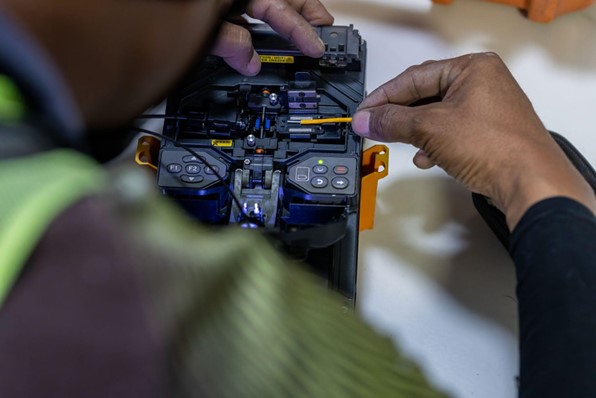
Not all fusion splices are created equal. Industry standards exist for a reason and understanding them helps evaluate contractor capabilities. Top-tier fiber splicing contractors in Maryland invest in state-of-the-art equipment and maintain rigorous calibration schedules. Fusion splicers, OTDRs, and power meters require regular calibration to ensure accuracy. When evaluating contractors, ask about their equipment maintenance protocols. How often do they calibrate their test equipment? What brands do they use? Can they provide calibration certificates?
Certifications also matter. Look for contractors whose technicians hold credentials from recognized organizations like the Fiber Optic Association or manufacturers like Corning. These certifications represent hundreds of hours of training and demonstrated competency.
The physical environment where splicing occurs also impacts quality. Purpose-built splice vans with climate control protect sensitive fiber from temperature fluctuations and contamination. Contractors who splice in the back of pickup trucks or uncontrolled environments introduce unnecessary risk. Dust, moisture, and temperature extremes all degrade splice quality.
Quality assurance extends beyond individual splices. Comprehensive testing includes bidirectional OTDR traces, insertion loss measurements, and return loss verification. These tests create a baseline performance record that proves invaluable for future maintenance and troubleshooting. A contractor who rushes through testing or skips documentation is cutting corners that will carry a cost later.
Regional Expertise in the Mid-Atlantic: Why Local Knowledge Counts
Contractors with deep Mid-Atlantic experience understand regional nuances. They know which counties require specific permitting documentation. They've built relationships with utility companies for pole attachment agreements. They understand Maryland Department of Transportation requirements for work in state rights-of-way.
This regional knowledge translates directly to project efficiency. An experienced contractor anticipates permitting timelines, plans for seasonal weather impacts, and knows which local suppliers stock specialized materials.
Consider underground fiber construction across state lines. Coordinating permits, managing different utility companies, and navigating varying construction standards requires contractors who've done it before. The learning curve for contractors new to the region often results in delays and budget overruns.
Local expertise also means understanding the Mid-Atlantic's fiber infrastructure landscape. Major fiber routes run along I-95, I-270, and I-70 corridors. Knowing where existing infrastructure exists helps identify cost-effective connection points and avoid redundant construction.
Red Flags to Watch For When Evaluating Contractors
Some warning signs appear early in the contractor selection process. A contractor who can't provide detailed references from similar projects should raise immediate concerns. Ask for specific project examples in Maryland or neighboring states. Request contact information for previous clients and actually call them.
Vague pricing proposals signal trouble ahead. Legitimate contractors provide itemized estimates that break down labor, materials, equipment, and testing costs. If a bid seems significantly lower than others, there's usually a reason. Low-ball bids often hide change order strategies or substandard work quality.
Communication patterns during the proposal phase predict communication during the project. Does the contractor respond promptly to questions? Do they provide clear, jargon-free explanations? Are they willing to walk through their process in detail? Contractors who are difficult to reach or evasive during sales conversations don't improve once they have a contract.
Insurance and bonding documentation isn't optional. Verify that contractors carry adequate general liability insurance, workers' compensation coverage, and performance bonds appropriate to the project size. Request certificates of insurance and verify them directly with the insurance carrier.
Finally, be wary of contractors who discourage site visits or observation during construction. Transparent contractors welcome client oversight. They're proud of their work and happy to demonstrate their processes. Contractors who want to work behind closed doors usually have something to hide.
What to Expect from a Professional Fiber Splicing Partnership
The best contractor relationships feel like partnerships, not transactions. From initial consultation through project closeout, professional contractors maintain consistent communication and deliver on commitments.
A thorough project kickoff meeting sets expectations for everyone involved. This meeting should cover project timelines, communication protocols, safety procedures, and quality standards.
During construction, expect regular progress updates. Weekly status reports should include completed work, upcoming activities, any challenges encountered, and photos documenting progress. Modern contractors use project management software that provides real-time visibility into project status.
Quality documentation is what separates professional contractors from the rest. Upon project completion, the client should receive comprehensive as-built drawings, splice records with OTDR traces, test results for every fiber, and equipment warranty information. This documentation becomes a critical part of the organization’s permanent network records.
Professional contractors also provide training for maintenance staff, walking teams through the network layout, explaining splice locations, and demonstrating proper testing procedures. This knowledge transfer ensures the client can effectively manage and maintain the network long after the contractor’s work is complete.
Post-project support matters too. Questions inevitably arise after project completion. Responsive contractors remain available to answer questions, provide additional documentation, or troubleshoot issues. Some offer ongoing maintenance agreements that provide peace of mind and ensure optimal network performance.
Making the Decision: Questions to Ask Before Signing
Armed with the right questions, you can quickly separate qualified contractors from pretenders. Start with project-specific experience:
- "How many fiber splicing projects have you completed in Maryland in the past two years?"
- "Can you provide references from three similar projects?"
Dig into their technical capabilities:
- "What fusion splicing equipment do you use, and when was it last calibrated?"
- "What tests do you perform on every splice, and what documentation do you provide?"
Understand their team structure:
- "Who will be the project manager, and what's their experience level?"
- "What portions of the work will you self-perform versus subcontract?"
Clarify communication expectations:
- "How often will you provide progress updates, and in what format?"
- "Walk me through how you handle unexpected challenges or delays."
Finally, address the documentation:
- "What deliverables will I receive upon project completion?" The answer should include as-built drawings, test results, splice records, and warranty information.
Next Step: Partner with Proven Mid-Atlantic Experts
Choosing fiber splicing contractors in Maryland doesn't have to feel like a gamble. When clients prioritize process transparency, verify regional expertise, and ask the right questions, they find partners who deliver quality work and peace of mind.
At Celerity, we've built our reputation on transparent processes, technical excellence, and deep Mid-Atlantic expertise. Our team has completed projects across Maryland, Virginia, and Pennsylvania, from complex urban builds to rural broadband deployments. We document every splice, test every fiber, and stand behind our work with comprehensive warranties and ongoing support.
Our fiber optic splicing services include fusion splicing, ribbon splicing, OPGW and ADSS splicing, comprehensive OTDR testing, and emergency restoration. We maintain purpose-built splice vehicles with climate-controlled environments and state-of-the-art equipment that's regularly calibrated to manufacturer specifications.
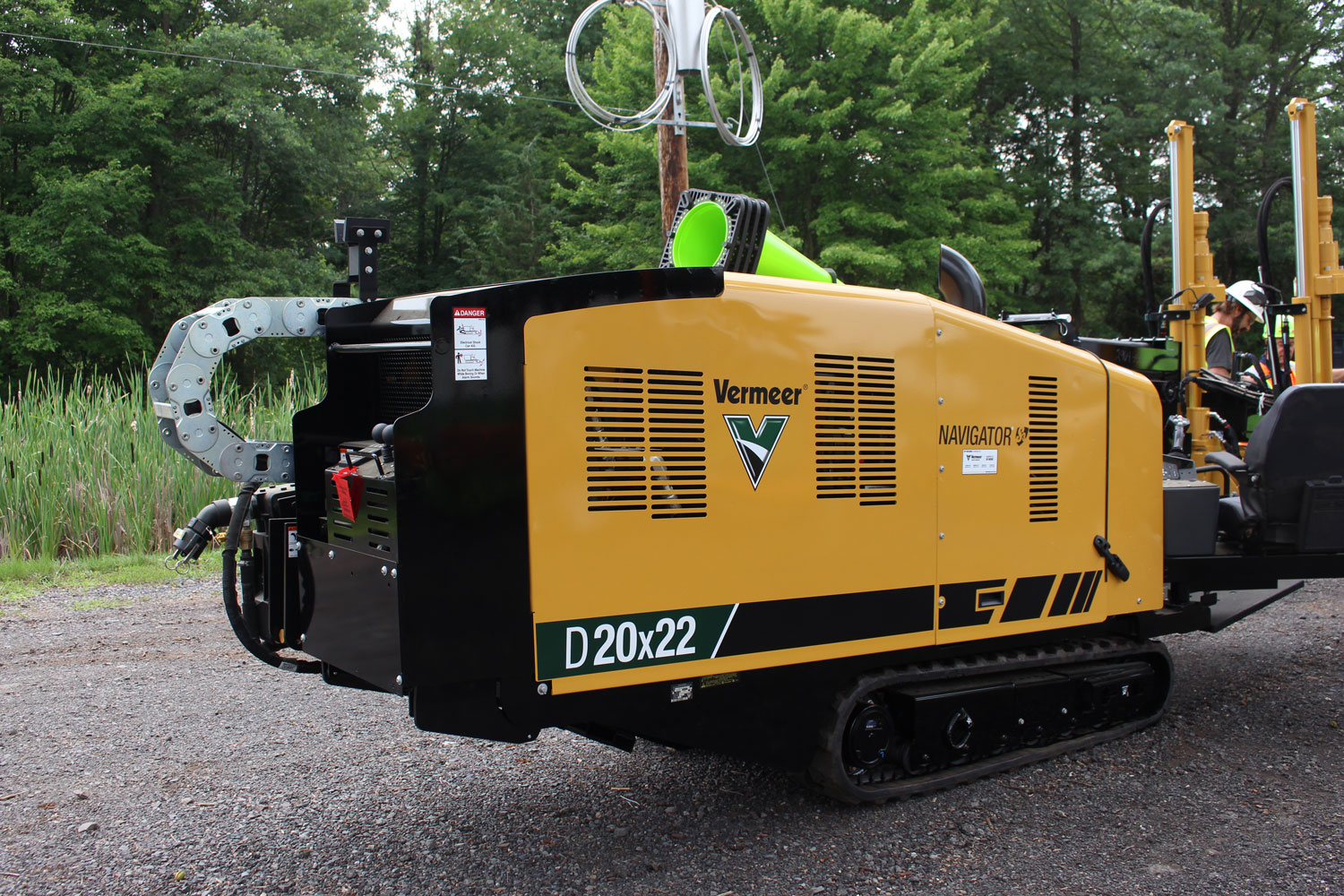
For underground projects, our underground construction capabilities cover everything from manhole placement and directional drilling to FTTX construction and emergency restoration. We handle permitting, utility coordination, and all aspects of project management so you can focus on your core business.
Ready to discuss your fiber optic project? Contact our team for a detailed consultation and project bid. Let's build infrastructure that lasts.