The moment construction crews finish installing the last fiber strand, many network owners breathe a sigh of relief. The hard part is over, right? Not quite. What happens in the hours and days immediately following installation often determines whether a fiber network becomes a reliable asset or an expensive liability. This critical phase is called fiber network validation and skipping it can cost organizations hundreds of thousands of dollars in downtime, repairs, and lost productivity.
According to research from Gartner, network downtime costs businesses an average of $5,600 per minute. That translates to more than $336,000 per hour when networks fail. Yet many organizations still treat post-installation validation as an optional checkbox rather than the essential safeguard it truly represents. The difference between a network that performs flawlessly for decades and one that fails within months often comes down to how thoroughly it was validated after installation.
What Fiber Network Validation Really Means
Fiber network validation is the comprehensive process of testing, verifying, and documenting every aspect of a newly installed fiber optic system before it goes live. Think of it as the final quality inspection before a product ships to customers.
The validation process examines three critical dimensions of network performance. First, it confirms that every fiber strand transmits light signals within acceptable parameters. Second, it verifies that all connections, splices, and terminations meet industry standards for loss and reflectance. Third, it creates detailed documentation that serves as a baseline for future maintenance and troubleshooting.
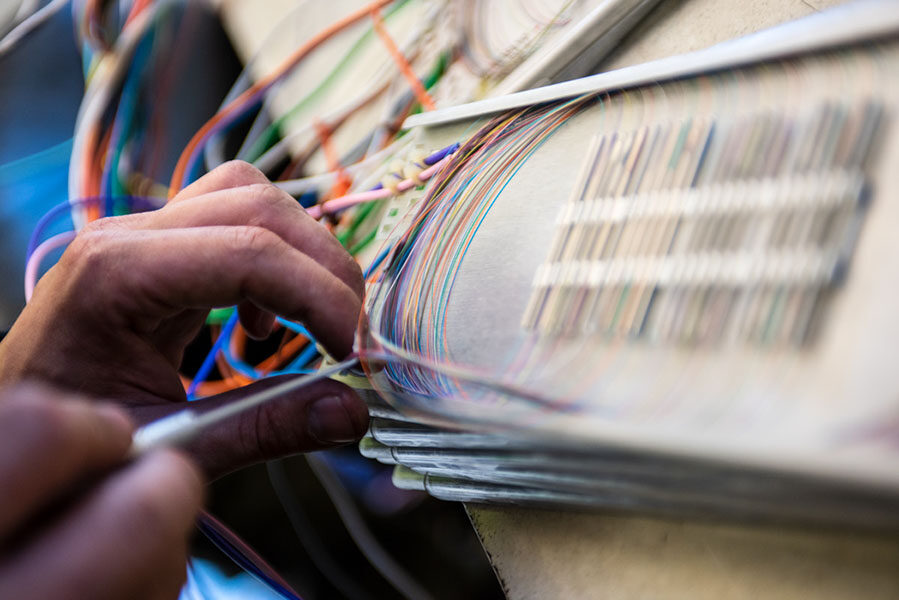
In our work with telecommunications providers and enterprise clients across the country, we've seen firsthand how proper validation prevents problems that would otherwise surface months or years later. A fiber strand that passes visual inspection might still have microscopic defects that cause signal degradation. A splice that looks perfect to the naked eye could introduce excessive loss that limits network capacity. These hidden issues only reveal themselves through systematic testing with specialized equipment.
The Three Phases of Acceptance Testing
Professional fiber network validation follows a structured approach that leaves nothing to chance. The process begins with visual inspection, advances to technical testing, and concludes with comprehensive documentation. Each phase builds on the previous one to create a complete picture of network health.
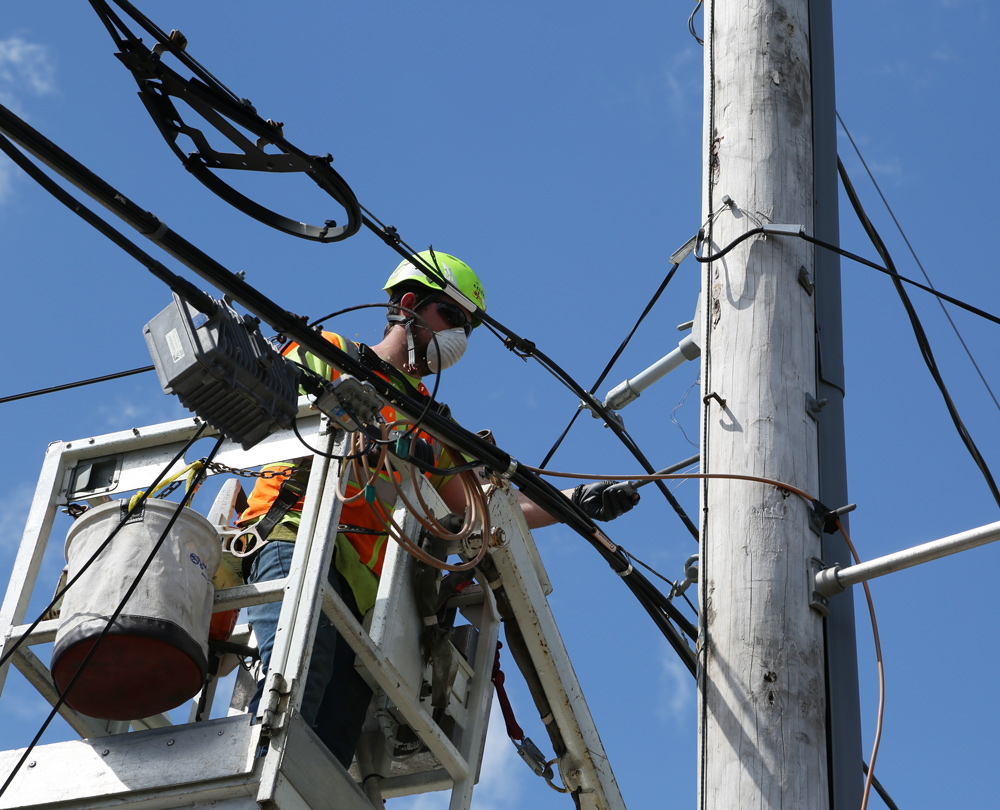
Visual inspection starts the moment installation crews finish their work. Experienced technicians walk the entire cable route, examining every accessible section for potential issues. They check that cables follow the planned path without excessive tension or sharp bends that could damage delicate glass fibers. They verify that splice enclosures are properly sealed against moisture and that all equipment rooms meet environmental requirements. This hands-on examination catches obvious problems before they complicate technical testing.
The visual phase pays special attention to connector end faces, where microscopic contamination causes the majority of fiber optic failures. Even particles invisible to the naked eye can block light transmission or create reflections that disrupt network equipment. Professional validation includes cleaning every connector with lint-free materials and inspecting them under high-magnification microscopes. This seemingly minor step prevents countless service calls and performance complaints down the road.
Technical testing forms the heart of the validation process. This phase uses sophisticated instruments to measure how light behaves as it travels through the network. An Optical Time Domain Reflectometer, commonly called an OTDR, sends precise light pulses down each fiber strand and analyzes the reflections that bounce back. This technique reveals the exact location and severity of any defects, from poor splices to fiber breaks to excessive bending.
The OTDR creates a visual trace that shows every event along the fiber path. Skilled technicians interpret these traces to identify problems that need correction. They measure insertion loss at connectors, verify splice quality, check for macro-bends and micro-bends that increase attenuation, and confirm that overall link loss falls within acceptable limits. Testing occurs at multiple wavelengths, typically 1310nm and 1550nm for single-mode fiber, to ensure performance across the spectrum of light the network will use.
Power meter testing complements OTDR analysis by measuring end-to-end loss with a different methodology. A calibrated light source connects to one end of the fiber while a power meter measures signal strength at the opposite end. This straightforward approach validates that the complete link meets performance specifications. When OTDR and power meter results align, it provides strong confidence in network quality.
Documentation completes the validation triangle. Every test result, every measurement, every observation gets recorded in detailed reports that become part of the network's permanent record. These documents prove that the installation meets contractual requirements and industry standards. More importantly, they establish a baseline for future comparison. When problems arise months or years later, technicians can compare new test results against the original validation data to pinpoint exactly what changed.
Industry Standards That Guide Validation
Fiber network validation doesn't happen in a vacuum. Multiple industry organizations have developed detailed standards that specify exactly how testing should occur and what results are acceptable. These standards ensure consistency across projects and provide objective criteria for acceptance decisions.
The Telecommunications Industry Association publishes the TIA-568 series of standards that govern commercial building telecommunications cabling. These documents specify testing procedures, performance requirements, and documentation formats for fiber optic installations. Following TIA standards ensures that networks meet widely recognized benchmarks for quality and reliability.
BICSI, the Building Industry Consulting Service International, provides additional guidance through training programs and best practice documents. The NECA/FOA 301 standard, developed jointly by the National Electrical Contractors Association and the Fiber Optic Association, offers comprehensive requirements for installing and testing fiber optic systems. Network owners who require compliance with these standards gain assurance that their installations follow proven methodologies.
Standards specify acceptable loss budgets based on fiber type, connector style, and network architecture. They define proper testing procedures including launch cable requirements, test wavelengths, and measurement accuracy. They establish documentation requirements that ensure future technicians can understand and maintain the network. Adherence to these standards transforms validation from a subjective judgment into an objective, repeatable process.
Why Documentation Standards Matter More Than You Think
The testing phase gets most of the attention, but documentation often proves equally valuable over a network's lifetime. Comprehensive records serve multiple purposes that extend far beyond initial acceptance. They provide insurance documentation in case of damage claims. They guide troubleshooting when performance issues arise. They enable efficient upgrades and expansions by showing exactly what exists and where.
Effective documentation includes detailed splice sheets that map every fiber connection throughout the network. It contains OTDR traces for every tested fiber, showing the signature of the network in pristine condition. It lists all equipment serial numbers, cable types, and connector styles used in the installation. It includes photographs of critical locations and as-built drawings that reflect any changes from original plans.
In our fiber auditing work, we regularly encounter networks where documentation has become unreliable or disappeared entirely. Repairs weren't recorded, employees moved on without transferring knowledge, or records were never created properly in the first place. Restoring accurate documentation through field audits costs significantly more than creating it correctly during initial validation. Organizations that invest in thorough network documentation during validation save money and frustration throughout the network's operational life.
The Real Cost of Skipping Validation
Some organizations view post-installation validation as an unnecessary expense that delays network activation. This short-term thinking ignores the substantial risks that unvalidated networks carry. Problems that could be identified and corrected during validation often multiply into expensive emergencies once the network goes live.
Consider a splice with slightly excessive loss that goes undetected during installation. Initially, the network functions adequately because it has margin to spare. Over time, as additional connections are made or environmental factors cause minor degradation, that marginal splice becomes a bottleneck. Eventually, it causes intermittent failures that are difficult to diagnose because no baseline documentation exists. Technicians spend hours troubleshooting, users experience frustrating outages, and the organization pays for multiple service calls to resolve an issue that should have been caught during validation.
Unvalidated networks also create liability concerns. If a network fails to meet contractual specifications, but no validation testing occurred, disputes become difficult to resolve. Did the contractor deliver substandard work, or did problems develop after acceptance? Without validation data, answering that question becomes expensive and contentious. Proper validation protects both network owners and installation contractors by establishing clear acceptance criteria and documenting compliance.
How Professional Validation Services Work
Organizations that lack in-house expertise often partner with specialized firms that provide comprehensive validation services. These providers bring experienced technicians, calibrated test equipment, and deep knowledge of industry standards to every project. They serve as independent third parties who verify that installations meet specifications regardless of who performed the construction work.
Professional validation begins with understanding the network's intended use and performance requirements. Different applications demand different testing approaches. A network supporting high-speed data transmission requires more stringent testing than one carrying basic voice traffic. Validation specialists tailor their approach to match the network's criticality and performance targets.
The validation team arrives with a complete toolkit of specialized instruments. Modern OTDR units can test multiple fibers simultaneously and generate automated reports that speed the documentation process. Fiber inspection microscopes with digital cameras capture images of connector end faces for permanent records. Power meters and light sources calibrated to traceable standards ensure measurement accuracy. This professional-grade equipment delivers results that basic tools cannot match.
After completing all testing, validation specialists compile comprehensive reports that present results in clear, understandable formats. These reports highlight any issues that require attention and confirm that all acceptable parameters have been met. They provide the documentation that network owners need for acceptance decisions, warranty claims, and future reference.
Moving Forward With Confidence
Fiber network validation represents the bridge between construction and operation. It transforms a physical installation into a verified asset ready for production use. Organizations that treat validation as an essential investment rather than an optional expense position themselves for long-term success with reliable, well-documented networks.
For network owners evaluating new installations or considering audits of existing infrastructure, professional fiber optic testing and validation services offer peace of mind and tangible value. The relatively modest investment in comprehensive testing and documentation pays dividends through reduced downtime, simplified troubleshooting, and extended network life. In an era where connectivity drives business success, ensuring that fiber networks perform reliably isn't optional—it's essential.
Whether you're planning a new fiber deployment or need to validate existing infrastructure, partnering with experienced professionals who understand both the technical requirements and business implications makes all the difference. Our team at Celerity brings decades of combined experience in fiber optic splicing, testing, and validation to every project. We don't just test networks—we ensure they're built to last.