Telecommunications companies, municipalities, and private enterprises invest billions in fiber optic infrastructure projects. Yet according to industry data, nearly 40% of these initiatives encounter significant cost overruns or timeline delays that could have been prevented with proper upfront planning. The difference between a successful fiber deployment and a financial setback often comes down to one critical step: a comprehensive fiber optic feasibility study.
Whether a municipality is exploring broadband expansion, a utility company is planning network upgrades, or a private developer is evaluating fiber-to-the-premises opportunities, understanding the true scope of a project before breaking ground is essential. A fiber optic feasibility study serves as a roadmap, revealing hidden costs, regulatory hurdles, and timeline realities that can determine the project’s ultimate return on investment.
What Makes Fiber Feasibility Studies Critical for Project Success
A proper fiber optic feasibility study examines every dimension of a proposed network deployment. It answers the questions that keep executives awake at night: What will this actually cost? How long will it really take? What regulatory obstacles stand in our way? Can the company achieve the ROI its stakeholders expect?
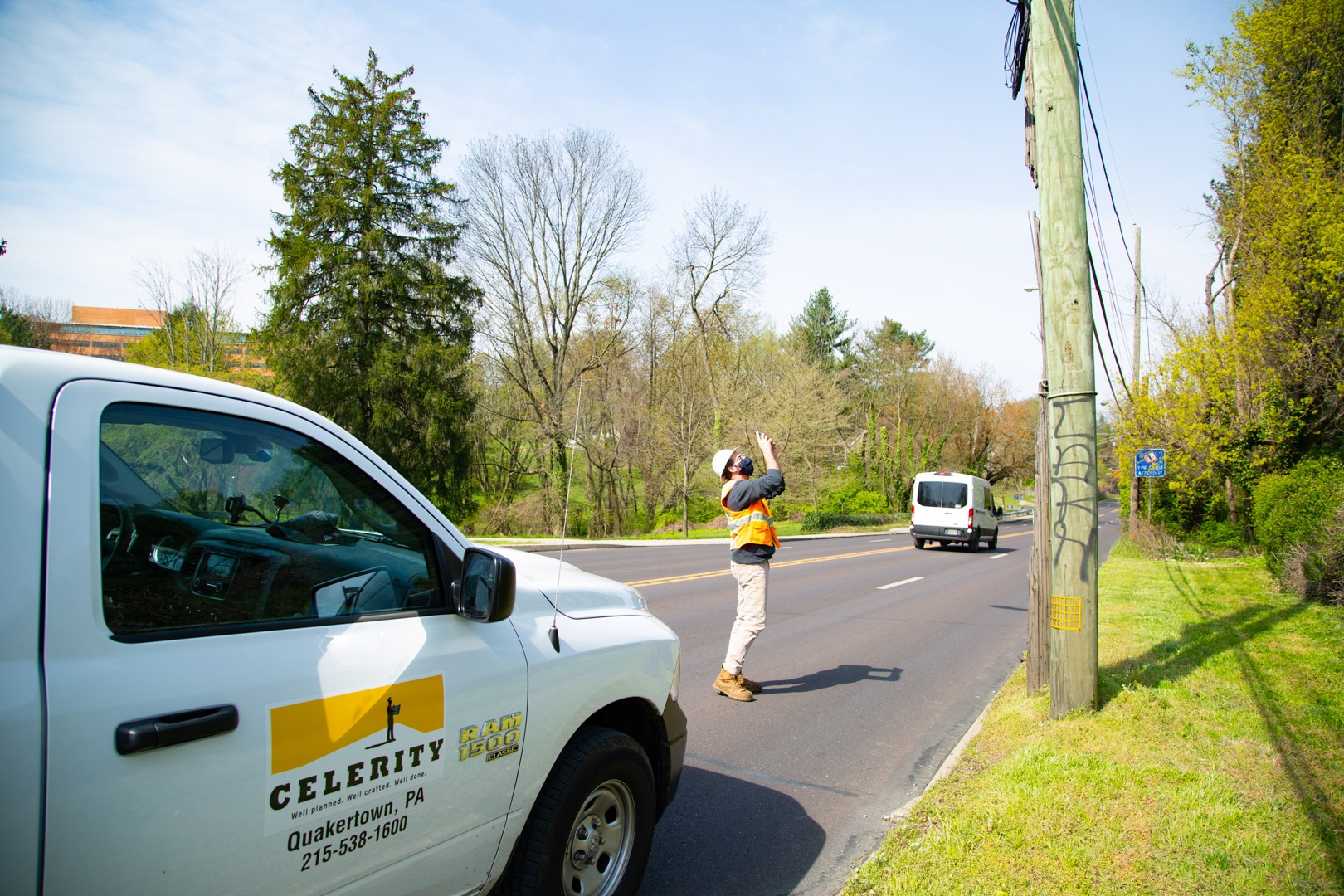
The study process typically encompasses route analysis, infrastructure assessment, regulatory compliance review, cost modeling, and risk evaluation. For projects involving aerial construction, pole attachment application management becomes a critical component, as securing rights to attach to existing utility poles often represents an unpredictable phase of the timeline. Likewise, Railroad and water crossings, in particular, are often the most challenging elements of any build.
According to research from the Phoenix Strategy Group, fiber projects typically target internal rates of return between 10-15%, with payback periods often exceeding 10 years. These extended timelines mean that even small miscalculations in upfront planning can compound into significant financial impacts over the life of the project.
Understanding the True Cost Components of Fiber Deployment
When decision-makers first explore fiber projects, they often focus on the obvious expenses: fiber cable, electronics, and labor. However, experienced network builders know that these visible costs represent only part of the equation. The hidden expenses, particularly those related to infrastructure preparation and regulatory compliance, frequently determine whether a project succeeds or fails financially.
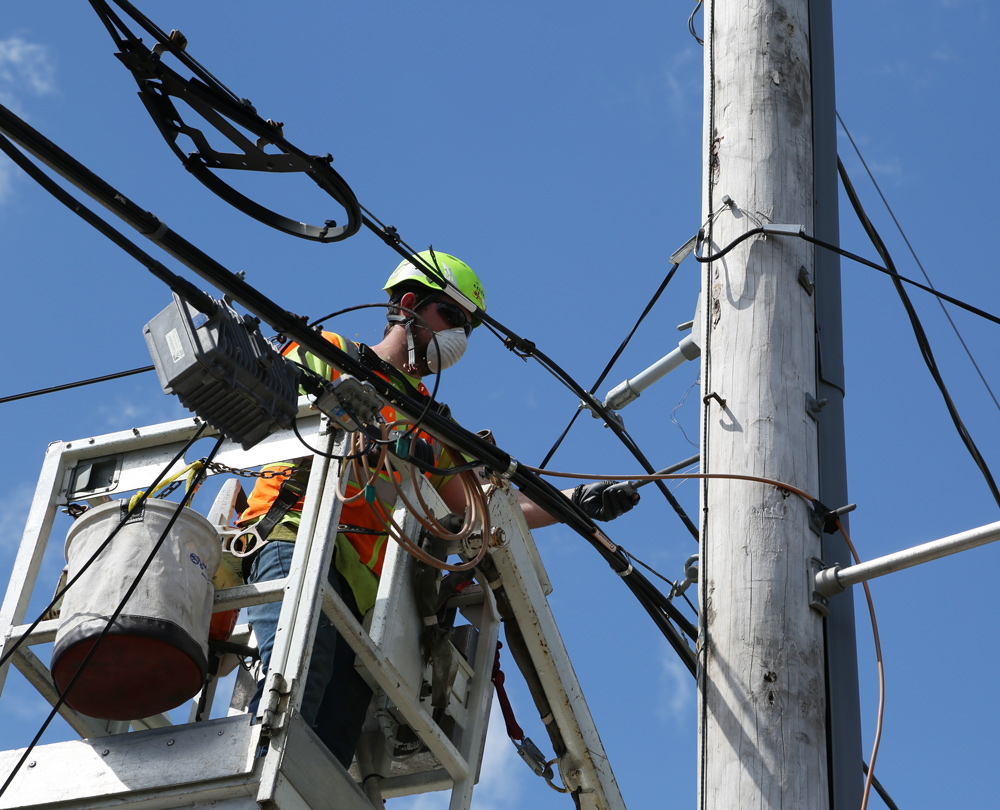
Make-ready assessments often reveal that existing poles require reinforcement, replacement, or adjustment of existing attachments before new fiber can be installed. Industry data shows that make-ready work can cost $25,000 or more for complex pole replacements.
Permitting and right-of-way acquisition represent another significant cost center that feasibility studies must accurately forecast. Municipal permits, railroad crossing agreements, highway occupancy permits, and environmental assessments each carry their own fee structures and timelines. In our work with clients across the Mid-Atlantic region, we've seen permitting costs range from $50,000 for straightforward municipal projects to over $500,000 for complex deployments crossing multiple jurisdictions.
A comprehensive feasibility study also accounts for soft costs that inexperienced planners often underestimate: engineering and design services, project management, legal fees, insurance, bonding requirements, and contingency reserves. These typically add 15-25% to the hard construction costs, yet they're essential for project success.
Timeline Realities: Why Fiber Projects Take Longer Than Expected
If cost overruns represent the most common fiber project challenge, timeline delays run a close second. The Federal Communications Commission established guidelines requiring pole owners to respond to attachment applications within 45 days and complete make-ready work within 60 days for simple requests. Reality, however, tells a different story.
The timeline for a typical fiber deployment breaks down into several distinct phases. Initial feasibility analysis and route planning generally require two to four months, depending on project complexity and data availability. OSP engineering and detailed design add another two to three months. Pole attachment applications and make-ready coordination can consume six to twelve months or longer.
Once permits are secured and OTMR (One Touch Make Ready) work is complete, actual construction timelines depend on project scale and methodology. These timelines assume relatively smooth execution. In practice, weather delays, equipment availability, contractor scheduling, and unforeseen field conditions frequently extend the schedule. A realistic feasibility study builds in contingency time (typically 15-20% of the base timeline) to account for these inevitable disruptions.
Navigating the Regulatory Maze: Permits, Compliance, and Stakeholder Management
Regulatory compliance represents perhaps the most complex dimension of fiber feasibility analysis. Unlike construction costs that can be estimated with reasonable precision, regulatory processes involve multiple stakeholders, each with their own requirements, timelines, and approval criteria.
Permitting and right-of-way services must address federal, state, and local requirements. At the federal level, projects may trigger National Environmental Policy Act reviews, especially when crossing federal lands or utilizing federal funding. State departments of transportation govern highway occupancy permits and road crossing approvals. Municipal governments control access to local rights-of-way and enforce local building codes.
Pole attachment agreements add another layer of regulatory complexity. The National Electric Safety Code establishes clearance requirements and safety standards that govern how communications cables can be attached to utility poles. Pole owners—typically electric utilities or telecommunications companies—maintain their own application processes, engineering standards, and fee structures. Some pole owners process applications efficiently; others create bottlenecks that can paralyze project timelines.
Railroad crossings deserve special attention in feasibility planning. Railroad companies maintain strict control over their rights-of-way and typically require extensive engineering documentation, insurance coverage, and substantial crossing fees.
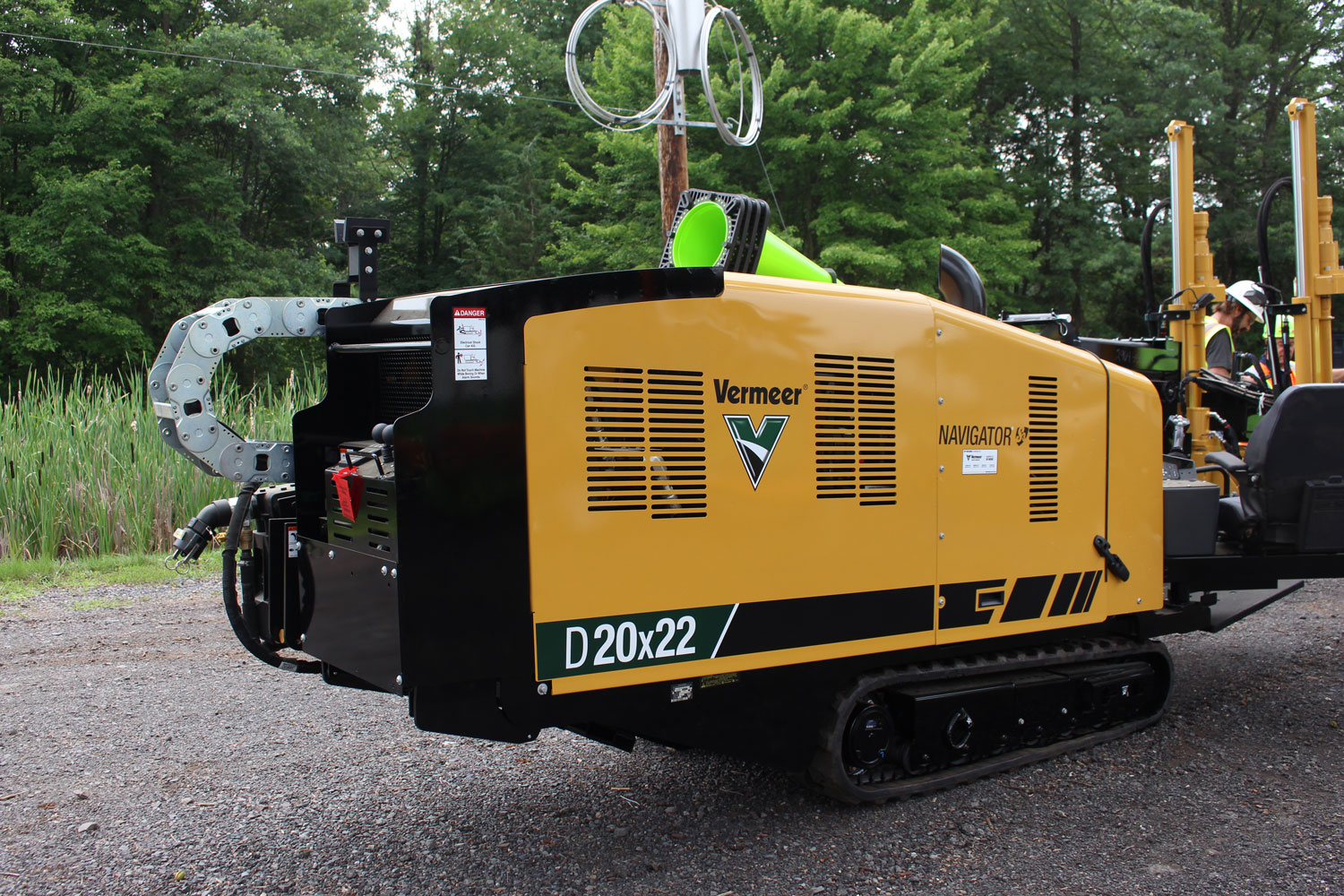
Environmental compliance requirements vary based on project location and methodology. Wetland crossings may require Army Corps of Engineers permits. Projects in historic districts face additional review. Horizontal directional drilling near waterways triggers environmental assessments. A thorough feasibility study identifies these regulatory triggers early, allowing accurate timeline and cost projections.
In our experience working with FTTx and rural broadband deployments, projects that invest in early stakeholder engagement and proactive communication with regulatory authorities consistently achieve better outcomes than those that treat permitting as a mere administrative checkbox.
Common Pitfalls That Derail Fiber Projects and How to Avoid Them
Even well-intentioned fiber projects encounter obstacles that threaten their success. Understanding these common pitfalls allows decision-makers to structure feasibility studies that identify and mitigate risks before they become crises.
Inaccurate or incomplete infrastructure data ranks as the leading cause of project rework and cost overruns. Many organizations begin planning based on outdated GIS records or incomplete pole surveys, only to discover during construction that field conditions differ dramatically from their assumptions. Each discrepancy requires engineering changes, permit modifications, and construction delays. Investing in comprehensive field surveys and fiber audits during the feasibility phase costs money upfront but saves multiples of that investment by preventing expensive surprises later.
Underestimating make-ready complexity represents another frequent mistake. Decision-makers often assume that existing poles can accommodate new attachments with minimal work. Poles may require replacement due to age or loading capacity. Existing attachments may need relocation to maintain proper clearances. Electric utilities may identify safety concerns requiring remediation. According to the National Cable & Telecommunications Association, make-ready costs can account for 30-50% of total aerial deployment expenses in mature utility corridors.
Inadequate contingency planning leaves projects vulnerable to the inevitable unexpected challenges. Weather events, supply chain disruptions, contractor performance issues, and regulatory changes all represent risks that prudent planners must anticipate. Industry best practices suggest maintaining financial contingencies of 10-15% for well-defined projects and 20-25% for projects with higher uncertainty. Timeline contingencies should follow similar guidelines.
Calculating ROI: Making the Financial Case for Your Fiber Investment
For decision-makers evaluating fiber projects, the ultimate question is whether the investment makes financial sense. A comprehensive feasibility study must translate technical analysis into financial projections that stakeholders can evaluate against their investment criteria.
Revenue modeling begins with understanding the addressable market and realistic penetration rates. Municipal broadband projects typically target 30-40% household penetration in the first three years, growing to 50-60% over five to seven years. Enterprise-focused networks may achieve higher penetration but serve fewer total customers. Average revenue per user varies by market and service offering, ranging from $50 to $150 per month for residential services and significantly higher for business and institutional customers.
Operating expenses include network maintenance, customer service, billing systems, and ongoing regulatory compliance. Industry benchmarks suggest that operating expenses typically consume 30-40% of revenue for mature networks, though new deployments may experience higher ratios during the initial growth phase.
Capital recovery timelines for fiber projects typically extend seven to 15 years, depending on construction costs, revenue ramps, and operating efficiency. The World Broadband Association notes that fiber networks represent long-term infrastructure investments with useful lives exceeding 30 years, making them attractive for patient capital but challenging for investors seeking quick returns.
For many organizations, the financial case for fiber extends beyond direct revenue generation. Economic development benefits, property value appreciation, improved service delivery, and competitive positioning all contribute value that traditional ROI calculations may not fully capture. Municipal leaders evaluating broadband investments should consider these broader community benefits alongside the direct financial returns.
Taking the Next Step: From Feasibility to Successful Deployment
A comprehensive fiber feasibility study transforms uncertainty into actionable intelligence. It replaces guesswork with data-driven projections. It identifies obstacles while they're still manageable rather than after they've become crises. Most importantly, it gives decision-makers the confidence to move forward based on realistic assessments of cost, timeline, and risk.
Whether an organization is exploring a small-scale fiber extension or a large-scale network deployment, the expertise applied during the feasibility phase directly influences the project’s ultimate success. Partnering with experienced professionals who understand not only the technical requirements but also the regulatory landscape, cost drivers, and project management complexities can mean the difference between a transformative infrastructure investment and an expensive lesson in what not to do.
We've guided projects ranging from small municipal networks to large-scale rural broadband deployments, and we understand the questions you need answered before making your investment decision.
Contact our engineering team today to discuss your fiber project and discover how comprehensive feasibility analysis can set your deployment up for success from day one.