The fiber optic network connecting your business to the world did not appear by magic. Behind every reliable connection sits months of planning, miles of cable, and teams of skilled professionals who make it all work. These professionals are telecommunications contractors, and their role in building modern infrastructure has never been more critical.
With fiber broadband now reaching over 60% of U.S. households and 2025 setting an all-time record for network deployment, understanding what these contractors do helps organizations make smarter decisions about their connectivity investments.
Understanding the Role of a Telecommunications Contractor
A telecommunications contractor is a specialized company that designs, builds, installs, and maintains communication networks. Think of them as the architects and builders of the digital highway system. They handle the physical infrastructure that makes phone calls, internet access, and data transmission possible.
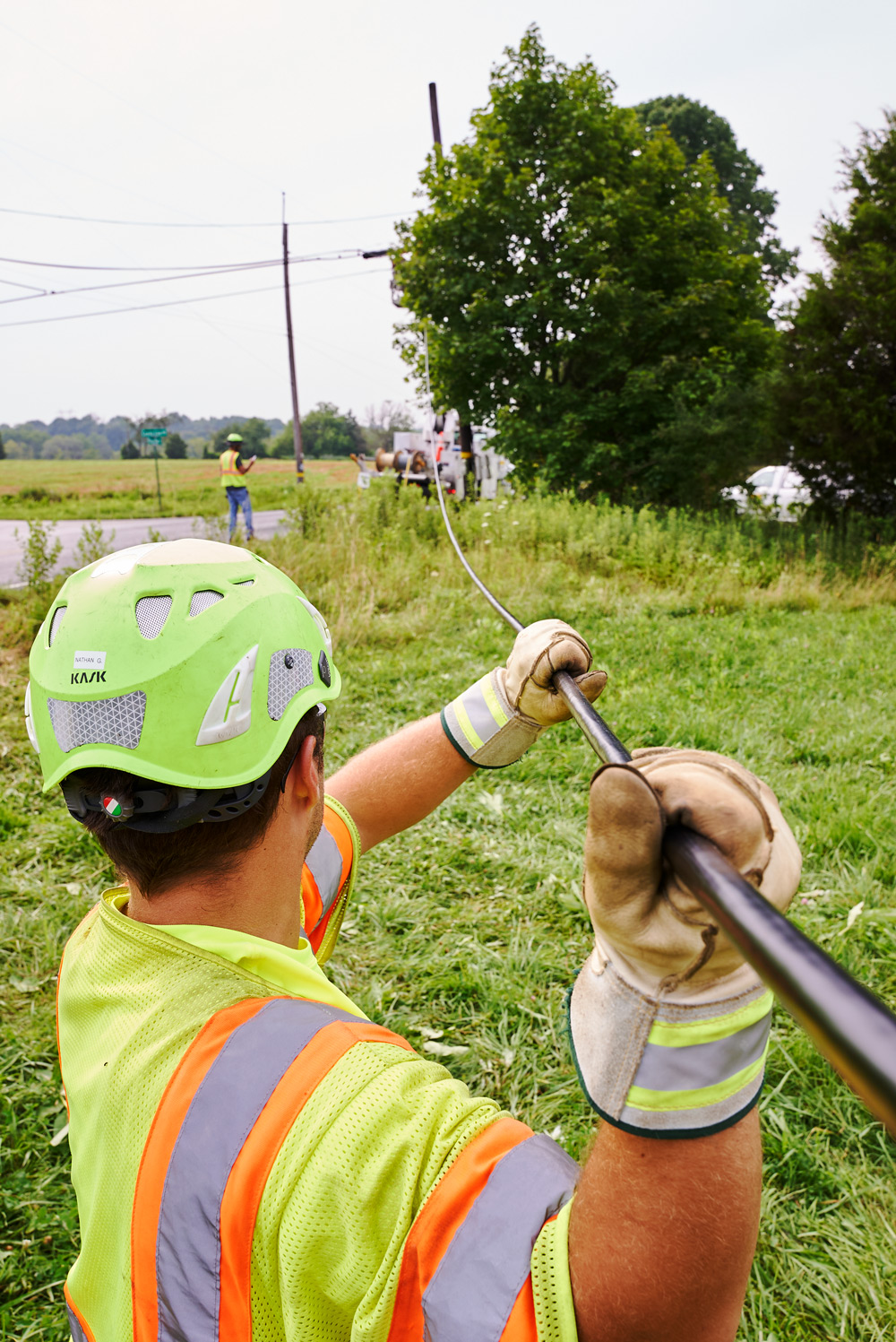
These contractors work across multiple environments. Some focus on outside plant (OSP) construction, which includes everything installed outdoors: underground cables, aerial lines on poles, and the equipment that connects them. Others specialize in wireless infrastructure, building the fiber backhaul that supports cell towers and 5G networks.
The scope of work varies widely. A telecommunications contractor might spend one week installing fiber optic cables beneath city streets using horizontal directional drilling. The next week, that same team could be splicing fiber strands in a rural area to bring broadband to underserved communities.
What separates professional contractors from general construction firms is their specialized expertise. Fiber optic work requires precision measured in microns. A single poorly executed splice can degrade network performance for thousands of users. This technical depth is why carriers, utilities, and enterprises rely on dedicated telecommunications contractors rather than general contractors.
Core Services Telecommunications Contractors Provide
Telecommunications contractors offer a range of interconnected services that span the entire network lifecycle. Understanding these services helps organizations identify what they need and evaluate potential partners effectively.
Engineering and Network Design
Before any cable goes into the ground, contractors perform detailed engineering work. This includes route surveys to identify the best paths for cable runs, feasibility studies to assess construction challenges, and network characterization planning to ensure the finished system meets performance requirements.
Good engineering prevents expensive problems later. A thorough survey identifies underground utilities, soil conditions, and permit requirements before construction begins. Skipping this step often leads to costly delays and change orders.
Aerial and Underground Construction
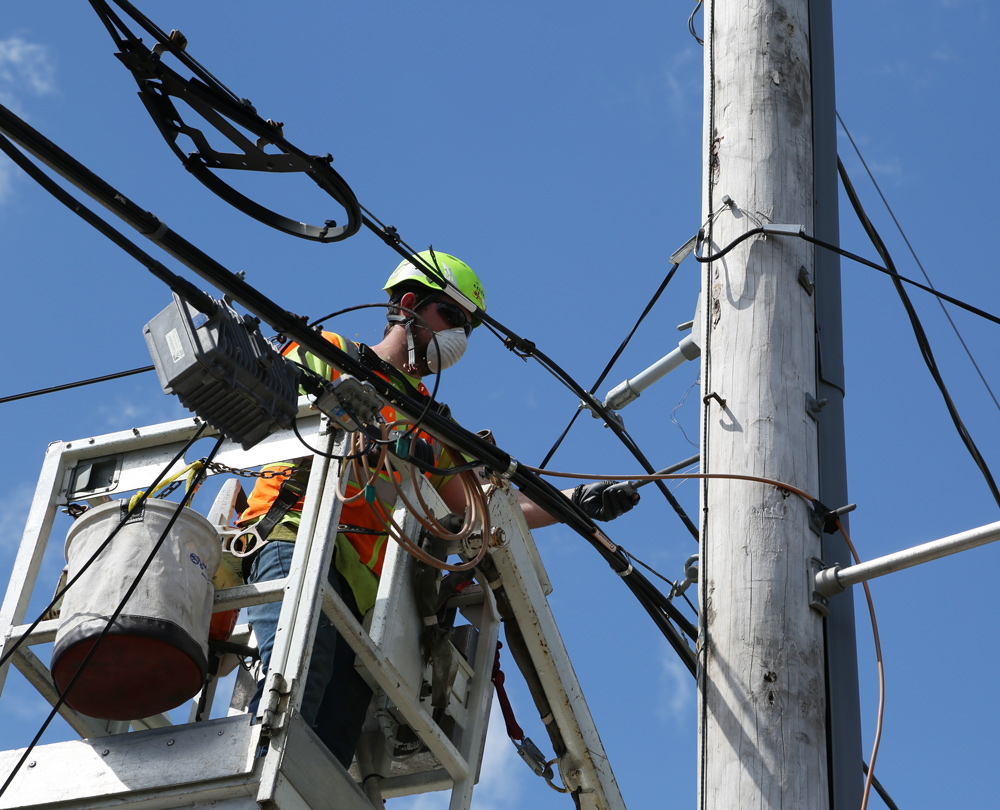
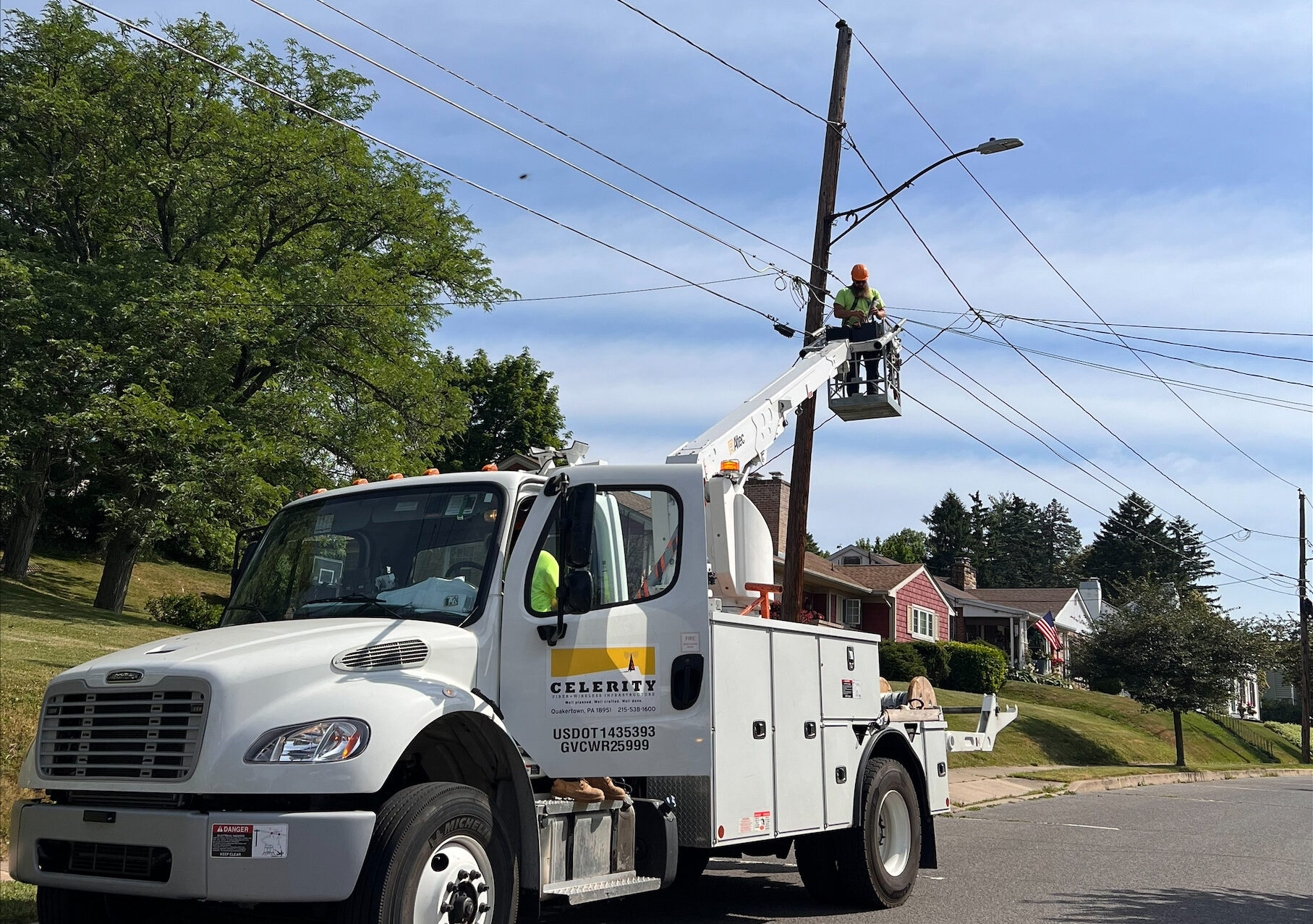
The physical construction phase involves two primary methods: aerial installation on existing poles and underground placement through trenching or directional drilling.
Aerial construction typically costs less and moves faster when pole infrastructure already exists. Underground construction offers better protection from weather and physical damage but requires more extensive civil works.
Modern contractors use horizontal directional drilling (HDD) to install cables beneath roads, rivers, and other obstacles without surface disruption. This technique minimizes traffic impacts and reduces restoration costs compared to traditional open-cut trenching.
Fiber Optic Splicing and Testing
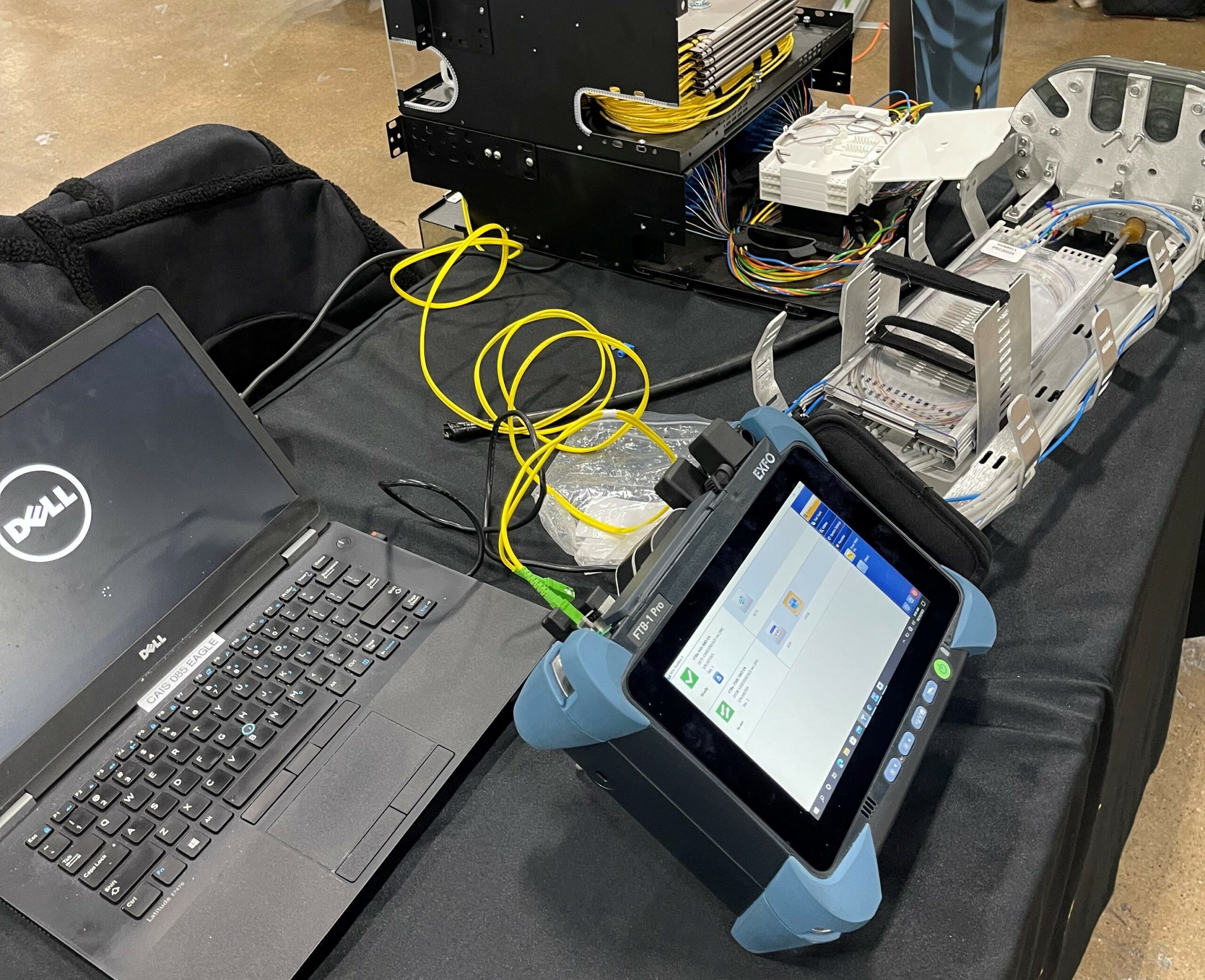
Once cables are in place, technicians splice individual fiber strands together using fusion splicing equipment. This process requires clean room conditions and specialized training. A quality splice introduces minimal signal loss and lasts for decades.
Testing follows splicing to verify network performance. Contractors use optical time-domain reflectometers (OTDRs) to measure cable length, locate faults, and confirm splice quality. Power meter and light source testing validates end-to-end signal transmission.
Advanced characterization testing goes further, measuring optical return loss, chromatic dispersion, and polarization mode dispersion. These tests matter most for high-capacity networks where even small imperfections affect performance.
Maintenance and Emergency Restoration
Networks require ongoing care. Preventive maintenance programs catch problems before they cause outages. Regular fiber audits reconcile documentation with actual field conditions, ensuring records stay accurate as networks evolve.
When damage occurs, whether from construction accidents, severe weather, or equipment failure, emergency restoration services get networks back online quickly. Contractors with 24/7 response capabilities minimize downtime and its associated costs.
The Telecom Infrastructure Project Lifecycle
Successful network projects follow a predictable sequence. Understanding this lifecycle helps organizations plan timelines, allocate budgets, and set realistic expectations.
Phase 1: Planning and Engineering
The project begins with detailed planning. Engineers survey proposed routes, identify obstacles, and design solutions. This phase produces construction drawings, material lists, and permit applications. Rushing through planning almost always creates problems during construction.
Phase 2: Permitting and Coordination
Telecommunications construction requires permits from multiple authorities: municipalities, state agencies, railroads, and private property owners. Experienced contractors know local requirements and maintain relationships that smooth the approval process. Permit delays are among the most common causes of project schedule slippage.
Phase 3: Civil Works and Construction
With permits in hand, construction crews mobilize. Civil works include trenching, conduit installation, manhole construction, and pole attachment. This phase is the most visible and often the most weather-dependent.
Phase 4: Cable Installation and Splicing
Crews pull or blow fiber optic cables through conduits and splice them at designated points. Documentation during this phase is critical. Accurate splice records and cable routing information support future maintenance and troubleshooting.
Phase 5: Testing and Commissioning
Comprehensive testing validates that the installed network meets specifications. Test results become part of the permanent project record. Any deficiencies identified during testing get corrected before handover.
Phase 6: Documentation and Handover
The contractor delivers as-built drawings, test results, and maintenance documentation to the network owner. Quality documentation supports efficient operations for years to come.
Phase 7: Operations and Maintenance
Many contractors offer ongoing maintenance services after construction. These arrangements range from on-call emergency response to comprehensive managed services that handle all routine maintenance.
How to Choose the Right Telecommunications Contractor
Selecting the right contractor significantly impacts project success. Several factors deserve careful evaluation.
Safety Record and Certifications
Telecommunications construction involves real hazards: working at heights, operating heavy equipment, and handling electrical systems. Request safety statistics and verify certifications. Contractors with strong safety cultures protect their workers and reduce project risk.
Industry certifications from organizations like the Fiber Optic Association indicate that technicians have demonstrated competency through standardized testing.
Equipment and Workforce
Contractors who own their equipment and employ their technicians directly typically deliver more consistent quality than those relying heavily on subcontractors. Ask about crew composition and equipment ownership.
Documentation Practices
Poor documentation creates long-term headaches. Evaluate sample deliverables from previous projects. Quality contractors produce clear, accurate records that support efficient network operations.
Financial Stability
Large infrastructure projects span months or years. Verify that potential contractors have the financial strength to complete your project without disruption.
Why Fiber and Wireless Infrastructure Matters Now
The telecommunications industry is experiencing unprecedented growth. The Fiber Broadband Association reports that 11.8 million U.S. homes gained fiber access in 2025 alone, setting an all-time deployment record. Total fiber passings now approach 100 million.
Federal programs like the $42.45 billion Broadband Equity, Access and Deployment (BEAD) initiative are accelerating construction in underserved areas. At least 18 states have BEAD-funded fiber projects currently under construction.
This growth creates both opportunity and challenge. Organizations planning network projects face a competitive market for contractor services. Starting the selection process early and building relationships with qualified contractors improves outcomes.
The trend toward fiber dominance shows no signs of slowing. Industry projections indicate fiber will overtake cable as the dominant U.S. broadband delivery platform by 2028. Organizations investing in fiber infrastructure today are positioning themselves for decades of reliable connectivity.
Choosing the right telecommunications contractor gives network owners access to the engineering expertise, skilled workforce, specialized equipment, and documentation practices needed to build reliable infrastructure and protect it throughout its lifecycle. Contact Celerity Integrated Services to discuss how its end-to-end engineering, construction, fiber splicing, testing, maintenance, and emergency restoration capabilities can support your next telecommunications infrastructure project.