Every hour of fiber network downtime costs the average organization more than $300,00 according to industry analysis. The math is brutal and the consequences are predictable: emergency repairs cost three to five times more than scheduled maintenance, service disruptions erode customer trust, and aging infrastructure degrades faster without consistent care.
For network planners and operations teams managing fiber optic infrastructure, the question is how quickly to invest in ongoing maintenance. The can save millions of dollars in avoided costs, thousands of hours of prevented downtime, and the competitive advantage that comes from running a network your customers can actually rely on.
Understanding Preventative vs. Reactive Maintenance Models
The distinction between preventative and reactive maintenance isn't just philosophical. It's financial, operational, and strategic. Reactive maintenance means you fix things after they break. Preventative maintenance means you identify and address vulnerabilities before they cause outages. The U.S. Department of Energy found that predictive and preventative maintenance approaches reduce costs by 40% compared to reactive strategies.
Consider what happens when a fiber splice case fails unexpectedly. A team scrambles to locate the problem, dispatch technicians during off-hours, expedite replacement parts, and coordinate with affected customers while your network bleeds revenue. Emergency repairs typically cost 30 to 40 percent more than planned maintenance according to industry analysis from NTT Training, and that figure doesn't account for the reputational damage or the customer churn that follows extended outages.
Preventative maintenance flips this equation. Instead of waiting for catastrophic failures, a team conducts scheduled inspections using fiber auditing services to document network conditions, identify degradation patterns, and address minor issues during planned maintenance windows. The work happens on schedule, with preferred vendors, using parts already sourced at competitive prices. More importantly, customers never experience the outage because the problem is caught months before it would have caused a service interruption.
The cost ratio between planned and unplanned work stands at one to five, meaning unplanned emergency work can cost five times more than the same repair performed during a scheduled maintenance cycle. Every dollar invested in preventative maintenance saves overhead costs and those savings compound over time as infrastructure ages more gracefully under consistent care.
Proactive Inspection Protocols That Prevent Failures
The most successful operations teams implement quarterly visual inspections, semi-annual testing of critical fiber routes, and annual comprehensive audits of splice cases and termination points. These inspection cycles create a baseline understanding of network health and establish trend data that helps predict where failures are most likely to occur.
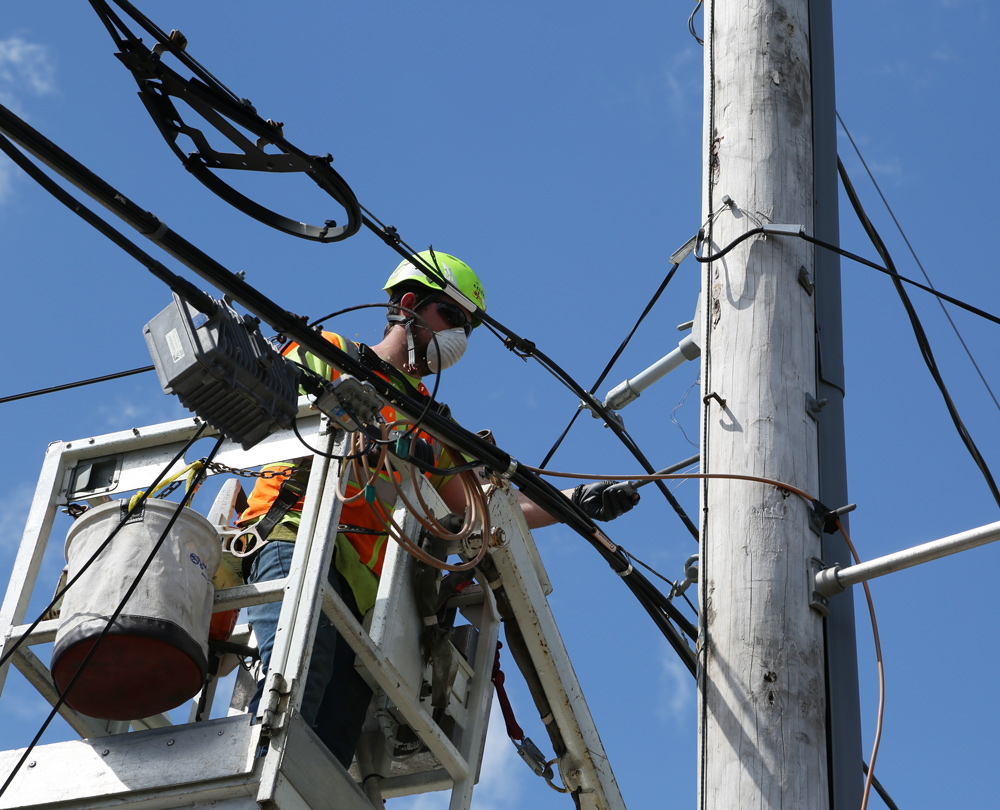
Visual inspections focus on physical infrastructure conditions. Technicians examine aerial cables for sagging lines, damaged lashing wire, vegetation encroachment, and weather-related wear. Underground infrastructure requires inspection of handholes, vaults, and conduit entry points for water intrusion, rodent damage, or shifting ground conditions. These inspections typically identify issues that would cause failures within 90 to 180 days, giving operations teams adequate time to schedule repairs before service impacts occur.
Connector end-face inspection represents another critical preventative measure. Contamination from dust, oils, or improper handling causes signal degradation and eventual failure. The Fiber Optic Association recommends a three-step process: inspect with a microscope, clean using approved methods, and inspect again to verify cleanliness.
Documentation during inspections proves as important as the inspections themselves. Well-documented networks experience better performance and less downtime because operations teams can track degradation patterns, prioritize maintenance activities, and allocate resources to the highest-risk infrastructure segments. Fiber optic testing combined with thorough documentation creates an institutional knowledge base that survives personnel changes and supports long-term network planning.
Systematic Testing Cycles and Maintenance Schedules
The most effective preventative maintenance programs operate on systematic testing cycles calibrated to infrastructure age, environmental conditions, and criticality. Mature networks benefit from quarterly testing of critical routes, semi-annual testing of secondary infrastructure, and annual comprehensive testing of the entire plant.
Testing frequency should increase for infrastructure exposed to harsh environmental conditions. Scheduled maintenance windows allow operations teams to perform testing, cleaning, and minor repairs without service disruption. This shift from reactive to proactive work reduces overall maintenance costs while improving network reliability.
Maintenance schedules should align with business cycles and customer usage patterns. Performing maintenance during low-traffic periods minimizes customer impact even when brief service interruptions prove necessary. Coordinating maintenance activities across multiple infrastructure segments during the same maintenance window maximizes technician efficiency and reduces the frequency of customer notifications.
Quantifying Cost Savings: Preventative vs. Reactive Economics
The financial case for preventative maintenance becomes compelling when considering actual cost data. Consider a typical fiber network serving 10,000 customers. An unexpected fiber break requires emergency dispatch, after-hours labor rates, expedited parts procurement, and extended repair time due to diagnostic challenges. The total cost for this reactive repair might reach $15,000 to $25,000 when labor, materials, and indirect costs are included. The same repair performed during scheduled maintenance with advance planning, standard labor rates, and inventory parts costs $5,000 to $8,000. The difference of $10,000 to $17,000 per incident adds up quickly across a network experiencing dozens of failures annually.
Downtime costs amplify these direct repair expenses. If that fiber break affects 500 customers for four hours, and the average revenue per customer is $100 monthly, the loss is $667 in direct revenue plus whatever service credits or compensation provided to affected customers.
Preventative maintenance programs typically cost 15 to 30 percent of reactive maintenance budgets while delivering superior network reliability. A network spending $500,000 annually on reactive repairs might invest $150,000 to $200,000 in preventative maintenance and reduce total maintenance costs to $300,000 to $350,000 while simultaneously improving uptime from 99.5 percent to 99.9 percent or better. The return on investment becomes obvious within the first year of program implementation.
Building a Preventative Maintenance Program That Works
Successful preventative maintenance programs share common characteristics regardless of network size or complexity. They begin with comprehensive network documentation including as-built drawings, splice records, test results, and equipment inventories. This documentation foundation supports all subsequent maintenance activities by giving technicians the information they need to work efficiently and safely.
The program requires dedicated resources including trained personnel, appropriate test equipment, and adequate budget allocation. Organizations that treat preventative maintenance as discretionary spending that can be deferred during budget constraints inevitably pay more in emergency repairs and lost revenue. The most successful programs establish preventative maintenance as a non-negotiable operational requirement with protected budget allocation.
Systematic scheduling ensures that maintenance activities occur consistently rather than sporadically. Computerized maintenance management systems help operations teams track inspection schedules, document findings, manage work orders, and analyze trends. These systems transform preventative maintenance from an ad-hoc activity into a disciplined operational process that delivers consistent results.
Continuous improvement based on failure analysis completes the program framework. When failures do occur despite preventative efforts, root cause analysis identifies whether the failure resulted from inadequate inspection frequency, missed warning signs, or conditions outside the maintenance program scope. This analysis informs program adjustments that progressively improve effectiveness over time.
The Competitive Advantage of Proactive Network Care
The evidence supporting preventative maintenance is overwhelming and the financial returns are substantial. Networks that implement systematic inspection protocols, leverage advanced diagnostic technologies, and maintain disciplined testing cycles reduce downtime by 20 to 50 percent while cutting maintenance costs by 30 to 40 percent compared to reactive approaches. These improvements translate directly to better customer experiences, lower operational costs, and competitive advantages in increasingly crowded markets.
At Celerity, we've helped network operators across the country implement preventative maintenance programs that deliver measurable results. Our fiber auditing services establish the documentation foundation your program needs, our fiber optic testing capabilities provide the diagnostic data that drives maintenance decisions, and our ongoing maintenance services ensure your infrastructure receives consistent, professional care. When emergencies do occur, our emergency response teams stand ready to restore service quickly and professionally.
The networks that thrive in the coming decades will be those that receive proactive, systematic care today. The choice between preventative and reactive maintenance isn't just an operational decision. It's a strategic choice that determines whether your network becomes a competitive advantage or a constant source of problems. The data is clear, the returns are substantial, and the time to act is now.