According to the Fiber Broadband Association, overly complex and inconsistent permitting processes across states are now the primary obstacle slowing broadband infrastructure deployment nationwide. In some municipalities, permitting delays average six to nine months, while make-ready engineering bottlenecks in urban corridors can exceed twelve months due to power company backlog. The FCC has identified permitting delays as the number one barrier to fiber deployment, and for good reason—every week of delay translates to lost revenue, frustrated stakeholders, and communities left without critical connectivity.
But here's what most people miss: permitting delays aren't inevitable. The difference between projects that move forward smoothly and those that stall for months often comes down to three interconnected elements: make-ready engineering expertise, strategic pole attachment permitting, and proactive ROW coordination. When these pieces work together, fiber projects stay on schedule even in the most challenging regulatory environments.
Why Fiber Projects Stall (And How to Prevent It)
Delays are expensive. USTelecom data shows that permit application processing times range from eight weeks to six months, depending on jurisdiction complexity. Often times, broadband projects can turn into multi-year endeavors, with costs escalating at every turn.
The Hidden Cost of Permitting Delays
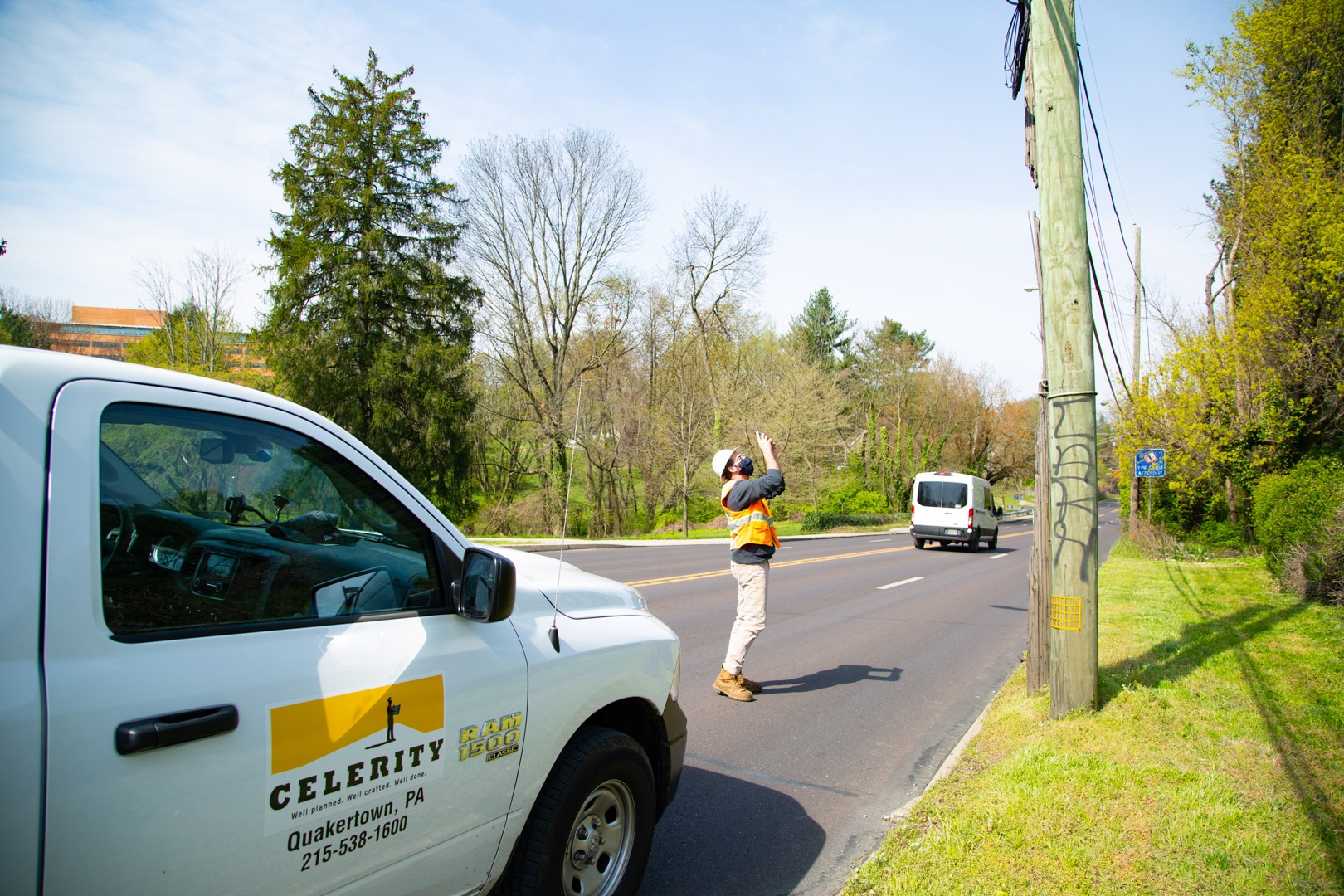
In our work with fiber providers across Pennsylvania, Virginia, and Maryland, we've seen projects lose hundreds of thousands of dollars to preventable permitting delays. The pattern is consistent: teams underestimate the complexity of coordinating between state DOT requirements, municipal ordinances, and utility company procedures. They submit applications without complete make-ready engineering documentation. They miss critical details in pole attachment agreements. And they discover these gaps only after applications are rejected or indefinitely delayed.
Successful fiber deployments in the Mid-Atlantic region share a common thread: they treat permitting and ROW coordination as engineering disciplines, not administrative afterthoughts. They invest in make-ready engineering expertise upfront. They build relationships with utility partners before applications are submitted. And they understand that pole attachment permitting is a strategic process, not a paperwork exercise.
Understanding Make-Ready Engineering in the Permitting Process
Make-ready engineering is where fiber deployment theory meets infrastructure reality. Here's where most projects stumble: they treat make-ready engineering as a checkbox rather than a critical path item. The application goes to the utility company with incomplete information. The utility requests additional surveys. Engineering teams scramble to provide missing data. Weeks turn into months while the project waits for make-ready approval. By the time construction can begin, the original timeline is unrecognizable.
What Makes Make-Ready Engineering Critical
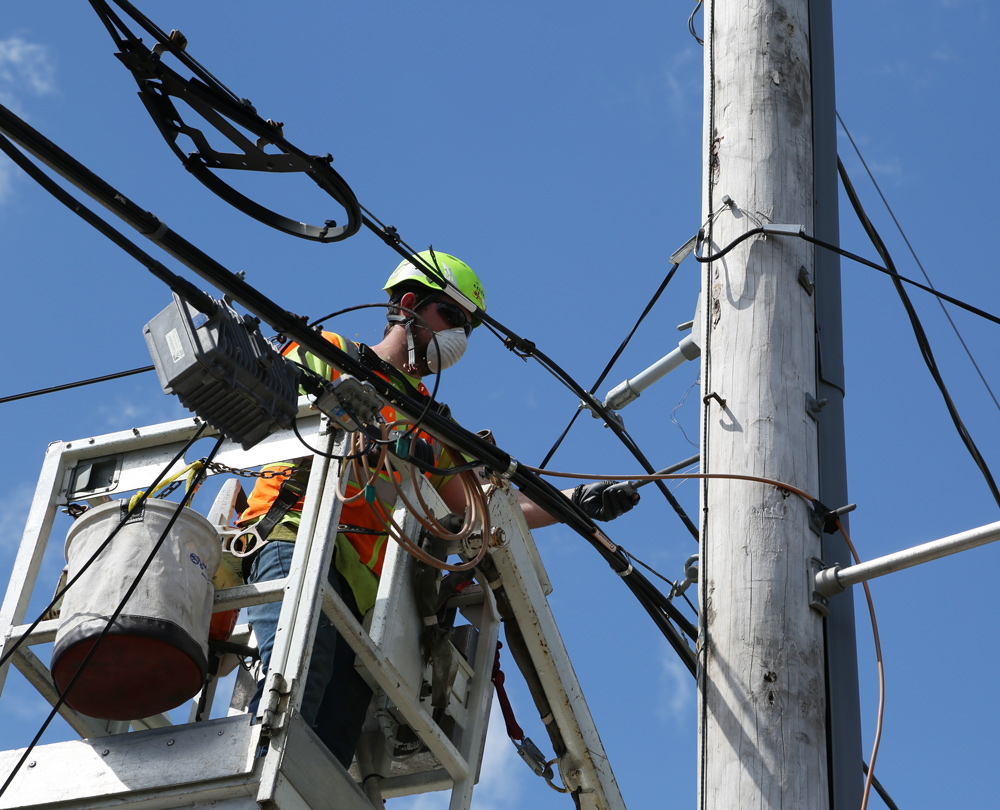
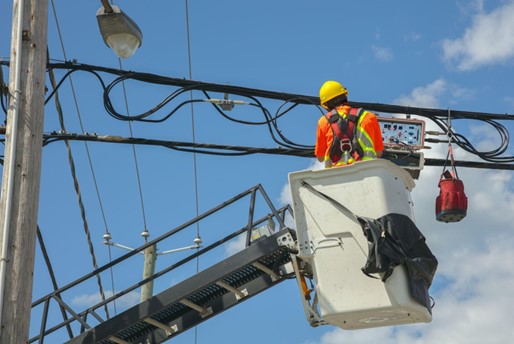
Think of make-ready engineering as the foundation of the entire deployment. A pole that looks perfectly adequate during initial route planning might require reinforcement, replacement, or rearrangement of existing attachments once load calculations are complete. Power companies need to verify clearance requirements. Cable providers need to relocate their equipment. Telephone companies need to coordinate their own make-ready work. Each utility operates on its own timeline, and without proactive coordination, these timelines rarely align.
The FCC's One-Touch Make-Ready (OTMR) rules were designed to streamline this process by allowing new attachers to perform simple make-ready work themselves, with proper notification and oversight. In theory, OTMR can reduce deployment time and costs significantly. In practice, it requires detailed engineering documentation, clear communication with existing attachers, and careful adherence to safety standards. When executed properly, OTMR transforms make-ready from a bottleneck into a competitive advantage.
In the Mid-Atlantic region, make-ready engineering complexity varies significantly by location. Pennsylvania's dense suburban corridors often involve poles with multiple existing attachers, requiring careful coordination and sometimes extensive rearrangement. Virginia's rural areas may have older pole infrastructure that needs replacement before new attachments are possible. Maryland's mix of urban and rural deployments demands flexibility in engineering approach, adapting to local conditions while maintaining consistent quality standards.
Mastering Pole Attachment Permitting
Pole attachment permitting sits at the intersection of engineering, regulation, and relationship management. Every utility pole owner has its own application process, fee structure, and approval timeline. Navigate these processes effectively, and the project moves forward. Mismanage them, and delays appear while applications languish in review queues. The regulatory framework for pole attachments is established by the FCC, which sets maximum rates and establishes timelines for utility responses. But federal regulations provide only the baseline. State public utility commissions often have additional requirements. Individual utilities layer on their own procedures. The result is a complex web of overlapping requirements that varies not just state to state, but utility to utility within the same state.
The Three-Phase Pole Attachment Strategy
Phase one is relationship building. Before the first application reaches a utility’s desk, project leaders should have relationships and be familiar with specific documentation requirements, typical review timelines, and preferred formats for applications and communication. These relationships elevate a project team from being just another applicant to becoming a trusted partner who understands the utility’s processes and respects its operational constraints.
Phase two is application excellence. Every application should be complete, accurate, and professionally presented. This means comprehensive engineering drawings that show existing conditions and proposed attachments. It means load calculations that demonstrate structural adequacy. It means clear documentation of how your attachments will maintain required clearances and safety standards. When utilities receive applications that meet or exceed their standards, approval timelines shrink dramatically.
Phase three is proactive coordination. Once applications are submitted, successful teams follow up regularly, address questions promptly, and coordinate with other attachers who may be affected by the proposed work. They track applications through the utility's internal workflow, identifying and resolving bottlenecks before they cause delays. This level of engagement requires dedicated resources, but the timeline benefits are substantial.
In Pennsylvania, PennDOT oversight adds another layer to pole attachment permitting when poles are located within state highway rights-of-way. Virginia's VDOT has similar requirements. Maryland's newly formed cross-agency broadband coordination group is working to streamline these processes, but navigating multiple agency requirements remains a challenge.
ROW Coordination: Building Partnerships That Work
Right-of-way coordination is where fiber deployment meets community impact. Every foot of fiber you install in public ROW requires permission from the entity that controls that space. These entities have legitimate concerns about public safety, traffic management, infrastructure protection, and community impact. Address these concerns effectively, and ROW permits flow smoothly. Ignore them, and the project grinds to a halt.
The challenge is that ROW requirements vary dramatically across jurisdictions. Some municipalities have streamlined online application systems with clear timelines and transparent processes. Others require in-person meetings, paper applications, and multiple rounds of review. Some charge nominal fees. Others impose substantial costs that significantly impact project economics. Some respond within weeks. Others take months. Understanding these variations and planning accordingly is essential for maintaining project schedules.
Mid-Atlantic Regional Considerations
The Mid-Atlantic region presents unique ROW coordination challenges due to its mix of dense urban areas, sprawling suburbs, and rural communities. Pennsylvania's municipal landscape includes hundreds of individual townships and boroughs, each with its own ordinances and permitting processes. Virginia's counties often have more centralized authority, but state-level coordination with VDOT adds complexity for routes along state highways. Maryland's proximity to Washington, D.C., means some projects must navigate federal property considerations alongside state and local requirements.
Successful ROW coordination in this environment requires a multi-layered approach. At the state level, building relationships with DOT permitting offices ensures smooth processing for routes along state highways. At the county level, understanding zoning requirements and comprehensive plans helps identify potential obstacles early. At the municipal level, engaging with local officials and addressing community concerns proactively builds support for projects and accelerates approvals.
The BEAD (Broadband Equity, Access, and Deployment) funding program has added new urgency to ROW coordination across the region. States are under pressure to deploy broadband infrastructure quickly to meet federal deadlines and serve unserved communities. Projects that engage early, provide complete applications, and maintain proactive communication are best positioned to navigate this environment successfully.
Keeping Your Fiber Project on Schedule: A Practical Framework
Bringing together make-ready engineering, pole attachment permitting, and ROW coordination into a cohesive strategy requires technical expertise and project management discipline. The most successful fiber deployments we've supported follow a framework that integrates these elements from project inception through construction completion.
Start with comprehensive planning that accounts for permitting timelines as critical path items, not administrative afterthoughts. When developing project schedules, build in realistic timeframes for each permitting phase. In the Mid-Atlantic region, this typically means adding three to six months to initial timeline estimates, depending on route complexity and jurisdictional requirements.
Invest in front-end OSP engineering that produces permit-ready documentation from the start. Detailed pole surveys, accurate engineering drawings, complete structural analysis, and thorough ROW impact assessments accelerate every subsequent permitting phase. The cost of comprehensive upfront engineering is almost always less than the cost of delays caused by incomplete applications and multiple revision cycles.
Establish internal processes that ensure application quality and coordination efficiency. This means dedicated permitting coordinators who understand regional requirements, tracking systems that monitor application status across multiple jurisdictions, and communication protocols that ensure timely responses to utility and government inquiries. It also means regular internal reviews that catch errors before applications are submitted, preventing the delays that come from rejected or incomplete submissions.
Finally, embrace flexibility and adaptability. Even with perfect planning and execution, unexpected obstacles will arise. A utility might discover pole conditions that require additional work. A municipality might request design modifications to address community concerns. A state DOT might implement new requirements mid-project. Projects that build contingency into timelines and budgets, maintain open communication with all stakeholders, and adapt quickly to changing conditions are most likely to stay on schedule despite these challenges.
The fiber infrastructure needs of the Mid-Atlantic region are substantial and growing. Communities need reliable connectivity for economic development, education, healthcare, and quality of life. Providers need to deploy networks efficiently to serve these communities while maintaining financial viability. Government agencies need to facilitate deployment while protecting public interests and infrastructure. When make-ready engineering, pole attachment permitting, and ROW coordination work together effectively, everyone benefits—projects stay on schedule, costs remain controlled, and communities get the connectivity they need.
At Celerity, we've built our permitting and ROW services around this integrated approach. Our engineering team understands the technical requirements of make-ready assessments and pole attachment design. Our permitting coordinators have established relationships with utilities and government agencies across Pennsylvania, Virginia, and Maryland. And our project managers ensure that permitting activities stay aligned with construction schedules and project goals. Whether you're deploying fiber in dense urban corridors or rural communities, we have the expertise to keep your project moving forward.
The difference between fiber projects that succeed and those that stall often comes down to how permitting and ROW coordination are approached. Treat them as administrative tasks to be checked off, and you'll likely face delays, cost overruns, and frustration. Treat them as engineering disciplines that require expertise, planning, and proactive management, and you'll find that even complex deployments can stay on schedule. The choice is yours, but the communities waiting for connectivity can't afford to wait while projects languish in permitting limbo.