Universities don't run on good intentions. They run on bandwidth. Every lecture hall streaming video. Every research lab transferring massive datasets. Every residence hall full of students who expect instant connectivity. When a campus spans multiple locations (sometimes miles apart) the fiber network connecting them isn't just infrastructure. It's the backbone of its operations.
Connecting multi-campus systems is nothing like wiring a single building. The challenges multiply. The stakes get higher. And the margin for error shrinks to almost nothing. These challenges are what many facilities teams discover too late in the planning process.
So how does a university get it right? It starts with understanding what makes university OSP (Outside Plant) engineering fundamentally different, and what questions to ask before actual work begins. The fiber optic market is growing at a compound annual growth rate of 16.64% through 2034, according to industry analysts. Universities are racing to keep pace with bandwidth demands that seem to double every few years. But rushing a multi-campus buildout without proper OSP engineering creates problems that last decades.
Why Multi-Campus Fiber Networks Are Different
A single-campus network has one set of stakeholders, one terrain profile, and one construction timeline to manage. Multi-campus systems multiply every variable. They deal with different soil conditions at each location. Different building ages and entry point challenges. Different departmental priorities competing for attention. And often, different local permitting requirements depending on where each campus sits.
In our work with higher education clients, we've seen institutions inherit networks designed 15 years ago that can't support today's computing needs. The original engineers didn't plan for growth. They didn't build in redundancy. And now, retrofitting costs three times what doing it with all these variables taken into account would have cost originally.
The 5 Biggest OSP Challenges Universities Face
1. Terrain That Doesn't Cooperate
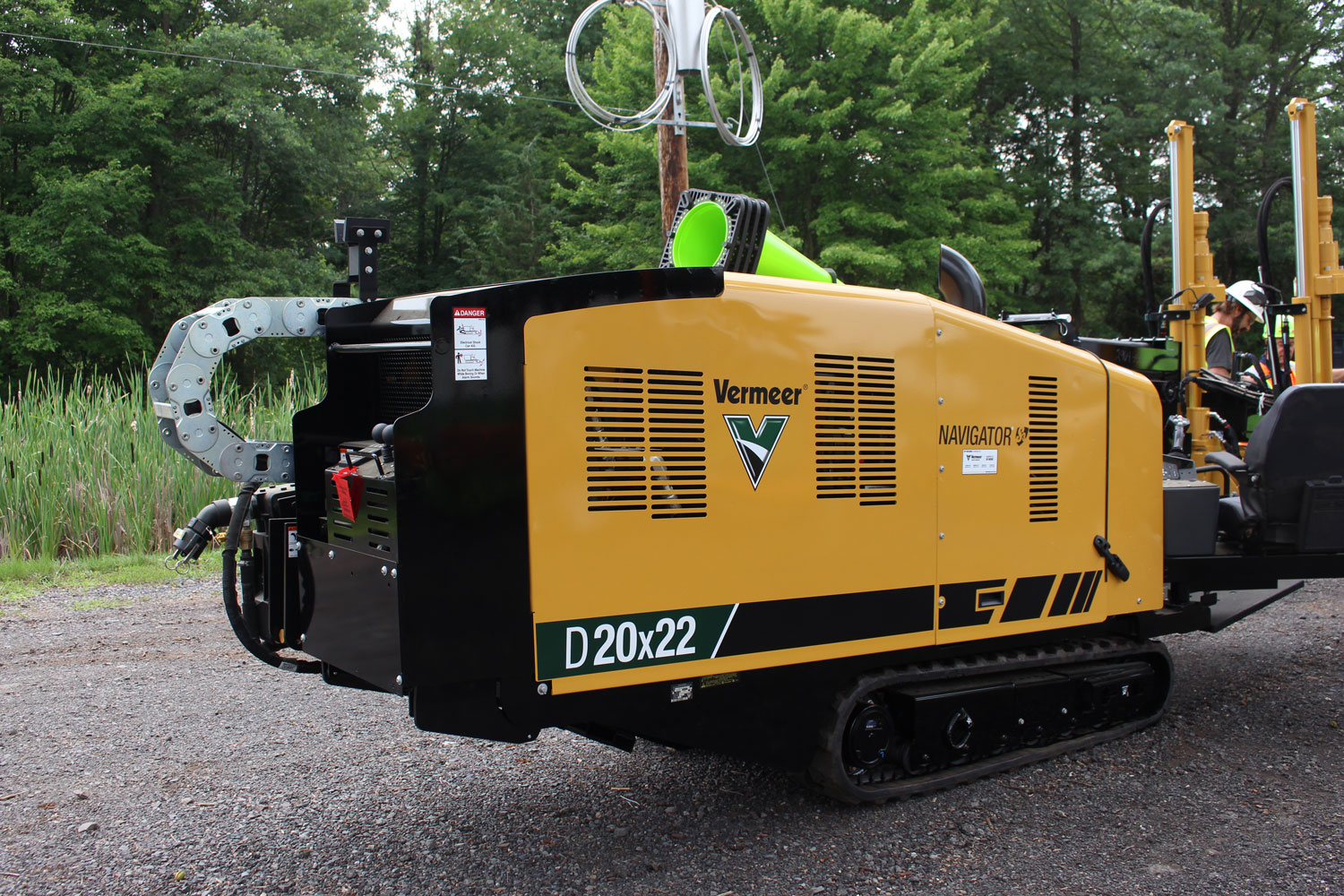
Every campus has obstacles such as historic quads, mature tree canopies, and underground utilities from decades ago that don't show up on satellite imagery. Rocky terrain is particularly challenging. One project we supported involved a campus built on Pennsylvania bedrock. Standard trenching wasn't an option. The engineering team had to design around geological surveys, using directional boring and strategic aerial segments to complete the backbone.
2. Academic Calendar Constraints
Campus construction schedules need to align with the academic calendar. Contractors cannot disrupt the main walkways during move-in weekend or operate heavy equipment near the library, for example, during finals. On university campuses, workable construction windows are often measured in weeks rather than months.
Effective OSP planning integrates the academic calendar into the project timeline from the start. Teams phase work during summer breaks, coordinate around major campus events, and prepare contingency plans when weather delays threaten to extend work into the fall semester.
3. Stakeholder Complexity
A corporate campus has one decision-maker. A university has dozens. IT wants maximum bandwidth. Facilities department wants minimal disruption. The provost wants the project done before the capital campaign launch. The grounds department wants to protect the historic elm trees. And everyone has veto power over something.
Successful multi-campus projects require a feasibility study that gets all stakeholders aligned before design begins. Otherwise, the redesign might involve multiple rounds.
4. Future-Proofing Uncertainty
How much bandwidth will a campus need in 2035? Nobody knows for certain. But the fiber installed today needs to handle whatever comes next. A 288-count fiber backbone costs marginally more than 144-count during installation. But adding capacity later means digging up the same routes again.
5. Budget Realities
An OSP infrastructure typically represents 60-70% of total network capital expenditure. Underground installation runs $5,000 to $20,000 per mile depending on conditions. The institutions that stay on budget are the ones that invest in thorough engineering upfront. Every dollar spent on route optimization and constructability analysis saves dollars during construction.
Planning A Multi-Campus Fiber Architecture
The most resilient university networks follow a three-tier hierarchical model:
-
Core Layer: The central data center or network operations center that serves as the hub for all campus connections.
-
Distribution Layer: Major buildings on each campus that aggregate traffic from surrounding structures.
-
Access Layer: Individual buildings, labs, and facilities that connect to their nearest distribution point.
This architecture creates natural redundancy. If one distribution node fails, traffic can reroute through alternate paths. For multi-campus systems, it also allows each location to operate semi-independently during maintenance windows.
The key decision is where to place the distribution nodes. They need to be:
- Geographically central to the buildings they serve
- Accessible for maintenance without disrupting campus operations
- Protected from environmental risks (flooding, construction zones)
- Connected to at least two independent pathways back to the core
Underground vs. Aerial: Making the Right Call
Every multi-campus project faces this question: is the fiber buried, or is it strung overhead?
Underground Advantages
Underground infrastructure provides several key advantages. It remains protected from weather, vehicle damage, and vandalism. It typically delivers a longer lifespan while requiring less maintenance. Once installed, it stays visually unobtrusive and preserves the surrounding aesthetic. In many historic districts, underground placement is also required.
Underground Challenges
Underground construction also presents several challenges. It often carries higher installation costs and requires a longer project timeline. Excavation can disrupt campus operations and daily activities during construction. Installation can also become more complex in rocky terrain or in utility corridors that are already congested.
Aerial Advantages
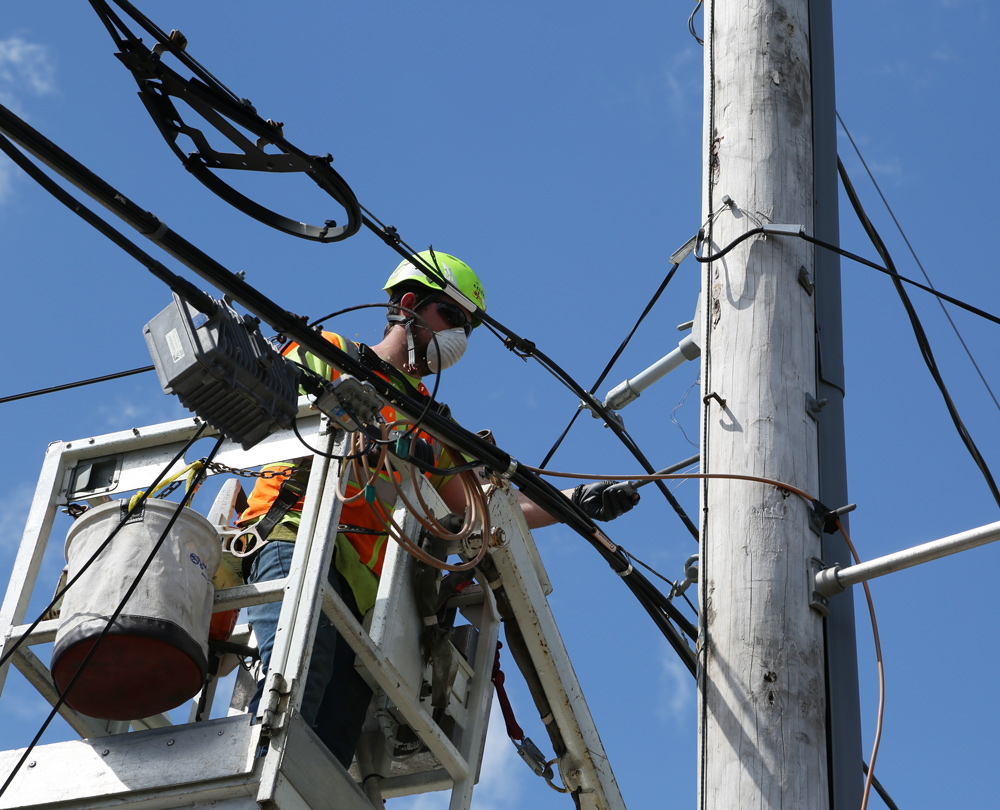
Aerial infrastructure offers several advantages. It can be installed more quickly, typically requires lower upfront costs, and allows easier access for repairs and maintenance. It also performs well in areas where existing pole infrastructure is already in place.
Aerial Challenges
Aerial deployment also comes with challenges. Because it remains exposed, it is more vulnerable to weather-related damage. It can affect campus aesthetics, often requires pole attachment agreements, and may have a shorter lifespan in harsh climates.
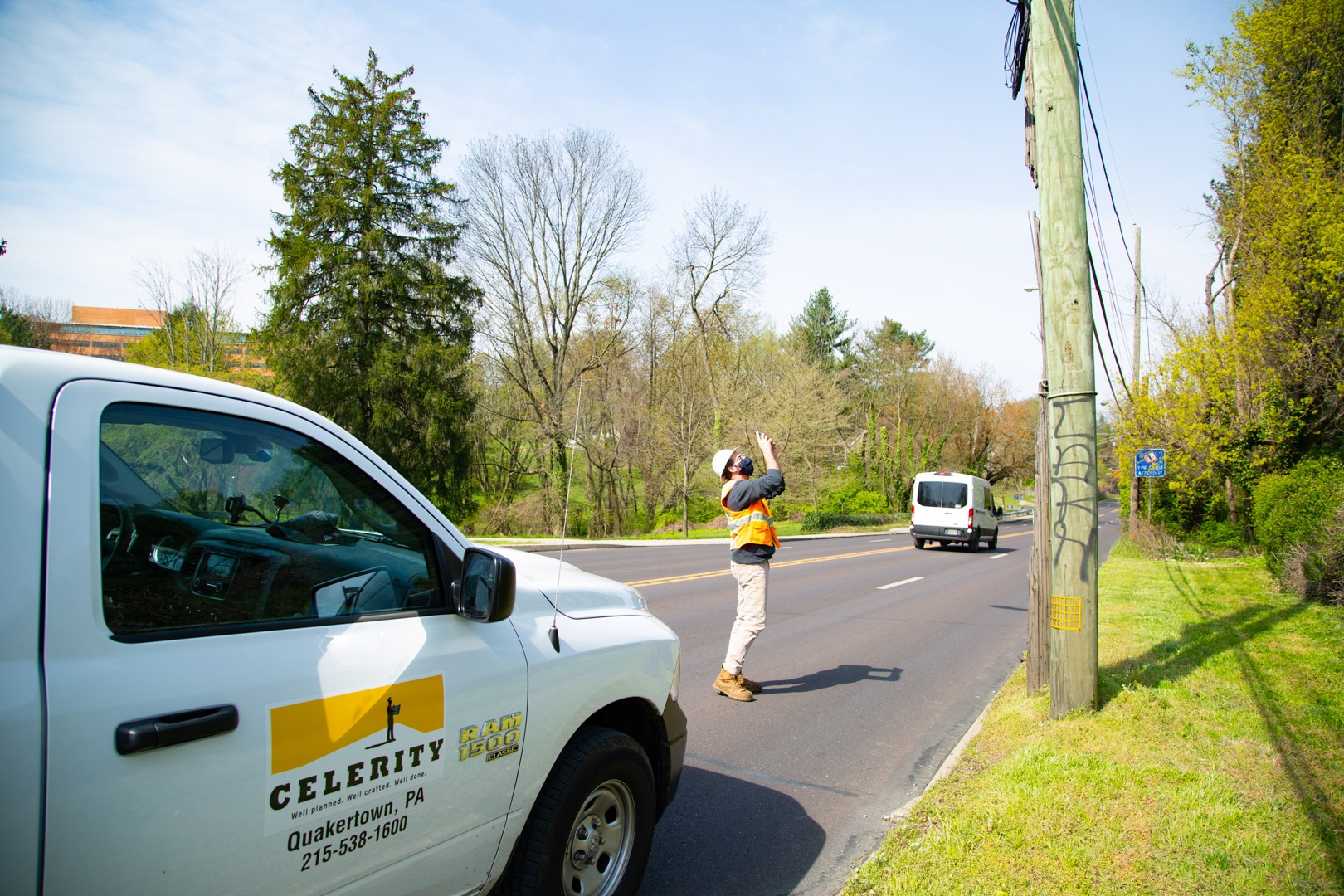
Most university projects use a hybrid approach. Underground for high-visibility areas and critical backbone routes. Aerial for back-of-campus connections and temporary construction phases. The right mix depends on specific conditions. A thorough engineering assessment maps every route option before recommending the optimal combination.
Real-World Success: Lessons from Complex Buildouts
One project that illustrates these principles involved connecting three separate campus locations for a major Pennsylvania university. The scope included:
- 288-count fiber backbone across all three sites
- Underground installation through rocky terrain
- Coordination with ongoing campus construction
- Redundant pathways for failover protection
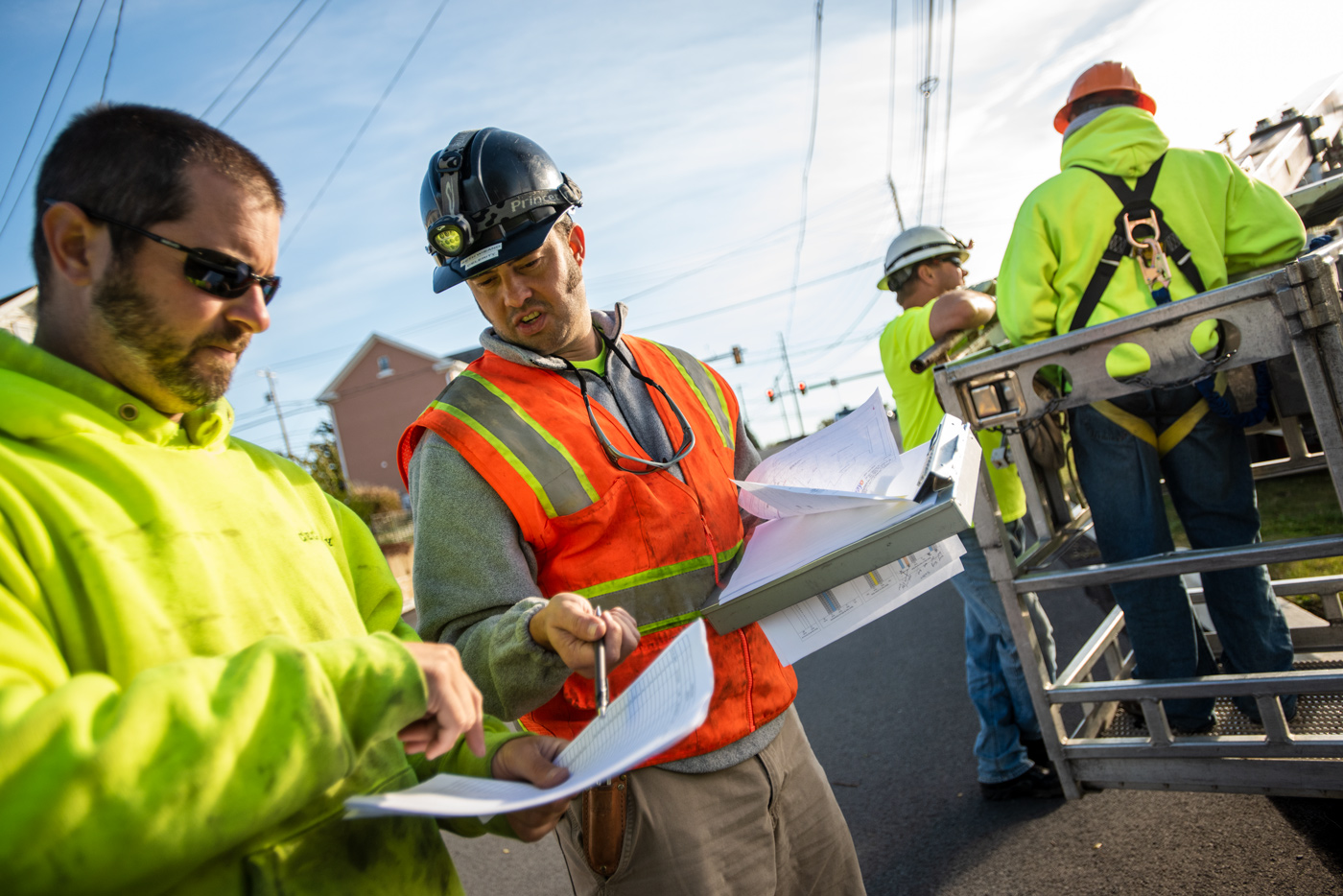
The engineering team conducted geological surveys before finalizing routes. They identified areas where bedrock made trenching impractical and designed directional boring solutions. They scheduled major excavation during summer break and used fiber splicing techniques that minimized splice points along the route.
The project was completed on budget and the difference was investing time in planning before construction began.
Getting Started: Next Steps
If you're considering a multi-campus fiber buildout, here's where to begin:
-
Audit your existing infrastructure. What fiber is already in the ground? What condition is it in? What capacity does it have?
-
Map your bandwidth requirements. Not just today's needs—project forward 10-15 years. Include research computing, IoT expansion, and technologies that don't exist yet.
-
Engage stakeholders early. Get IT, facilities, administration, and academic leadership aligned on priorities before you start designing.
-
Commission a feasibility study. A thorough engineering assessment identifies obstacles, estimates costs, and creates realistic timelines.
-
Choose partners with university experience. Multi-campus buildouts have unique challenges. Work with teams who've solved them before.
Getting it right matters. And it starts with asking the right questions. Celerity has supported complex fiber infrastructure projects for more than 20 years, including multi-campus university systems across the Northeast. Contact our engineering team to discuss your project.