A fiber project looks simple on a map. A line runs from point A to point B, and a budget follows. Then the field crew arrives. Poles fail inspection. Utilities request make-ready work. A permit stalls at a county office. The budget that looked firm in the boardroom starts to move.
This pattern is common, and owners can prevent much of it. A telecom network feasibility study gives decision makers a clear view of cost, schedule, and risk before design and construction begin. We explain what the study covers, how it shapes a fiber build budget, and why owners who skip it often pay more later.
Why Fiber Budgets Break Before Construction Starts
Many early fiber budgets rely on a per-mile average. Averages hide the details that drive real cost. Terrain changes from one mile to the next. Pole ownership changes from one utility to another. One road offers open strand space, and the next road has crowded poles that need work.
Three areas cause most of the surprises:
- Make-ready costs. Crews may need to move existing wires or modify poles before a new cable can attach.
- Pole replacement. A pole that fails a loading review needs replacement, and the new attacher frequently carries that cost.
- Permits and right-of-way. Railroad, state road, and municipal permits each bring fees and review timelines.
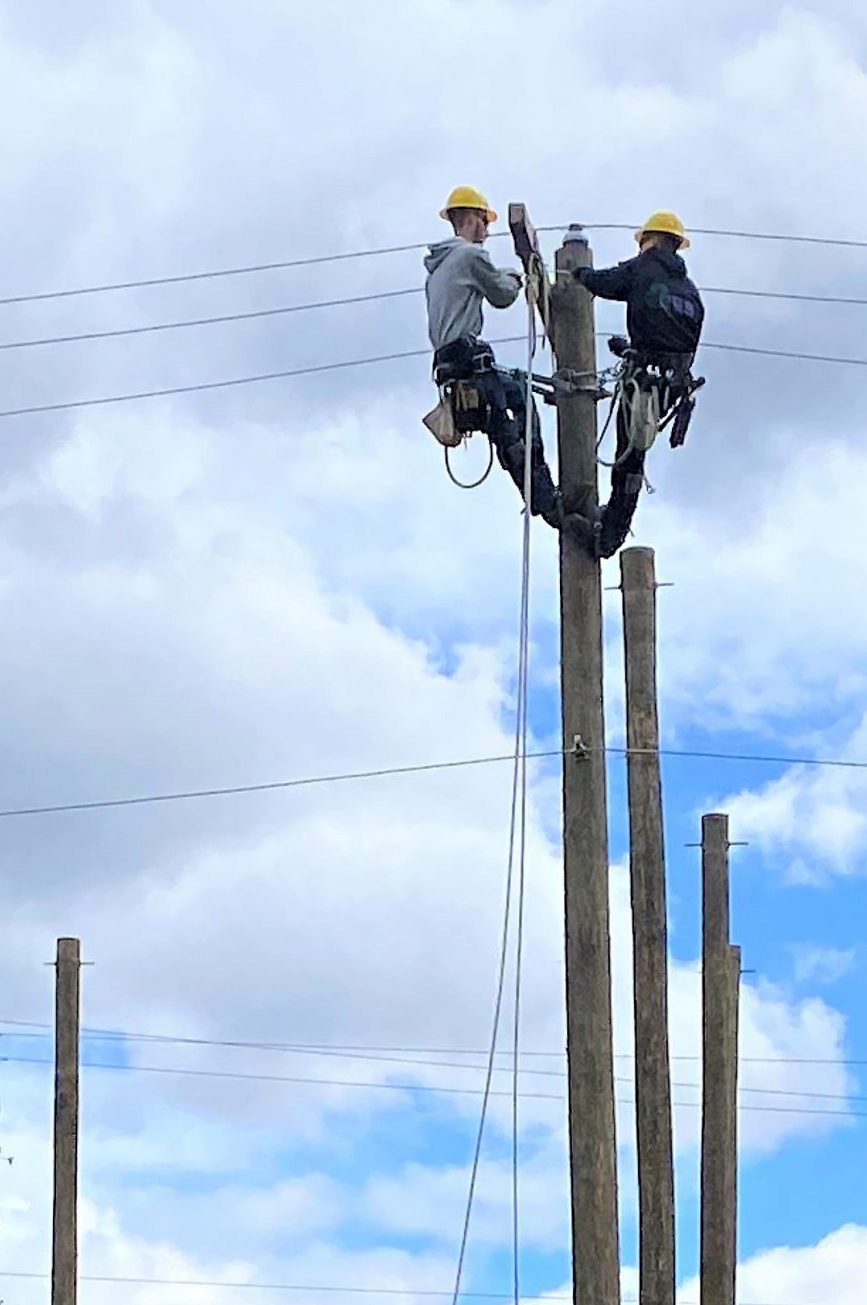
Poles deserve special attention because most aerial builds depend on them. The FCC adopted one-touch make-ready rules to speed up pole access. In its announcement of the reform, the agency said that "access to poles must be swift, predictable, safe, and affordable." The FCC also noted that, by some estimates, the change alone could result in about 8.3 million incremental premises passed with fiber and about $12.6 billion in incremental fiber capital expenditures.
Faster rules do not remove the need for engineering review. The process does not apply to more complicated attachments or to work above the communications space of a pole. Each pole still needs a check. A budget built without pole data leaves owners exposed.
What a Telecom Network Feasibility Study Covers
A Telecom Network Feasibility Study evaluates project viability, anticipated cost, schedule, and construction and make-ready risk. It also looks at long-term maintenance needs. It is an early-stage review of a proposed fiber build, conducted before detailed design and construction begin. Engineers assess the outside plant route, pole condition and ownership, make-ready requirements, permitting and right-of-way needs, and overall construction risk.
Celerity’s studies also recommend an optimal route and construction methodology, and they include make-ready assessments that estimate the work and charges required to prepare each pole for a new attachment. The study produces cost, schedule, and risk estimates that allow owners to set a realistic fiber build budget and make sound financial decisions before committing to design and construction. Key study highlights may include:
OSP Route Review
Outside plant (OSP) engineers review the proposed route first. They map strand and conduit, mark aerial and underground segments, and flag road crossings, bridges, rail lines, and water. Each segment receives a build method and a cost range. This step replaces the per-mile guess with a route-specific number.
Pole Condition, Make-Ready, and Replacement
Engineers check pole height, loading, and available space. They identify poles that need make-ready work and poles that need replacement. Experienced OSP engineers know that pole condition often drives cost more than route length does. The count of poles that need work can move a budget more than any other input.
Permits and Right-of-Way
The team lists every agency and pole owner involved. It records application requirements, fees, and review times. Early permit planning protects the schedule, and a protected schedule protects the budget. Delays add labor standby, rework, and financing costs.
Engineering and Splicing Estimates
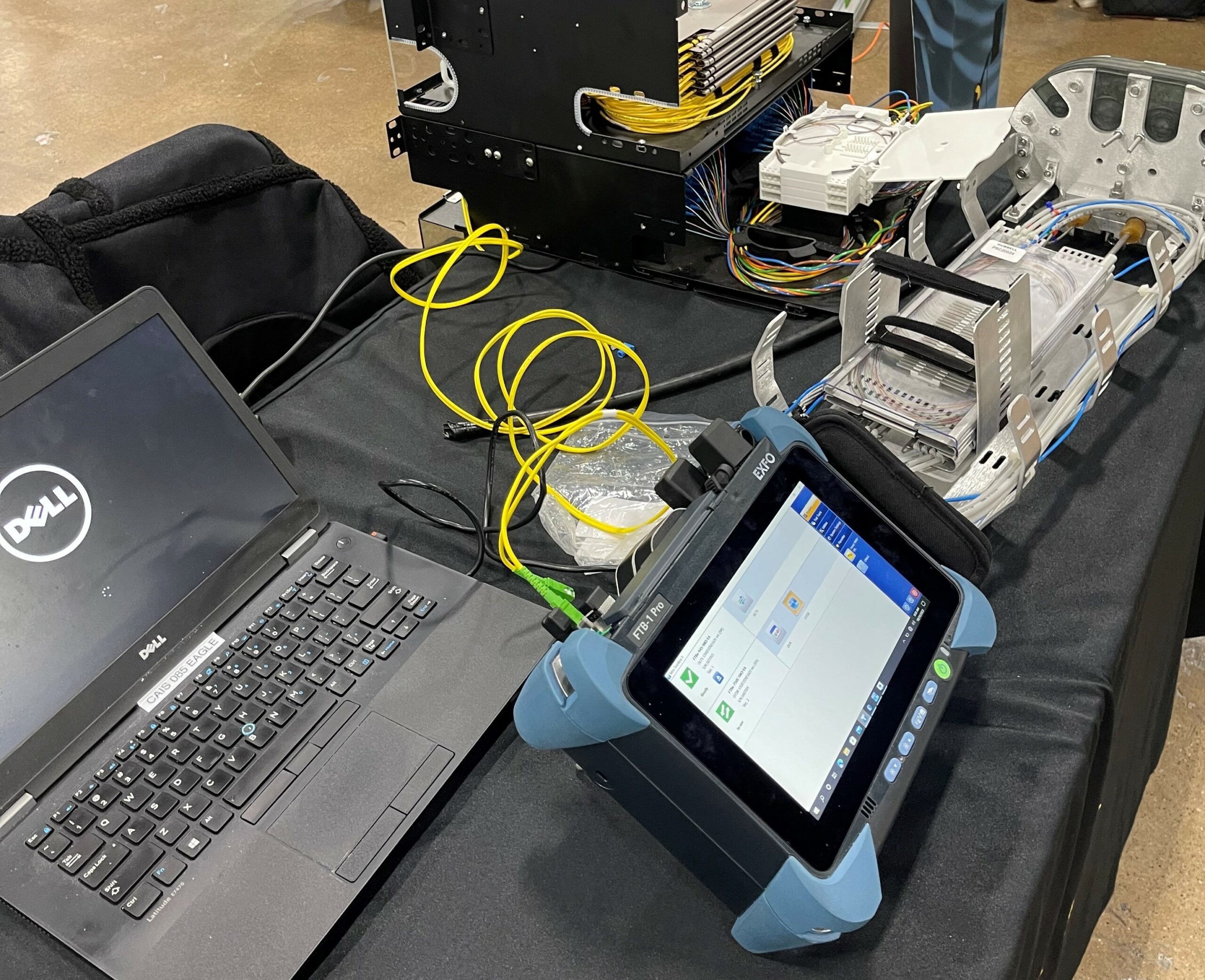
The study also estimates design hours, drawings, and closeout documentation. It estimates splice counts, splice types, and testing needs. Fusion splicing and OTDR testing add real labor, so owners should price them before construction starts.
How a Feasibility Study Turns Unknowns Into a Fiber Build Budget
A good study converts open questions into line items. The process follows a clear order:
- Define the scope. The team confirms the goals, the service area, and the desktop route.
- Verify in the field. Crews inspect poles, conduit paths, and obstacles along the route.
- Estimate the costs. Engineers price make-ready, pole replacement, permits, construction, and splicing.
- Report and recommend. The owner receives budget ranges, risks, and a proposed schedule.
The ROI of Studying Before You Build
A study costs far less than a major change order. It also gives owners several advantages:
- Fewer change orders. Known pole and permit issues do not appear as surprises mid-build.
- Stronger funding applications. Lenders and grant reviewers want credible numbers. The U.S. Government Accountability Office reports that the BEAD program exceeds $42 billion, and some federal broadband programs expect to finish builds in 2030 and beyond. Applicants with sound cost data stand out in that field.
- Better scheduling. Permit and make-ready timelines feed the construction plan from day one.
- A clear go or no-go decision. Sometimes a study shows that a route costs too much. Owners can then choose a new path before they spend design and construction dollars.
Owners also gain a shared baseline. Finance, operations, and engineering teams can work from the same numbers. That alignment reduces debate and speeds approvals.
Start With the Right Study
A fiber build budget is only as strong as the data behind it. Celerity supports projects from pre-planning through engineering, permitting, construction, splicing, testing, and closeout. Its well-planned engineering services include OSP engineering, make-ready assessments, and pole-attachment design. Its aerial construction team handles strand-and-lash work, make-ready construction, and pole transfers. You can also review the full list of Celerity services. Ready to define your budget? Request a Telecom Network Feasibility Study before your next fiber build, and move forward with numbers you can trust.
—--
FAQs
What is included in a telecom network feasibility study?
- A study typically includes route review, pole and conduit assessment, make-ready and pole replacement estimates, permit and right-of-way planning, engineering and splicing estimates, and a schedule. It also covers risks and long-term maintenance needs.
What is make-ready work?
- Make-ready is the modification or replacement of a utility pole, or of the lines and equipment on it, to make room for additional facilities. The FCC defines make-ready in its pole attachment rules.
How long does a feasibility study take?
- Timelines vary with route length, field access, and how fast pole owners respond. A short route may take a few weeks. A large regional build may take longer.
Does a feasibility study replace final engineering?
- No. The study sets scope, budget ranges, and risks. Final engineering follows with detailed drawings, pole-attachment design, and permit packages.
Who needs a telecom network feasibility study?
- Telecom operators, electric utilities, municipalities, universities, and healthcare organizations all benefit. Any owner who plans a new fiber route, a large expansion, or a grant-funded build should consider one.