November 18, 2026

Why a Telecom Network Feasibility Study Is Important to Define Your Fiber Build Budget

A fiber project looks simple on a map. A line runs from point A to point B, and a budget follows. Then the field crew arrives. Poles fail inspection. Utilities request make-ready work. A permit stalls at a county office. The budget that looked firm in the boardroom starts to move.

This pattern is common, and owners can prevent much of it. A telecom network feasibility study gives decision makers a clear view of cost, schedule, and risk before design and construction begin. We explain what the study covers, how it shapes a fiber build budget, and why owners who skip it often pay more later.

Why Fiber Budgets Break Before Construction Starts

Many early fiber budgets rely on a per-mile average. Averages hide the details that drive real cost. Terrain changes from one mile to the next. Pole ownership changes from one utility to another. One road offers open strand space, and the next road has crowded poles that need work.

Three areas cause most of the surprises:

  • Make-ready costs. Crews may need to move existing wires or modify poles before a new cable can attach.
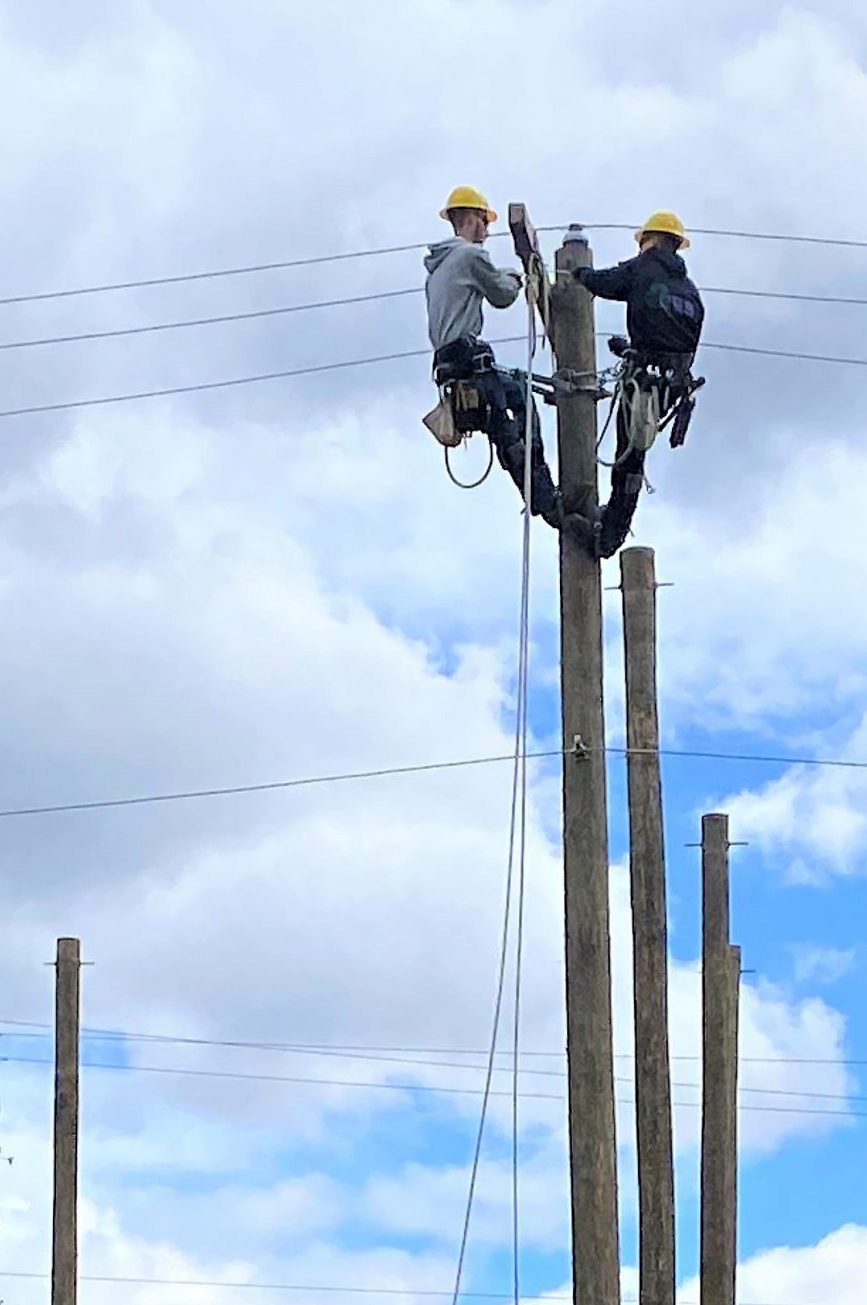
  • Pole replacement. A pole that fails a loading review needs replacement, and the new attacher frequently carries that cost.
  • Permits and right-of-way. Railroad, state road, and municipal permits each bring fees and review timelines.

Poles deserve special attention because most aerial builds depend on them. The FCC adopted one-touch make-ready rules to speed up pole access. In its announcement of the reform, the agency said that "access to poles must be swift, predictable, safe, and affordable." The FCC also noted that, by some estimates, the change alone could result in about 8.3 million incremental premises passed with fiber and about $12.6 billion in incremental fiber capital expenditures.

Faster rules do not remove the need for engineering review. The process does not apply to more complicated attachments or to work above the communications space of a pole. Each pole still needs a check. A budget built without pole data leaves owners exposed.

What a Telecom Network Feasibility Study Covers

A Telecom Network Feasibility Study evaluates project viability, anticipated cost, schedule, and construction and make-ready risk. It also looks at long-term maintenance needs. It is an early-stage review of a proposed fiber build, conducted before detailed design and construction begin. Engineers assess the outside plant route, pole condition and ownership, make-ready requirements, permitting and right-of-way needs, and overall construction risk. 

Celerity’s studies also recommend an optimal route and construction methodology, and they include make-ready assessments that estimate the work and charges required to prepare each pole for a new attachment. The study produces cost, schedule, and risk estimates that allow owners to set a realistic fiber build budget and make sound financial decisions before committing to design and construction. Key study highlights may include:

OSP Route Review

Outside plant (OSP) engineers review the proposed route first. They map strand and conduit, mark aerial and underground segments, and flag road crossings, bridges, rail lines, and water. Each segment receives a build method and a cost range. This step replaces the per-mile guess with a route-specific number.

Pole Condition, Make-Ready, and Replacement

Engineers check pole height, loading, and available space. They identify poles that need make-ready work and poles that need replacement. Experienced OSP engineers know that pole condition often drives cost more than route length does. The count of poles that need work can move a budget more than any other input.

Permits and Right-of-Way

The team lists every agency and pole owner involved. It records application requirements, fees, and review times. Early permit planning protects the schedule, and a protected schedule protects the budget. Delays add labor standby, rework, and financing costs.

Engineering and Splicing Estimates

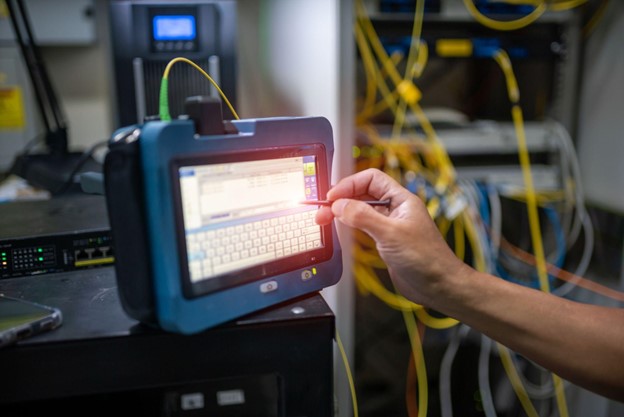
The study also estimates design hours, drawings, and closeout documentation. It estimates splice counts, splice types, and testing needs. Fusion splicing and OTDR testing add real labor, so owners should price them before construction starts.

How a Feasibility Study Turns Unknowns Into a Fiber Build Budget

A good study converts open questions into line items. The process follows a clear order:

  1. Define the scope. The team confirms the goals, the service area, and the desktop route.
  2. Verify in the field. Crews inspect poles, conduit paths, and obstacles along the route.
  3. Estimate the costs. Engineers price make-ready, pole replacement, permits, construction, and splicing.
  4. Report and recommend. The owner receives budget ranges, risks, and a proposed schedule.

The ROI of Studying Before You Build

A study costs far less than a major change order. It also gives owners several advantages:

  • Fewer change orders. Known pole and permit issues do not appear as surprises mid-build.
  • Stronger funding applications. Lenders and grant reviewers want credible numbers. The U.S. Government Accountability Office reports that the BEAD program exceeds $42 billion, and some federal broadband programs expect to finish builds in 2030 and beyond. Applicants with sound cost data stand out in that field.
  • Better scheduling. Permit and make-ready timelines feed the construction plan from day one.
  • A clear go or no-go decision. Sometimes a study shows that a route costs too much. Owners can then choose a new path before they spend design and construction dollars.

Owners also gain a shared baseline. Finance, operations, and engineering teams can work from the same numbers. That alignment reduces debate and speeds approvals.

Start With the Right Study

A fiber build budget is only as strong as the data behind it. Celerity supports projects from pre-planning through engineering, permitting, construction, splicing, testing, and closeout. Its well-planned engineering services include OSP engineering, make-ready assessments, and pole-attachment design. Its aerial construction team handles strand-and-lash work, make-ready construction, and pole transfers. You can also review the full list of Celerity services. Ready to define your budget? Request a Telecom Network Feasibility Study before your next fiber build, and move forward with numbers you can trust.

—--

FAQs

What is included in a telecom network feasibility study?

  • A study typically includes route review, pole and conduit assessment, make-ready and pole replacement estimates, permit and right-of-way planning, engineering and splicing estimates, and a schedule. It also covers risks and long-term maintenance needs.

What is make-ready work?

  • Make-ready is the modification or replacement of a utility pole, or of the lines and equipment on it, to make room for additional facilities. The FCC defines make-ready in its pole attachment rules.

How long does a feasibility study take?

  • Timelines vary with route length, field access, and how fast pole owners respond. A short route may take a few weeks. A large regional build may take longer.

Does a feasibility study replace final engineering?

  • No. The study sets scope, budget ranges, and risks. Final engineering follows with detailed drawings, pole-attachment design, and permit packages.

Who needs a telecom network feasibility study?

  • Telecom operators, electric utilities, municipalities, universities, and healthcare organizations all benefit. Any owner who plans a new fiber route, a large expansion, or a grant-funded build should consider one.
October 14, 2026

The Key Phases of OSP Engineering

Fiber optic networks do not build themselves. Before a single cable gets strung or a trench gets dug, months of careful planning happen behind the scenes. This planning process is called OSP engineering, and it determines whether your telecommunications project stays on budget, on schedule, and built to spec.

Understanding the key phases of OSP engineering helps project owners, utilities, and telecommunications providers make smarter decisions. Whether you are expanding broadband coverage or upgrading existing infrastructure, knowing what happens at each stage keeps your project moving forward.

What Is OSP Engineering?

OSP refers to all the telecommunications infrastructure that exists outside of buildings. This includes fiber optic cables, conduit, utility poles, splice closures, distribution hubs, pedestals, and every foot of right-of-way those assets occupy. Think of OSP engineering as the blueprint phase for your fiber network. Just as an architect designs a building before construction begins, OSP engineers design the network before crews start installing cables and equipment. In other words, OSP engineering is the discipline of designing, surveying, documenting, and permitting this infrastructure. It creates the technical foundation that construction crews follow in the field.

The scope of OSP work goes far beyond drawing lines on a map. A complete OSP engineering engagement includes route analysis, field surveys, CAD plan set production, GIS geodatabase development, permitting packages, make-ready coordination, and post-construction as-built documentation.

U.S. broadband providers invested $89.6 billion in communications infrastructure in 2024, according to USTelecom's 2024 Broadband Capex Report, with fiber network expansion among the primary destinations for that capital. In addition, nearly half of network operators surveyed by the Fiber Broadband Association reported material project delays in 2025, and projects that rush planning face permit rejections, schedule slippage, and construction rework.

Phase 1: High-Level Design (HLD)

High-Level Design is the planning phase. This is where engineers establish the big picture before diving into details. During HLD, the engineering team defines the network architecture. They determine where the fiber will go, what kind of network it will be, where nodes will sit, and how the distribution system will work. The team analyzes aerial imagery, publicly available GIS data, and preliminary field reconnaissance to make these decisions.

What HLD Produces

The HLD phase delivers several key outputs:

  • Route maps showing the proposed fiber path
  • Node placement diagrams identifying where equipment will be located
  • Architecture schematics outlining the network structure
  • Preliminary cost estimates for budgeting purposes
  • Serving area boundaries defining coverage zones

At this stage, cost estimates typically carry a margin of plus or minus 25%. That margin tightens significantly once field survey data confirms actual conditions on the ground.

Why HLD Matters

HLD sets the direction for everything that follows. A well-executed HLD identifies potential problems early, when they are cheap to fix. Route conflicts, permitting challenges, and capacity constraints all surface during this phase. Projects that rush through HLD often discover problems during construction, when changes cost ten times more to address. Taking time to get HLD right saves money and headaches down the road.

In our work with telecommunications clients, we have seen projects stall for months because HLD did not account for railroad crossings or utility conflicts. These issues are much easier to resolve on paper than in the field.

Phase 2: Low-Level Design (LLD)

Low-Level Design is where the project becomes construction-ready. LLD translates the HLD architecture into specific engineering documents that field crews can follow. This phase requires actual field survey data. Engineers cannot produce legitimate pole schedules or splice diagrams from aerial imagery alone. Someone has to walk the route, record pole IDs and heights, collect GPS coordinates, document existing attachments, and capture all of that information in a structured format.

What LLD Produces

The LLD phase delivers detailed construction documents:

  • Pole schedules with verified heights, clearances, and attachment specifications
  • Splice diagrams showing fiber assignments at every closure
  • AutoCAD plan sheets at construction scale (typically 1 inch equals 50 or 100 feet)
  • Bills of materials down to the hardware count
  • Permit packages for state DOT, railroad crossings, and municipal right-of-way
  • Make-ready documentation for pole modifications

The Critical Role of Field Survey

Field survey, sometimes called OSP fielding, connects HLD to LLD. Survey crews walk the proposed route and collect the data that makes construction documents accurate.

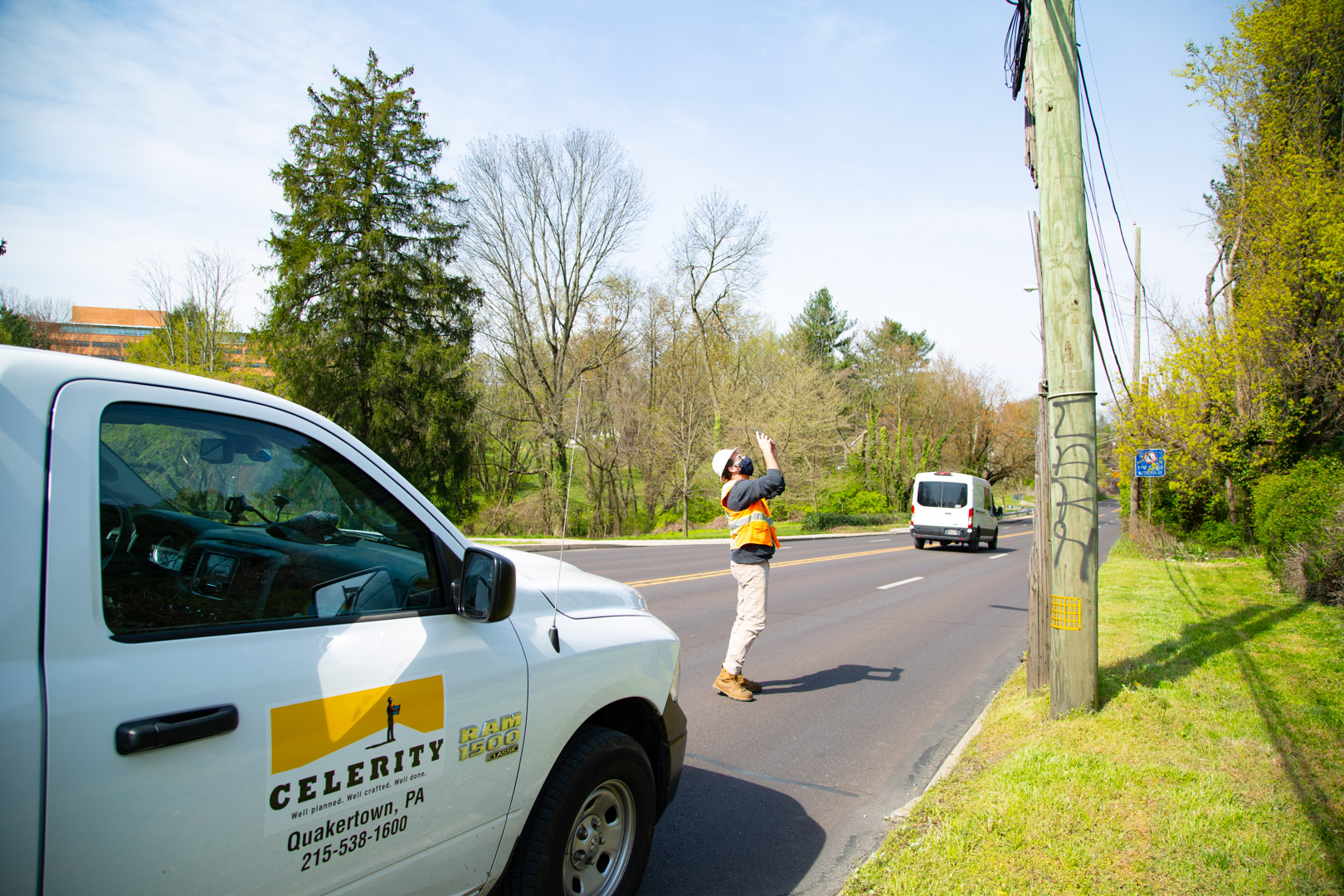
A survey crew records pole IDs and heights with laser measurement tools. They collect GPS coordinates with sub-meter accuracy. They document existing attachments and clearances. They identify obstacles and route deviations. All of this information feeds directly into the engineering documents.

Field survey data accuracy determines everything downstream. Wrong pole heights, missing attachment records, or inaccurate GPS coordinates cascade through the entire project. What looks like a construction problem often traces back to a data problem that should have been caught during the survey.

Phase 3: Construction Handoff

Construction Handoff is the transition point where engineering work transfers to field crews. This phase determines whether all that careful planning actually translates into successful construction.

A proper construction handoff is not just handing over a stack of documents. It is a controlled process that ensures crews have everything they need to build the network as designed.

What a Construction Handoff Package Includes

A complete handoff package contains:

  • Approved LLD drawings with the current revision status
  • Pole schedules with all specifications verified
  • Splice plans showing fiber assignments
  • Permits tied to specific route segments
  • Make-ready completion records confirming pole modifications are done
  • Bills of materials matched to each work area
  • Route specifications with any special conditions noted

Best Practices for Construction Handoff

The most successful projects treat handoff as a process, not an event. Here is what that looks like in practice:

  • Define scope and release boundaries early. Identify the exact route limits, structures, drawing issue, and approval status for each handoff package. Crews need to know what they are authorized to build and what remains on hold.
  • Tie permitting to design objects. Connect permits, owner comments, inspections, and restrictions to the specific route segments they affect. This keeps make-ready, construction, and closeout traceable.
  • Use a staged handoff model. Release the job in phases or work areas instead of waiting for one final turnover. This keeps construction moving while engineering completes remaining sections.
  • Collect documentation progressively. Do not wait until construction ends to compile as-built drawings, test reports, and inspection records. Gathering this information during the job catches gaps while they can still be fixed.

After Construction: As-Built Documentation

The OSP engineering team's job does not end when construction starts. As-built documentation updates plan sheets to reflect what was actually built. GIS geodatabases get updated. Redlines get reconciled. This final documentation step often gets cut when projects run over schedule. That is a mistake. Your network's long-term maintainability depends on accurate as-built records. Five years from now, when someone needs to find a splice point or trace a cable route, they will rely on those records.

Why Each Phase Matters for Your Fiber Project

Each phase of OSP engineering builds on the one before it. Skip a step or rush through it, and problems multiply downstream.

  • HLD without proper planning leads to route conflicts, permit rejections, and cost overruns when field conditions differ from assumptions.
  • LLD without accurate field data produces construction documents that do not match reality. Crews waste time hunting for poles that are not where drawings say they should be.
  • Construction handoff without proper documentation leaves crews guessing about specifications, permits, and material requirements. That leads to rework, delays, and quality issues.

The projects that move fastest through construction are the ones that invested time in thorough engineering upfront. They identified problems on paper, resolved conflicts before mobilization, and gave crews clear documentation to follow.

Ready to discuss your OSP engineering project? Reach out to Celerity to learn how our OSP engineering team can help you plan, design, and build with confidence.

—FAQs About OSP Engineering

What is the difference between HLD and LLD in fiber optic design?

  • High-Level Design (HLD) is the planning phase that establishes network architecture, route corridors, node placement, and preliminary cost estimates. Low-Level Design (LLD) converts the HLD into construction-ready documents with pole-by-pole specifications, splice diagrams, attachment heights, and detailed bills of materials. HLD answers "what are we building?" while LLD answers "exactly how do we build it?"

What is included in a construction handoff package?

  • A construction handoff package includes approved LLD drawings, pole schedules with verified specifications, splice plans showing fiber assignments, all required permits, make-ready completion records, bills of materials, and route specifications with any special conditions. This package gives field crews everything they need to build the network as designed.

How long does OSP engineering take for a fiber project?

  • Timeline depends on route miles, terrain complexity, and existing plant data. A straightforward rural aerial build of 20 to 30 miles with flat terrain and a single pole owner might complete HLD through LLD in 10 to 14 weeks. Projects with mountain terrain, multiple pole owners, railroad crossings, or complex permitting requirements can take 6 to 9 months.

What services does Celerity offer for OSP engineering?

  • Celerity provides comprehensive OSP engineering services including strand and conduit mapping, make-ready assessments, pole application processing, permitting, and construction documentation. Celerity serves telecommunications companies, electric utilities, educational institutions, and government organizations with end-to-end fiber infrastructure solutions from front-end engineering through closeout documentation.

Why is field survey data so important for OSP engineering?

  • Field survey data provides the ground truth that makes construction documents accurate. Survey crews verify pole heights, record existing attachments, collect GPS coordinates, and identify obstacles that aerial imagery cannot capture. Inaccurate field data leads to construction documents that do not match reality, causing delays, rework, and cost overruns.

What happens if OSP engineering is rushed or incomplete?

  • Rushing OSP engineering creates problems that multiply during construction. Incomplete HLD leads to route conflicts and permit rejections. Inaccurate LLD produces construction documents that crews cannot follow. Missing handoff documentation leaves field teams guessing about specifications. Projects that invest in thorough engineering upfront move faster through construction and avoid costly rework.

Contact Us

Name

1 2 … 40
footer-logo

Subscribe to our newsletter to stay Well Connected with Celerity Integrated Services, Inc.

Contact Us

3500 AM Drive,
Quakertown, PA 18951

P 215 538 1600
F 215 538 1602

info@nextmiletech.com

proview

© 2025 Celerity Integrated Services. Privacy Policy. Site by Smith & Howell Design Co.

Back to top Arrow